The story behind the print
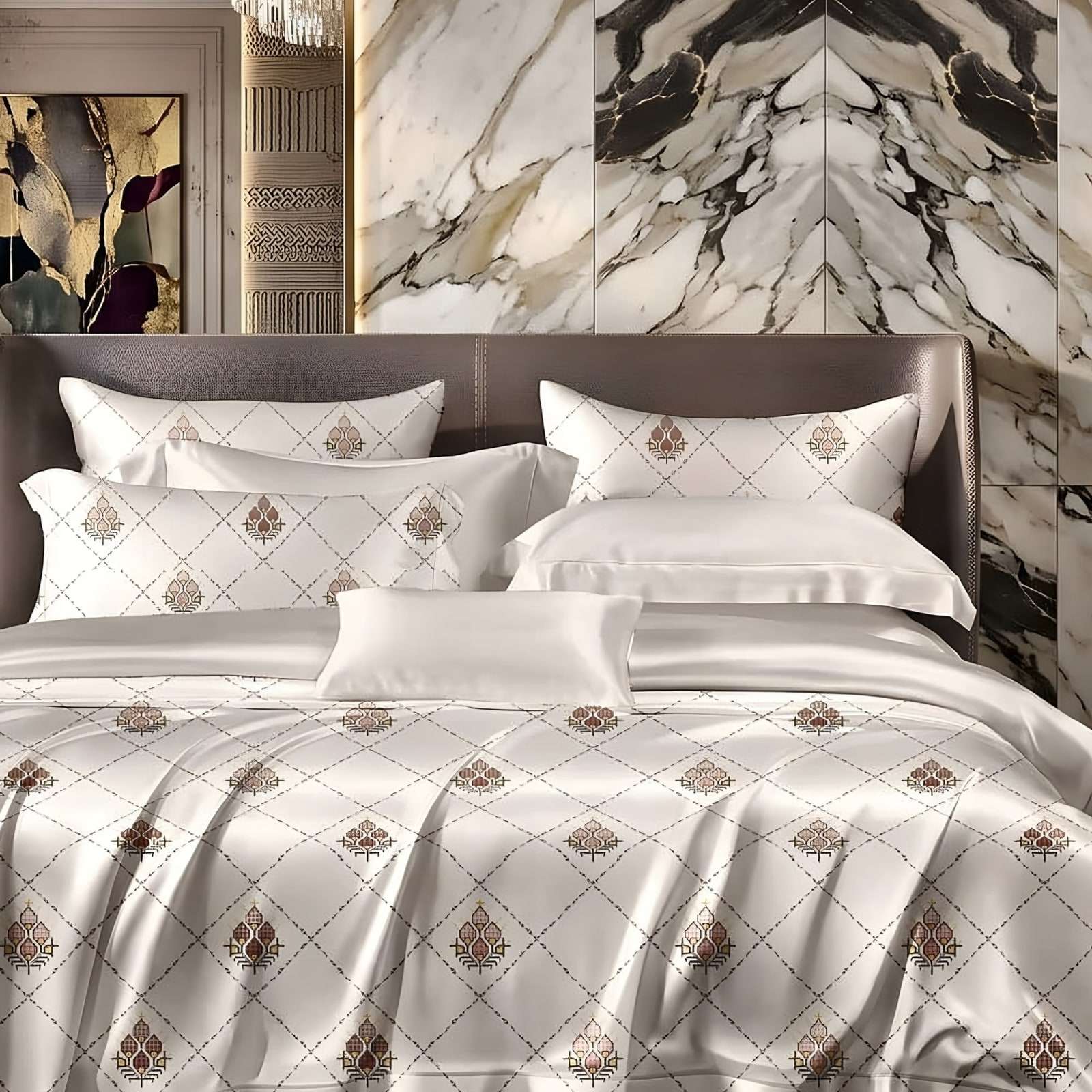
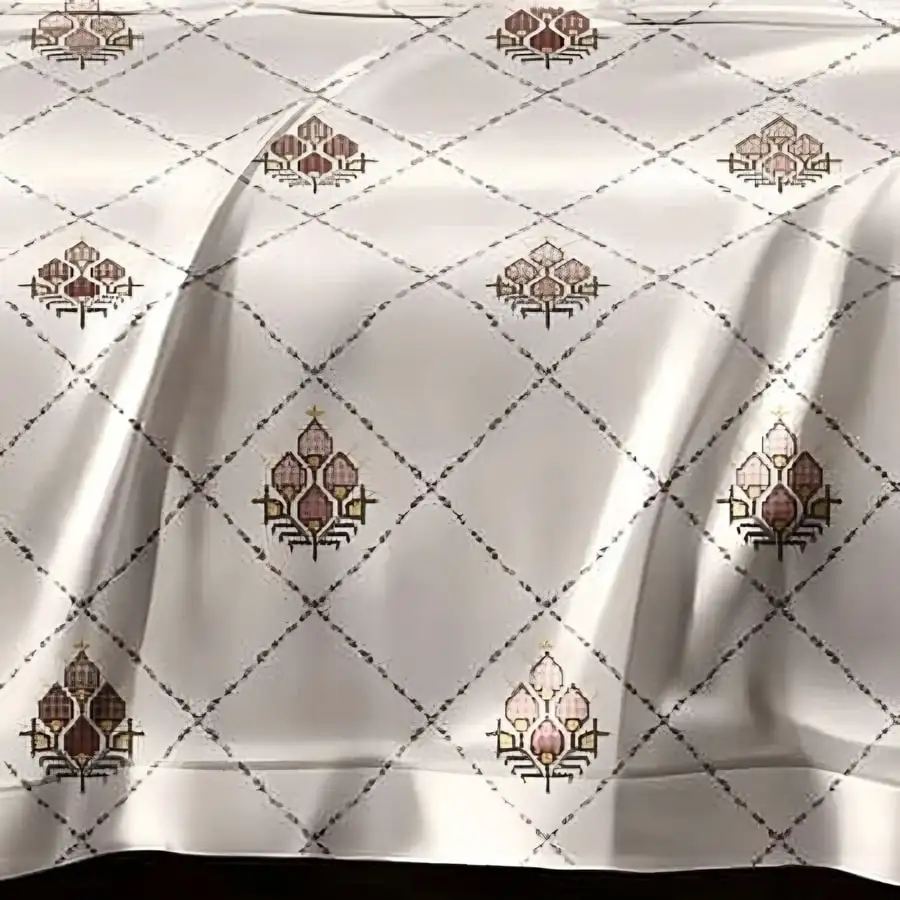
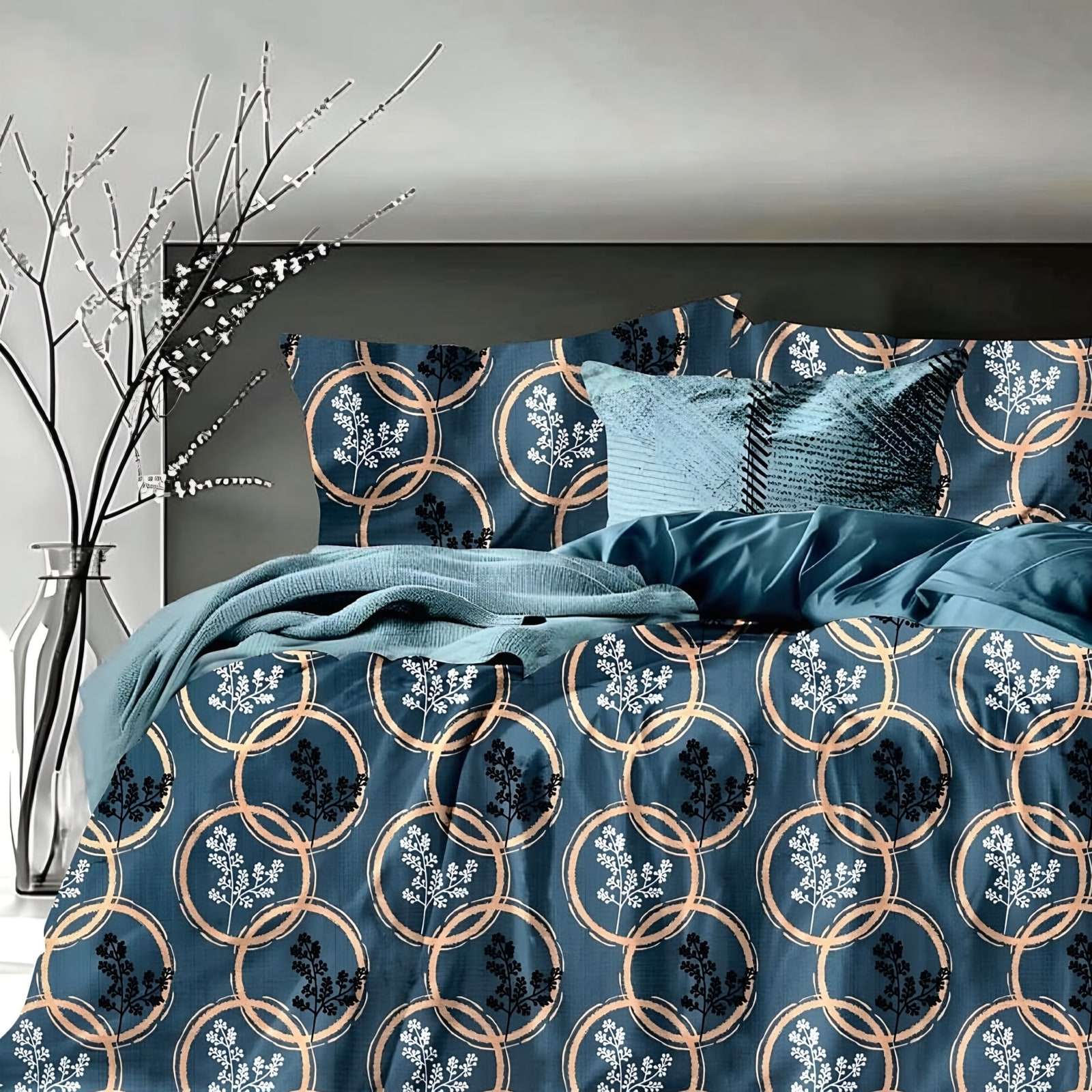
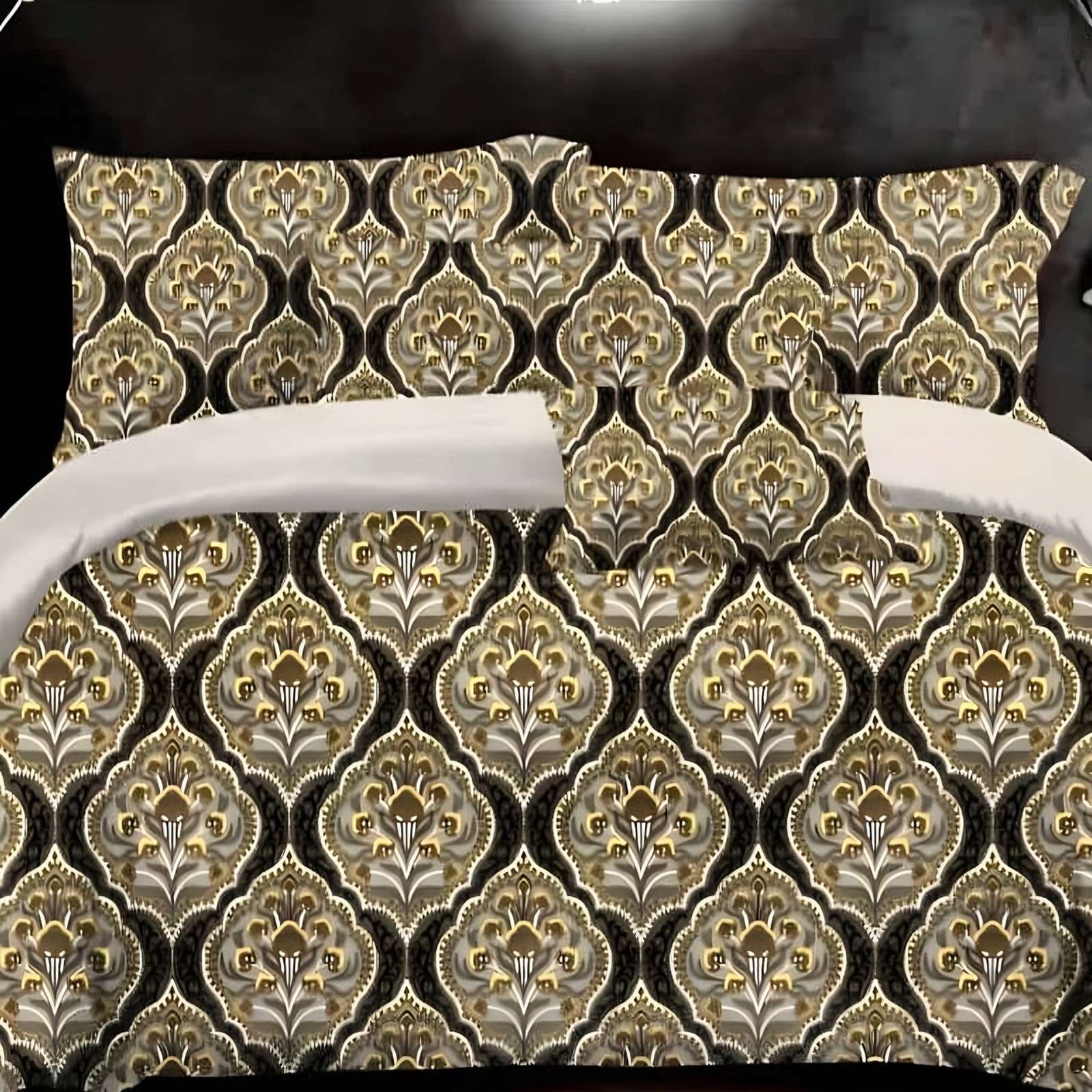
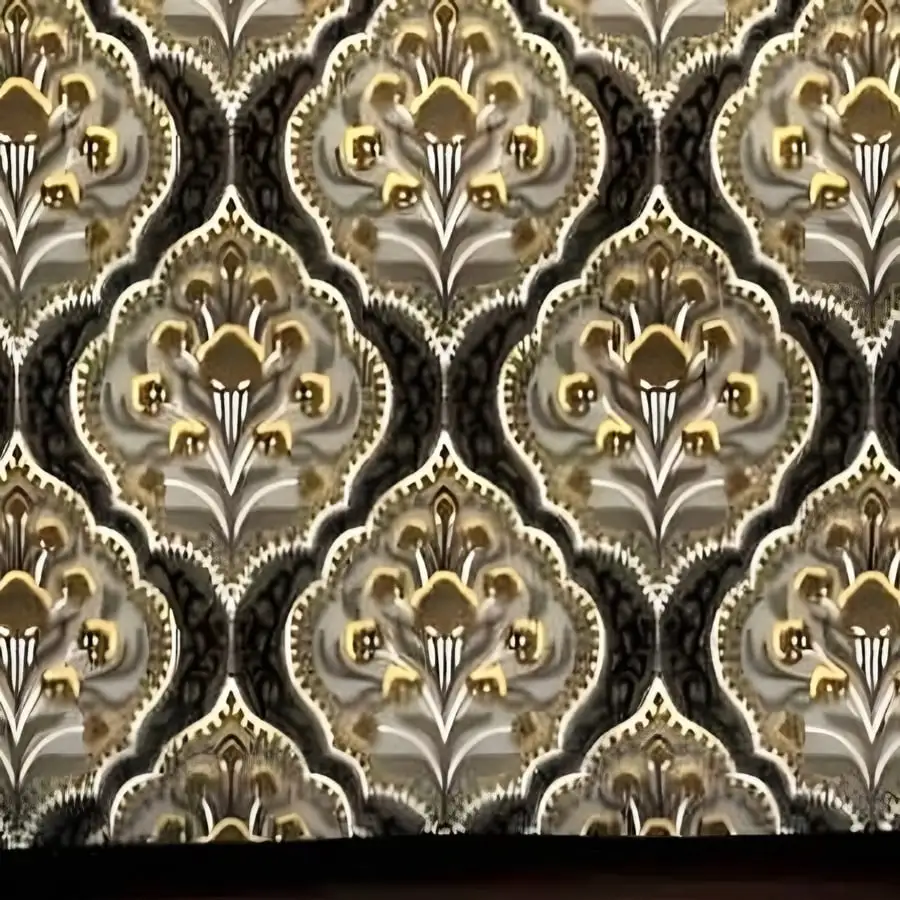
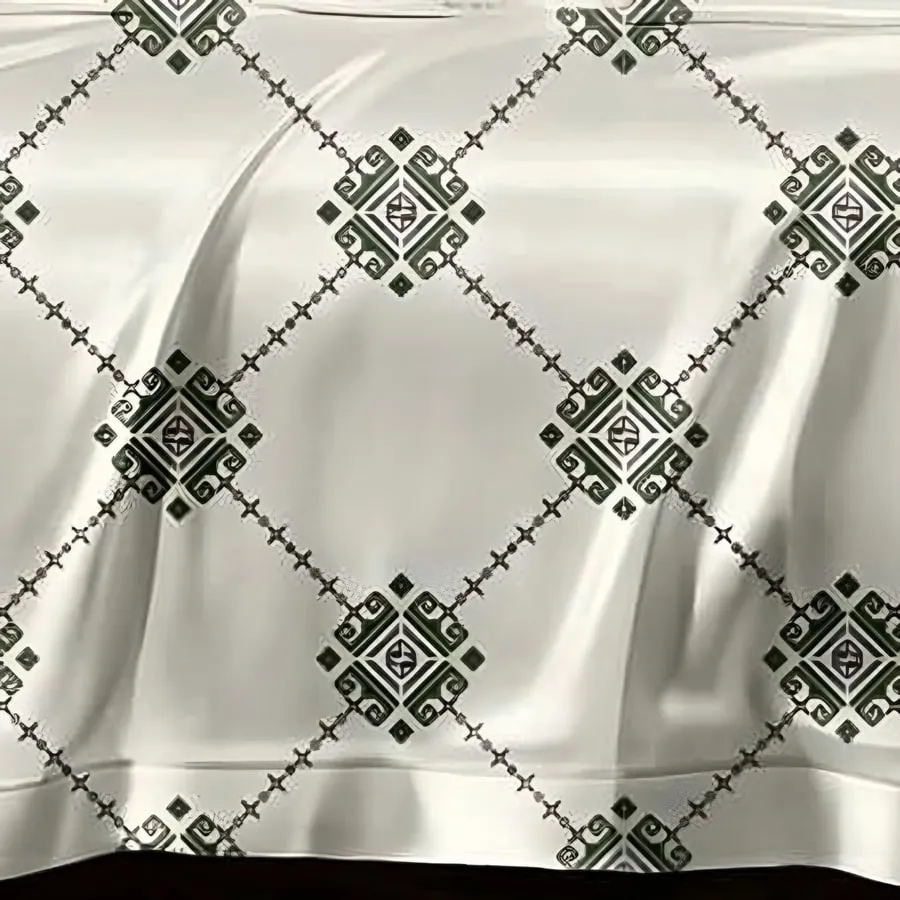
Jaal — the lattice print
- Origin:
- Mughal-era decorative arts
- Since:
- 16th–17th century
A net of interlocking shapes, borrowed from the carved stone screens of Mughal architecture and woven into Indian textiles ever since.
Read the full storyThe story behind the print
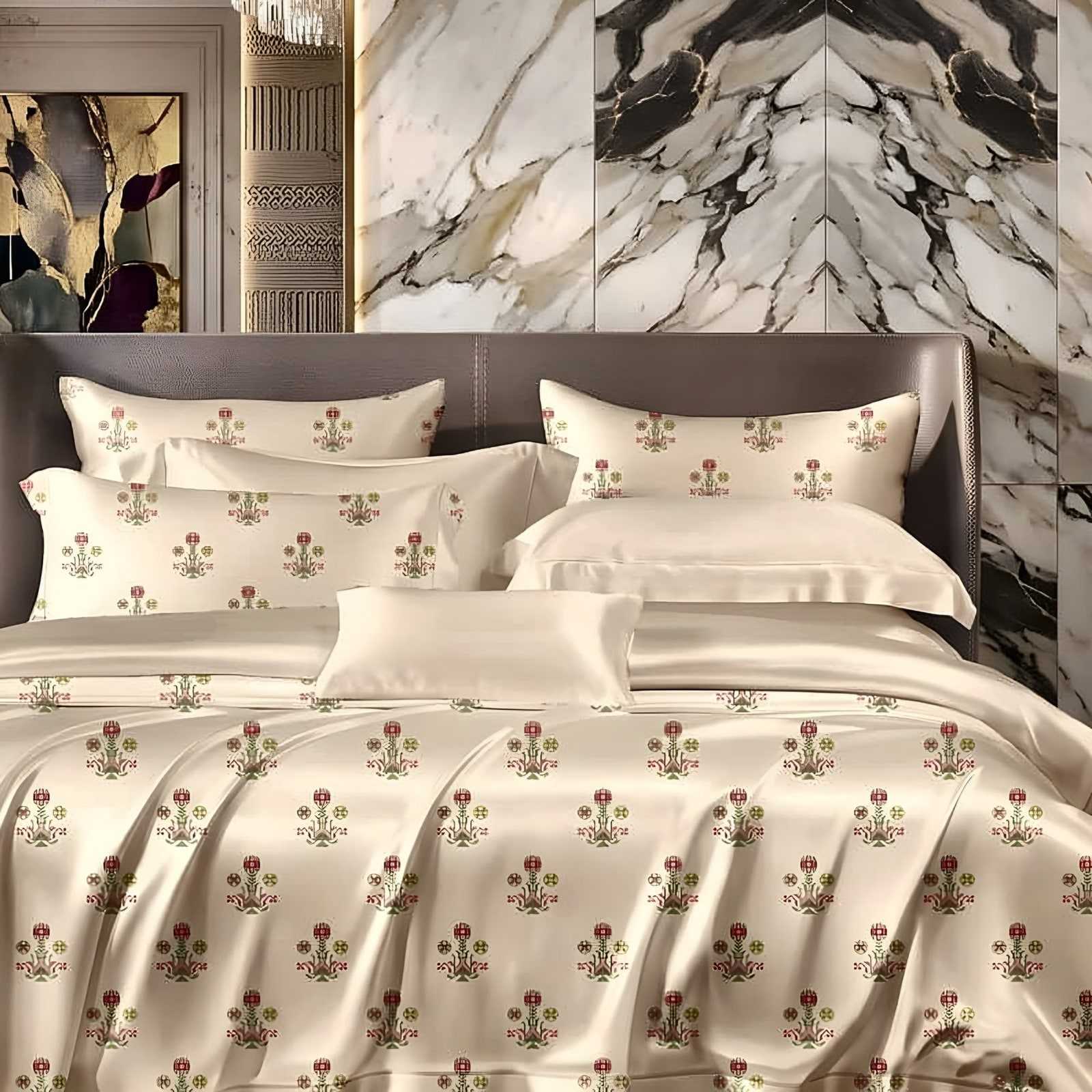
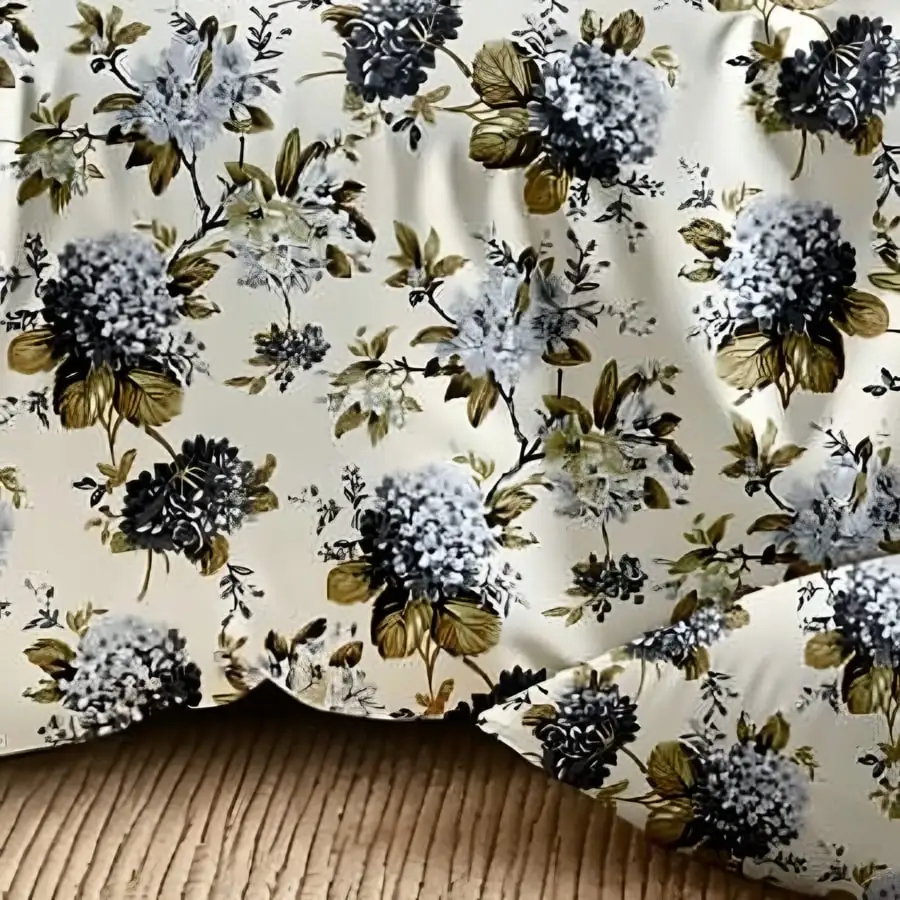
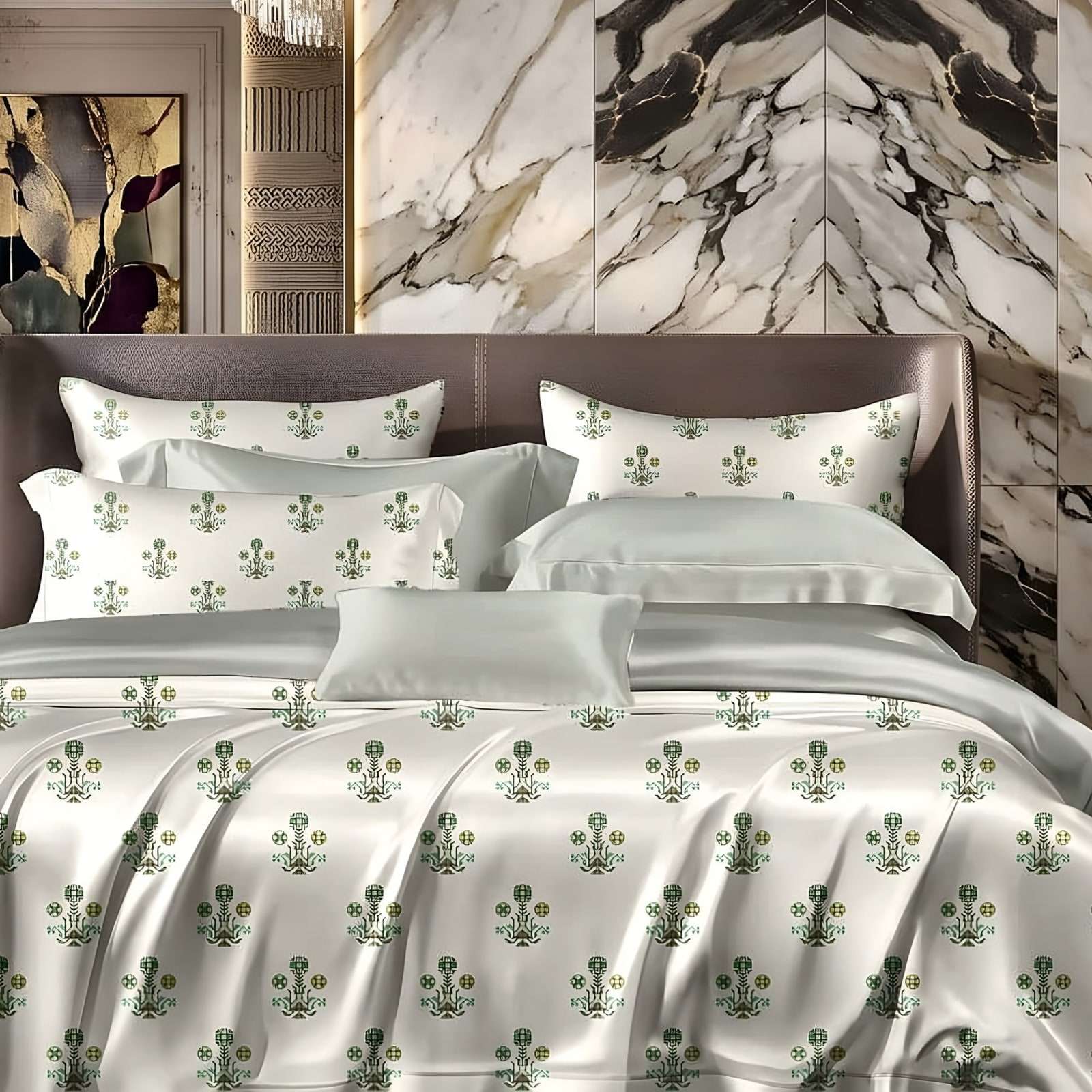
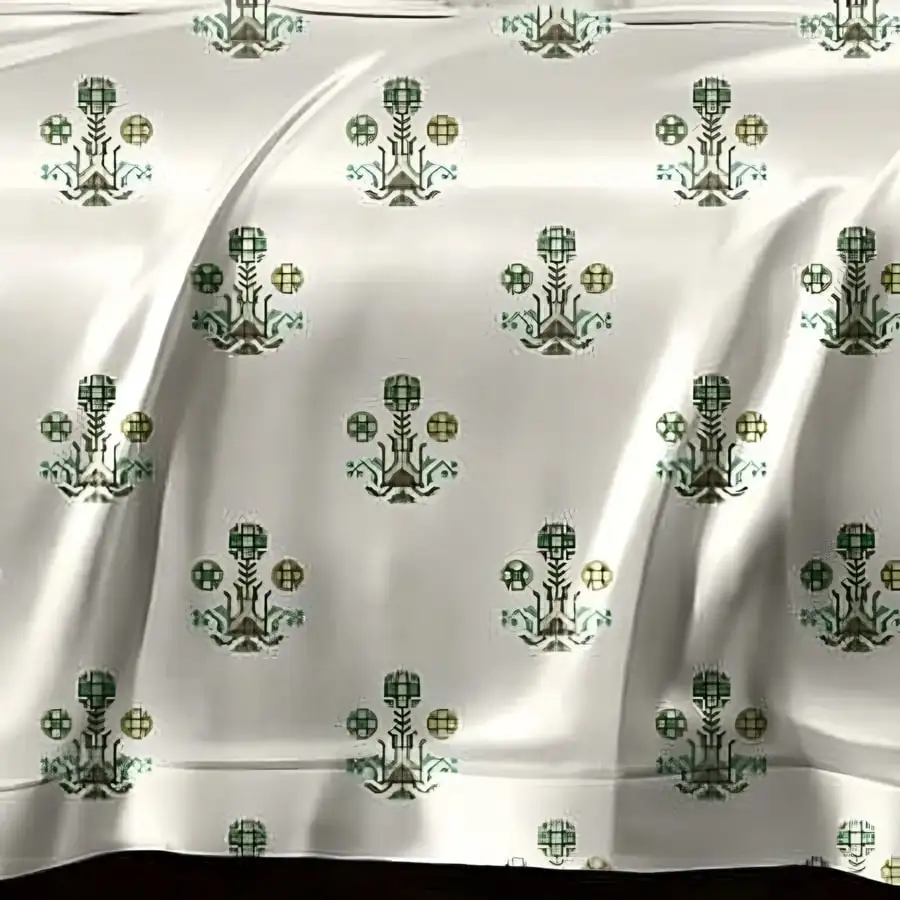
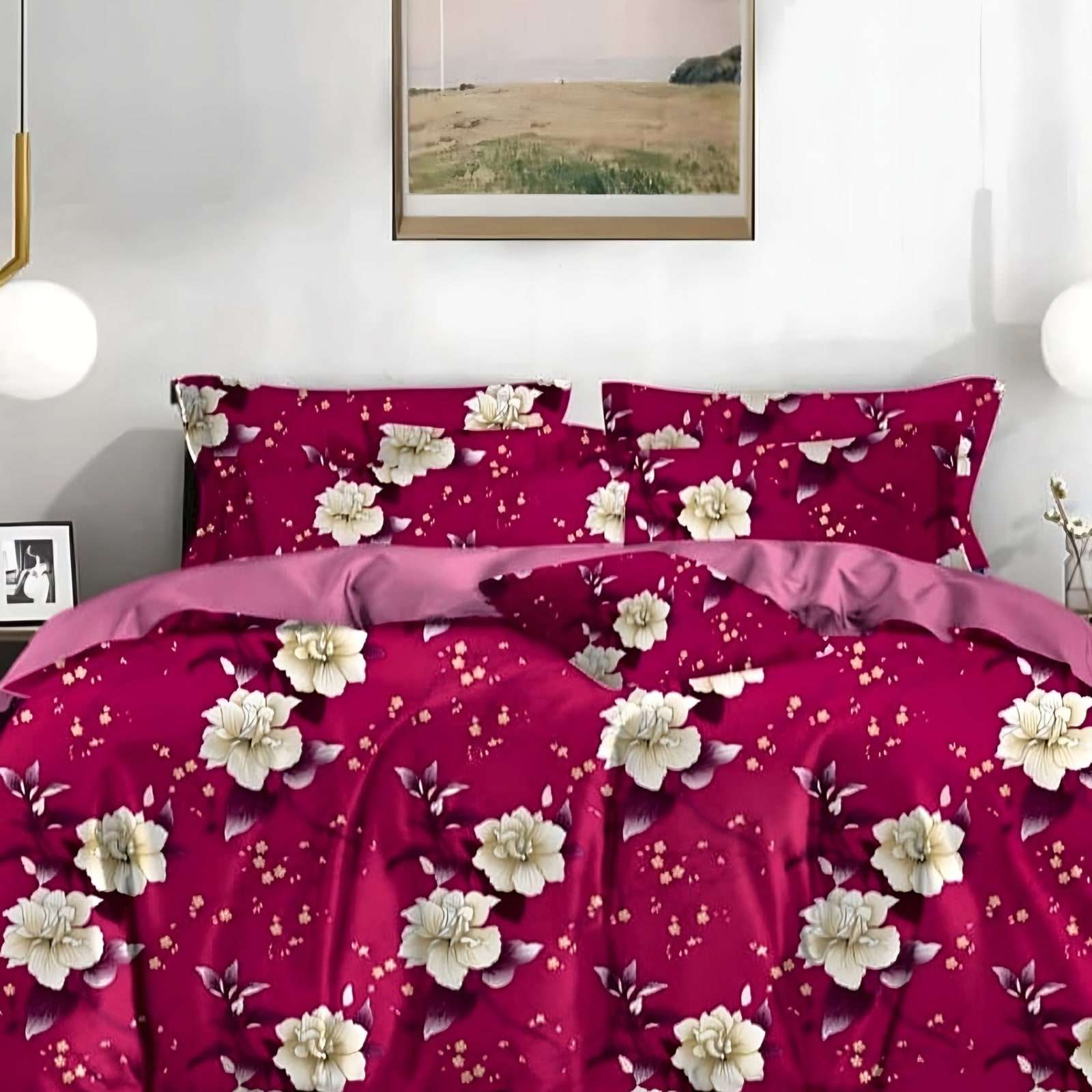
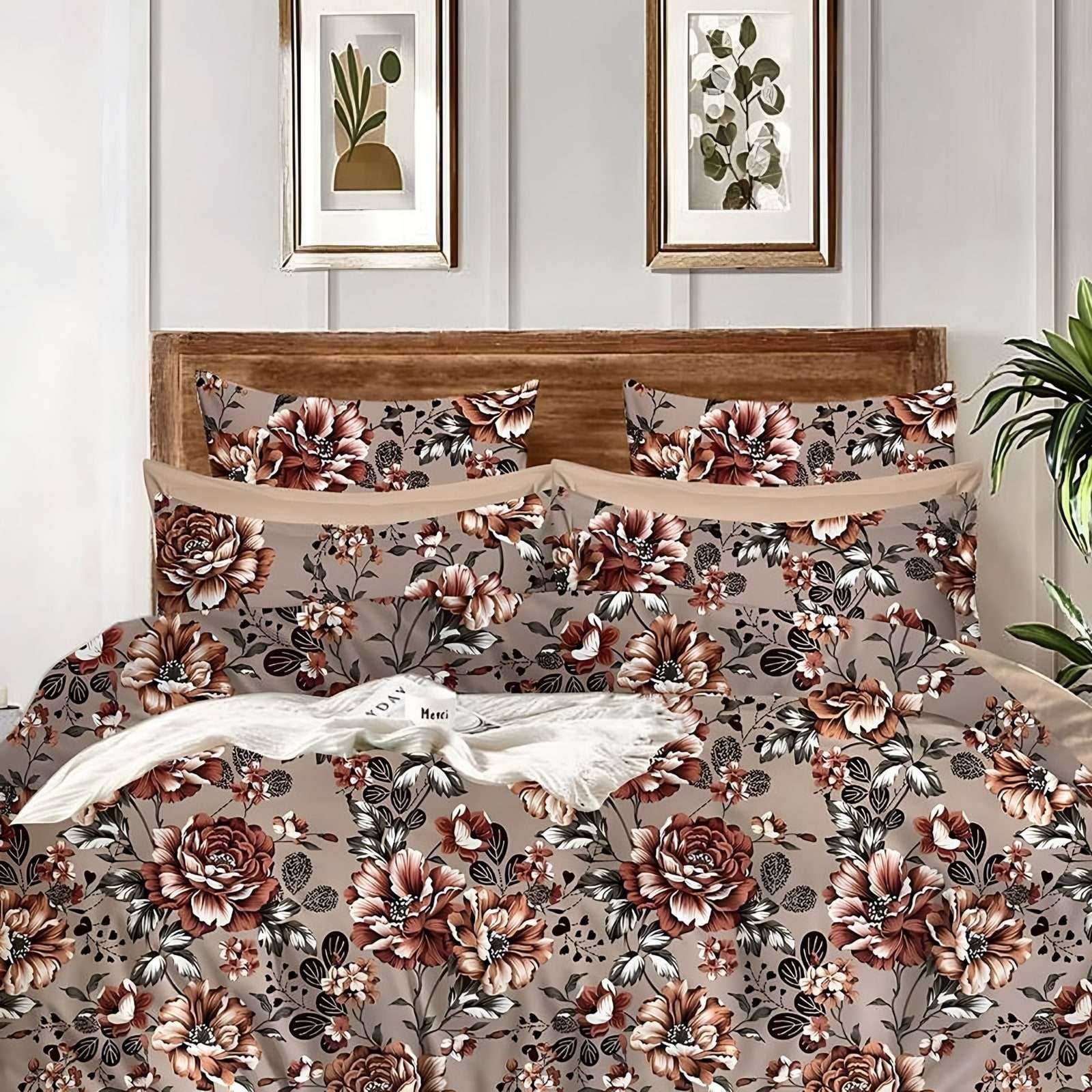
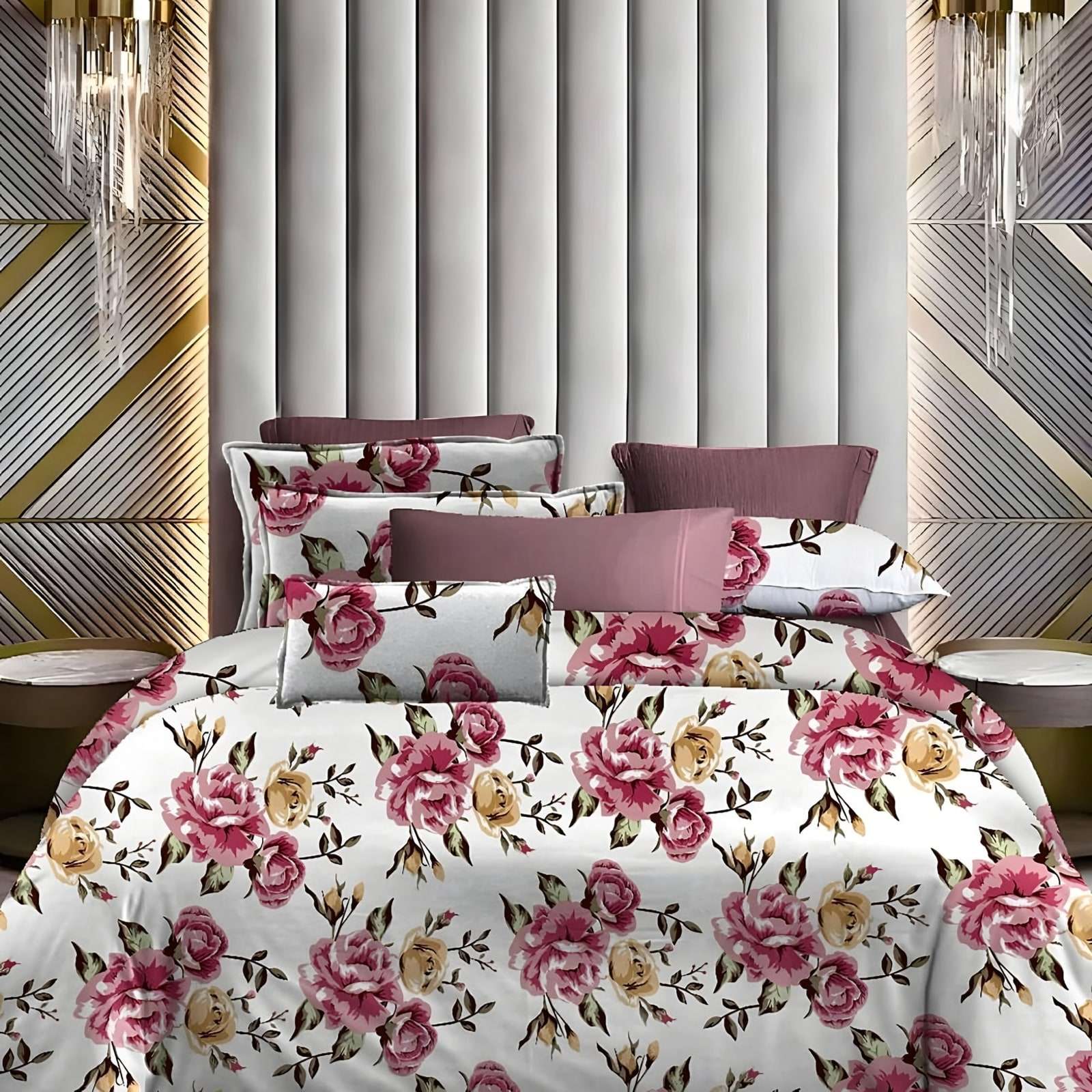
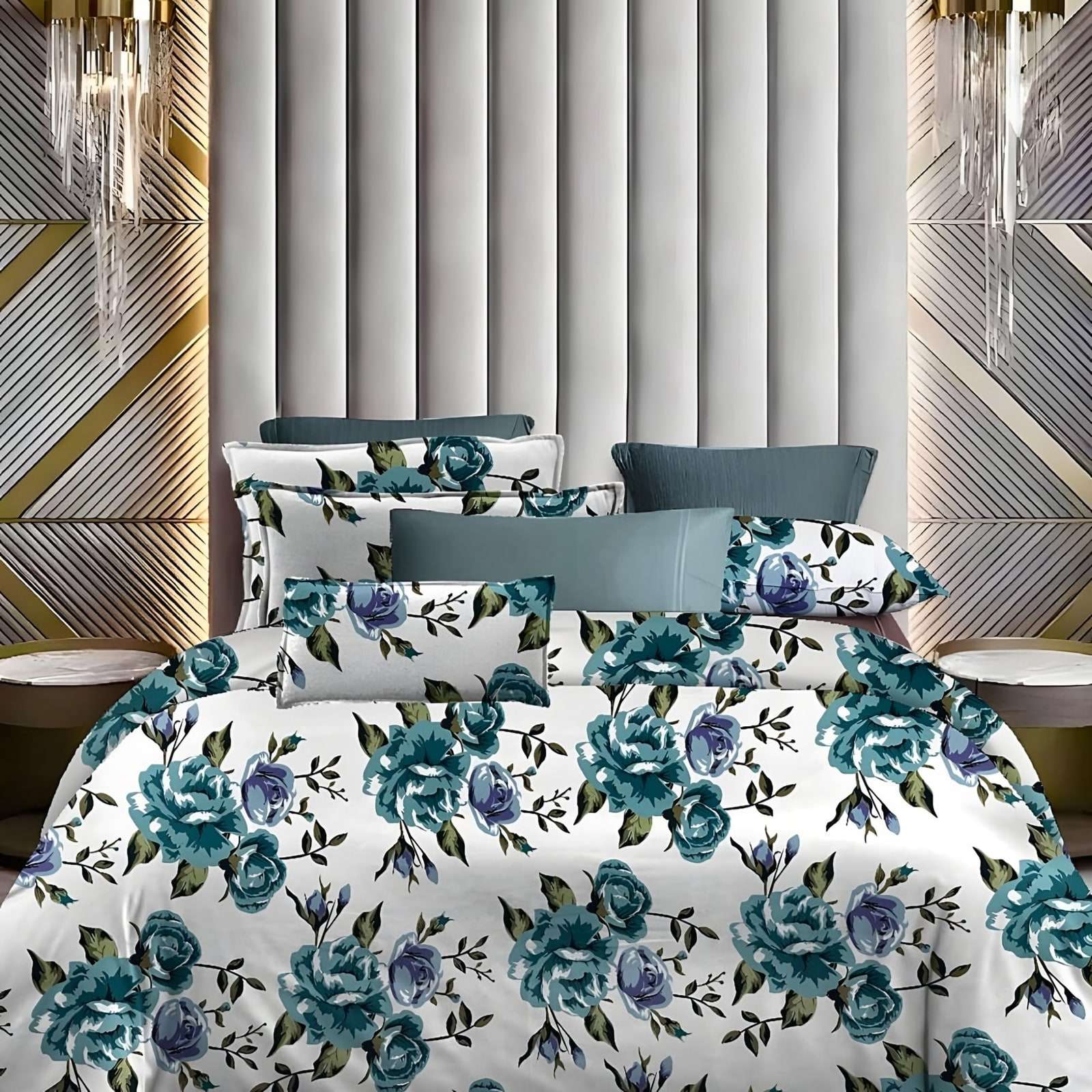
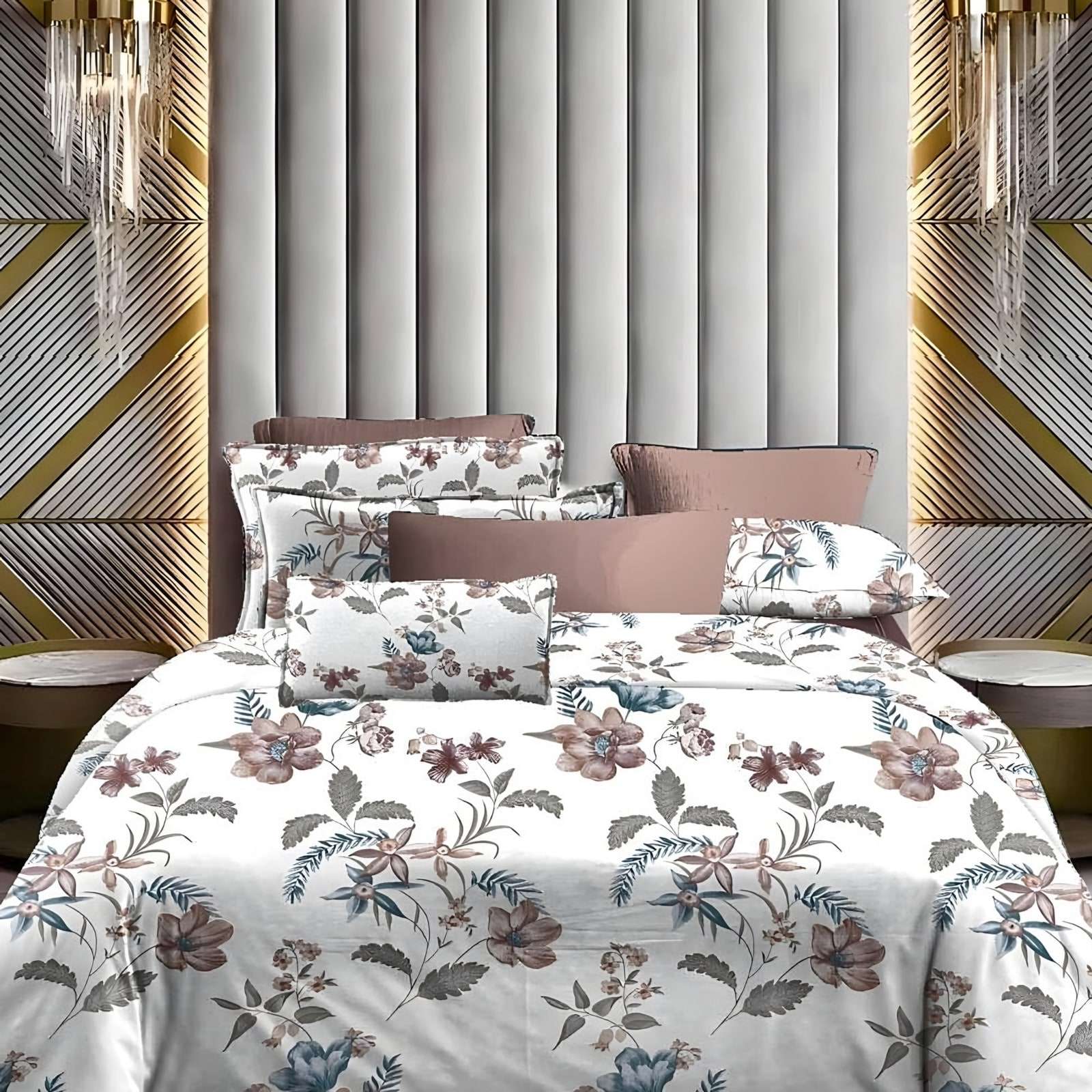
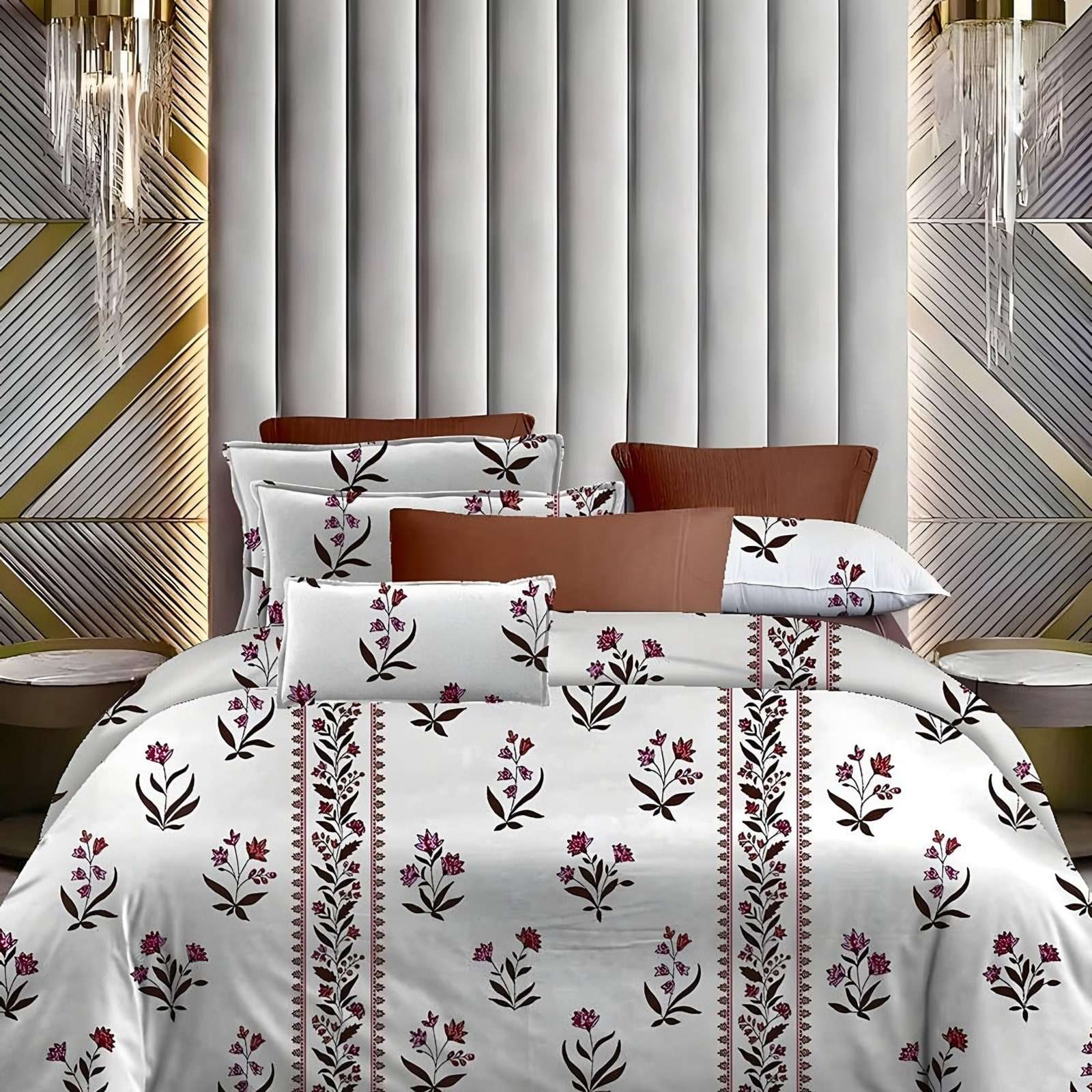
Buti & floral prints
- Origin:
- Sanganer, Rajasthan (inspiration)
- Since:
- 18th century
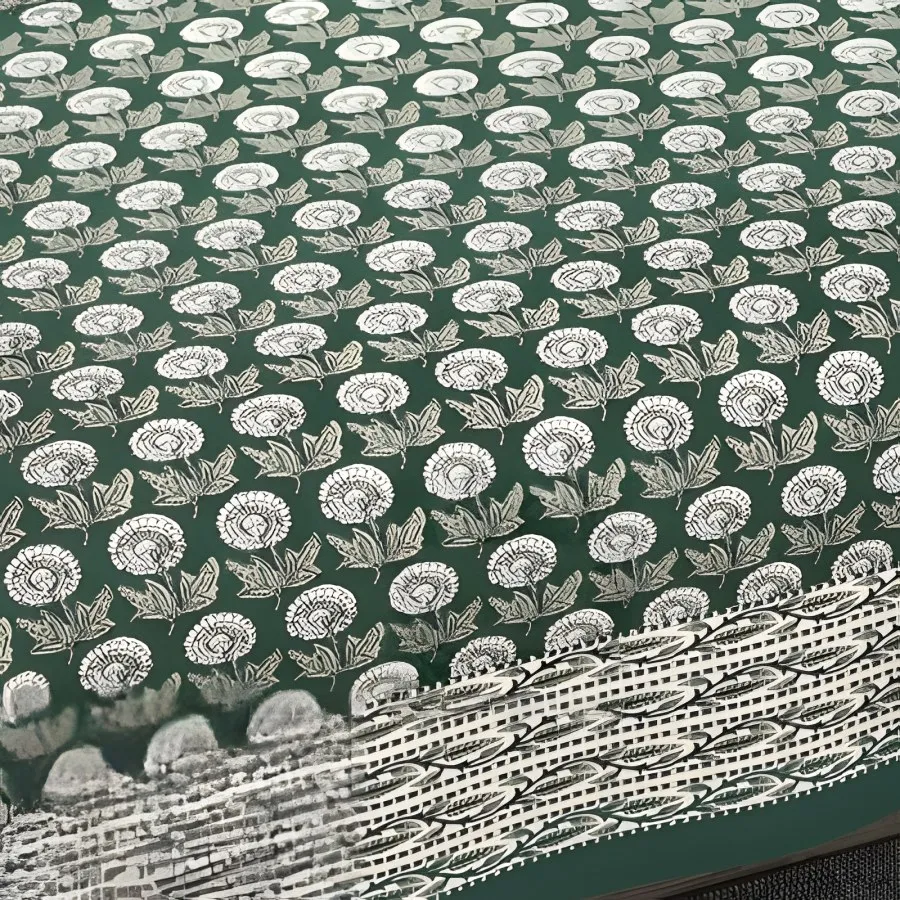
Small, scattered flowers — butis — are the signature of the delicate floral prints that made Sanganer near Jaipur famous.
Read the full storyThe story behind the print
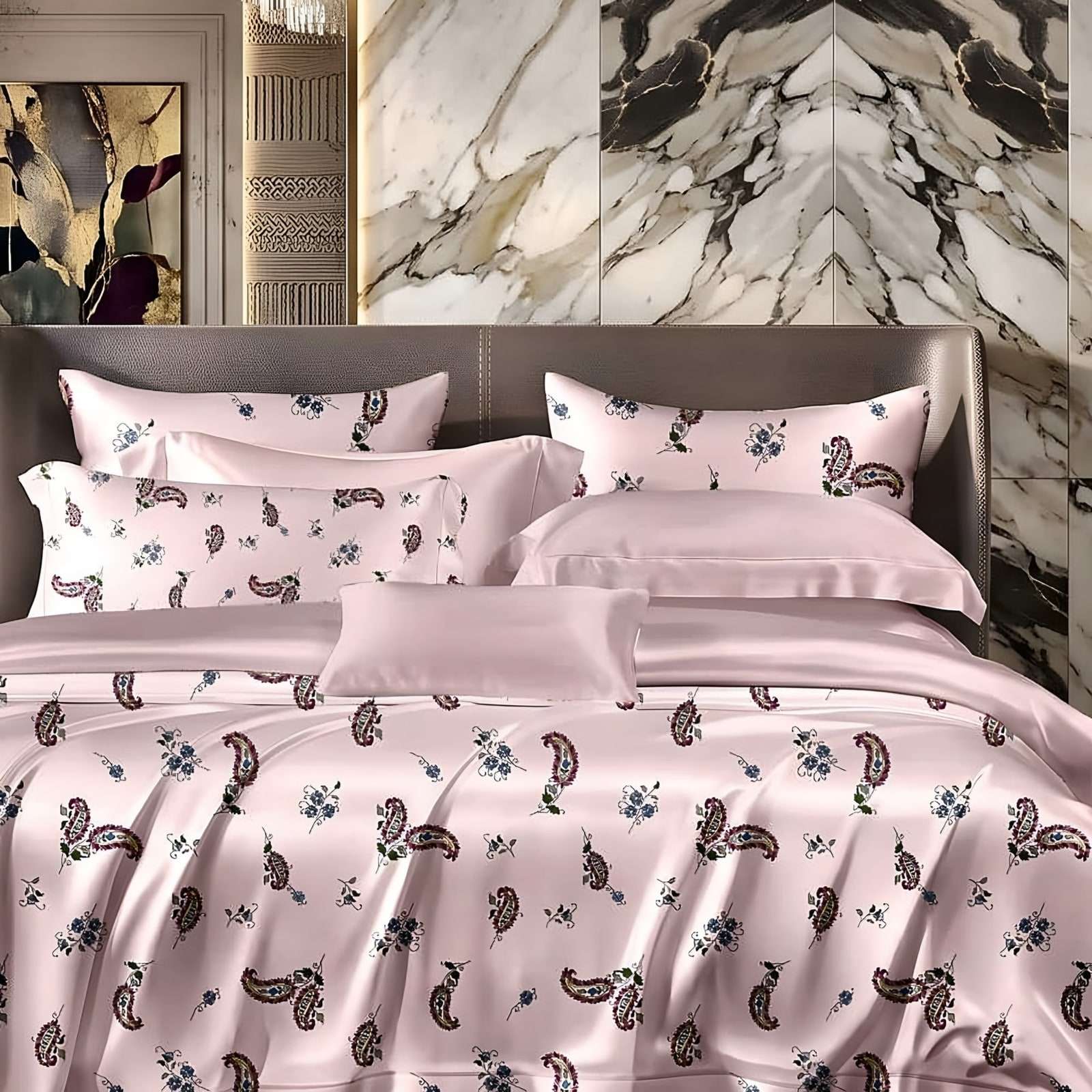
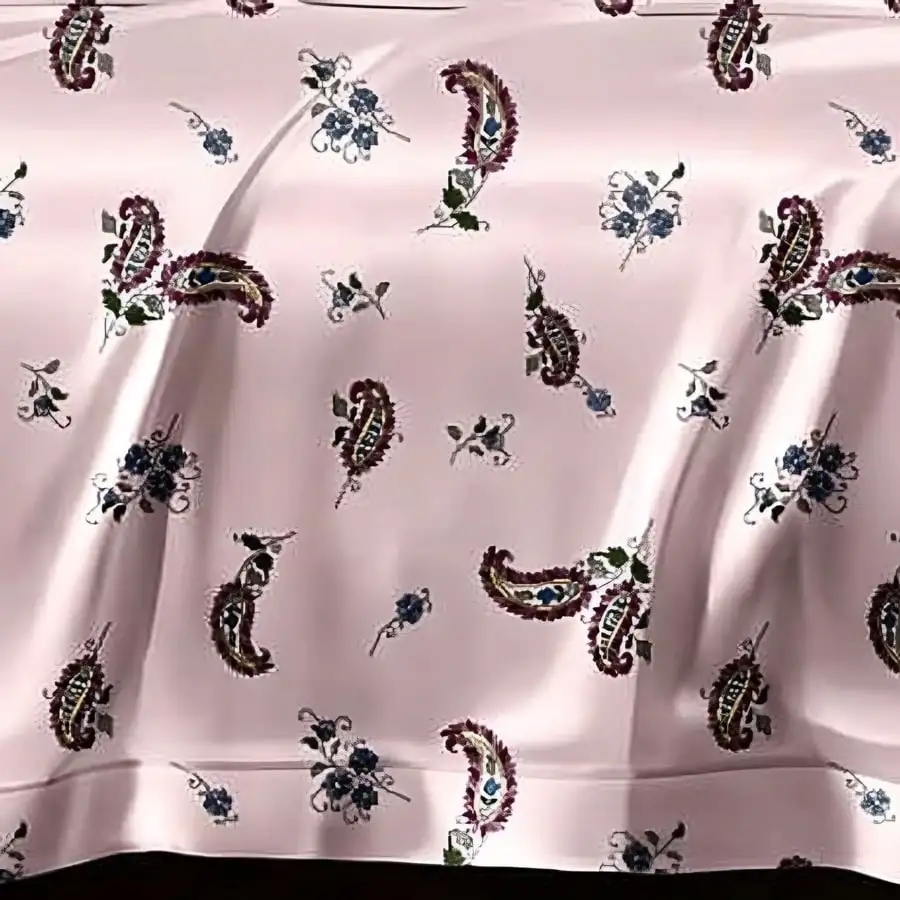
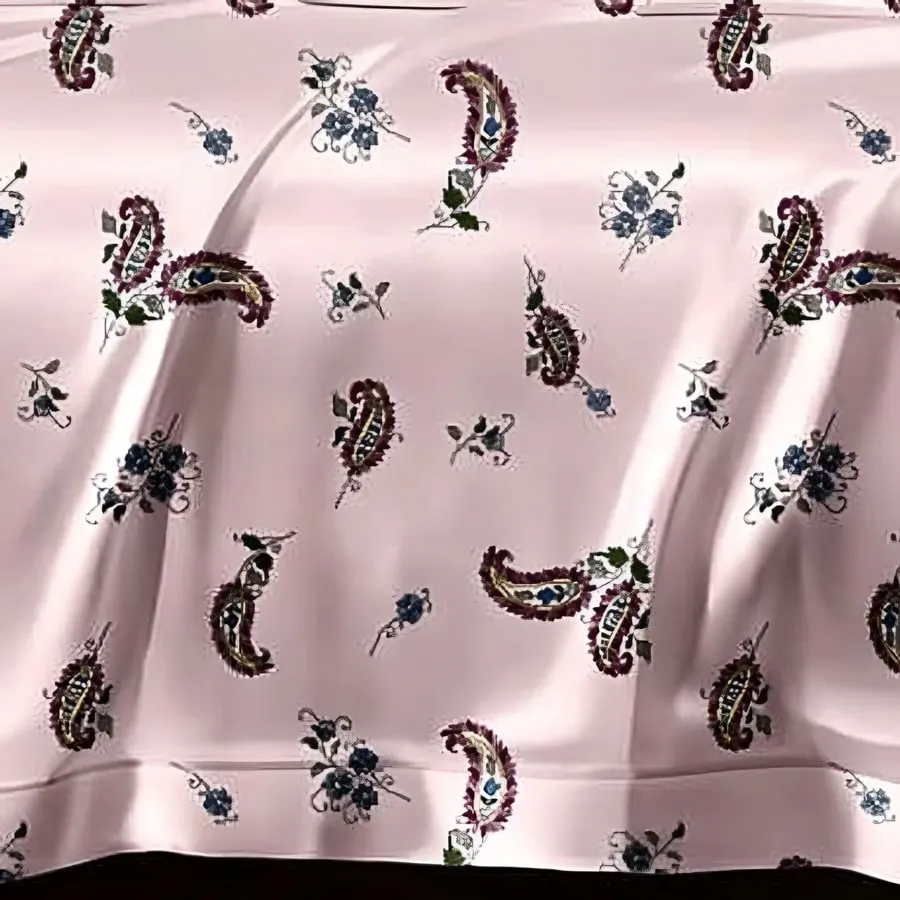
Paisley (buta)
- Origin:
- Persia and Kashmir
- Since:
- Kashmir shawls from the 17th century
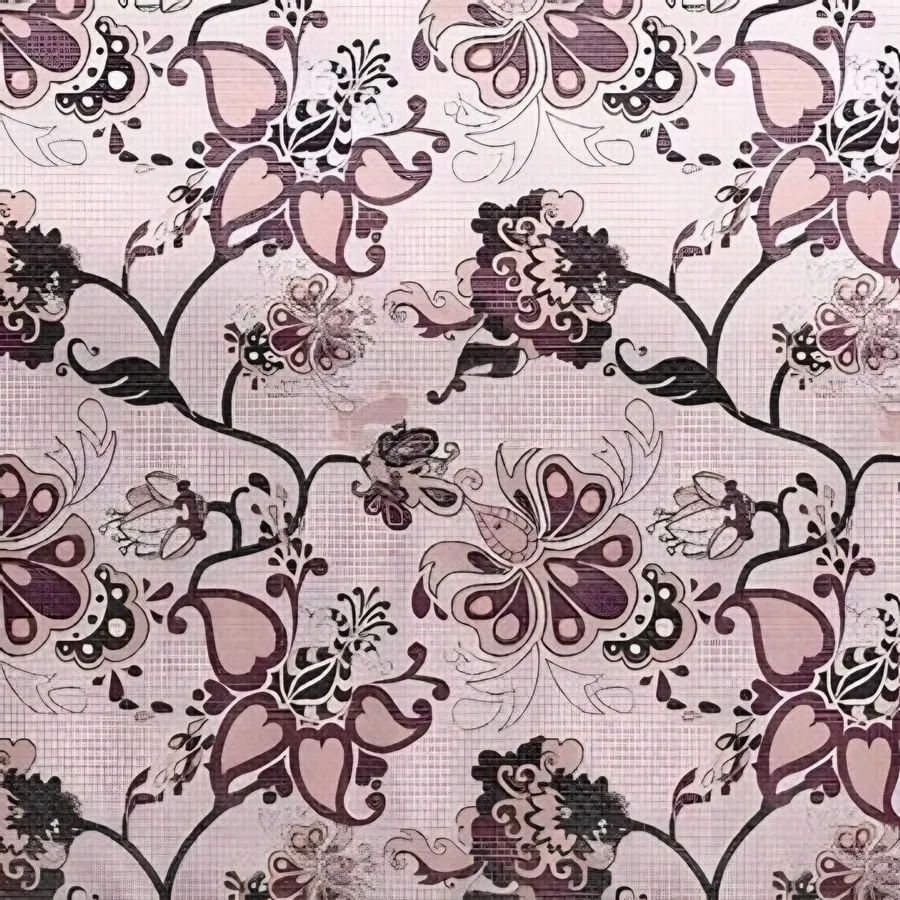
The curved teardrop motif that travelled from Persia to the shawls of Kashmir, and then to the whole world.
Read the full storyThe story behind the print
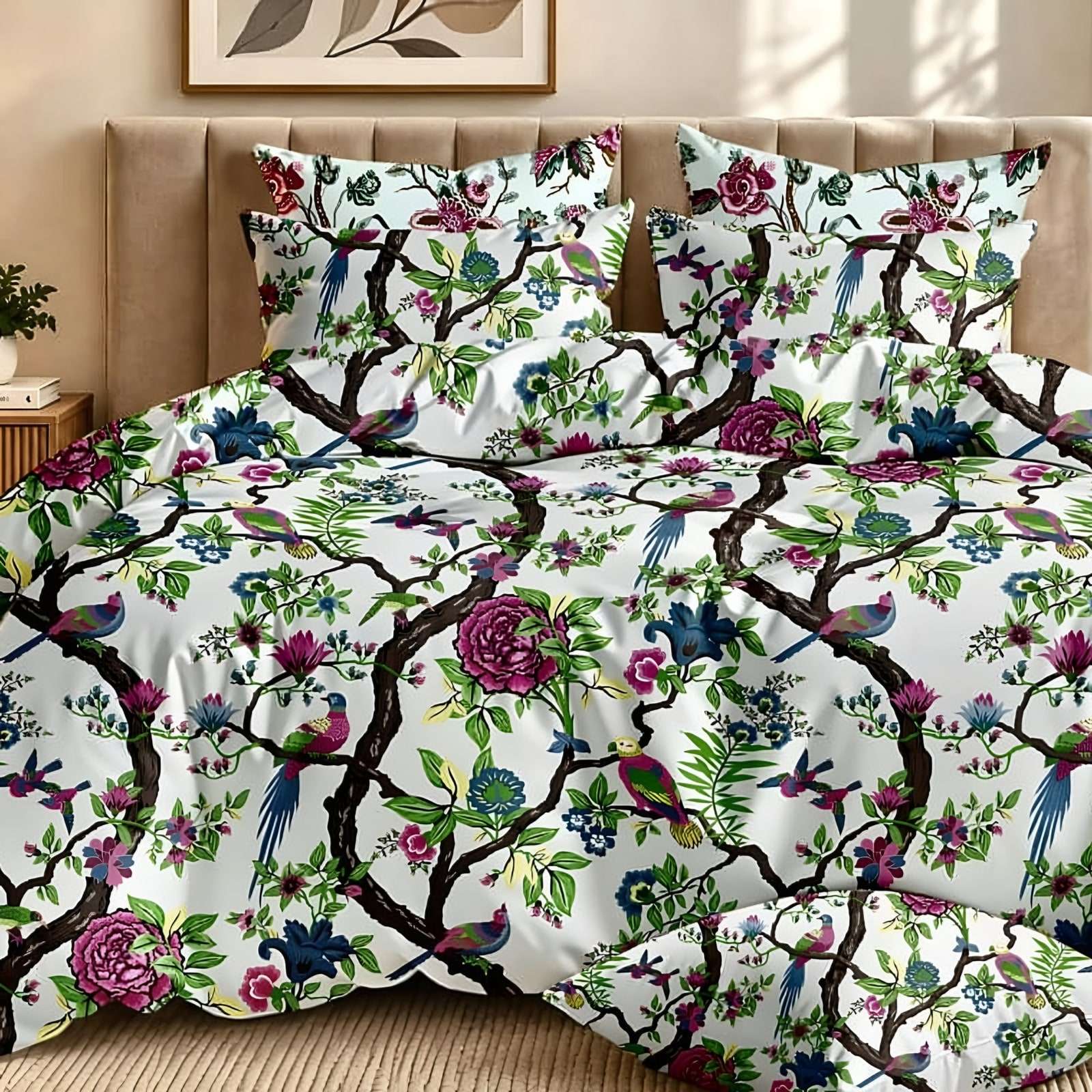
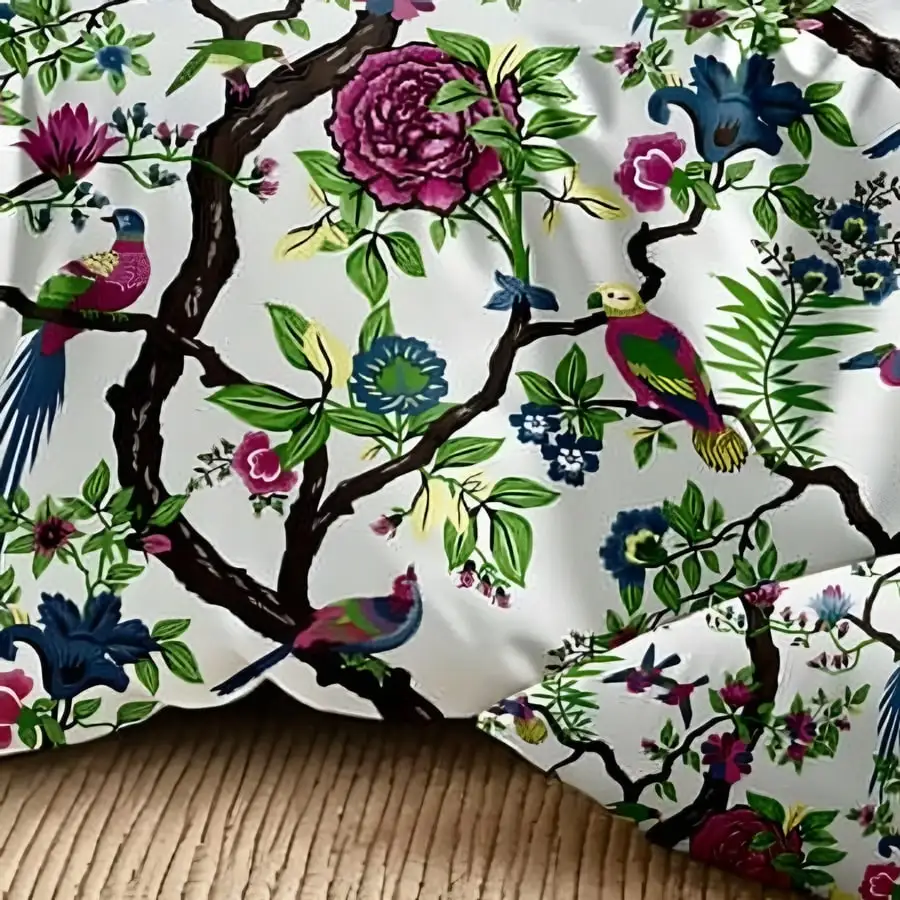
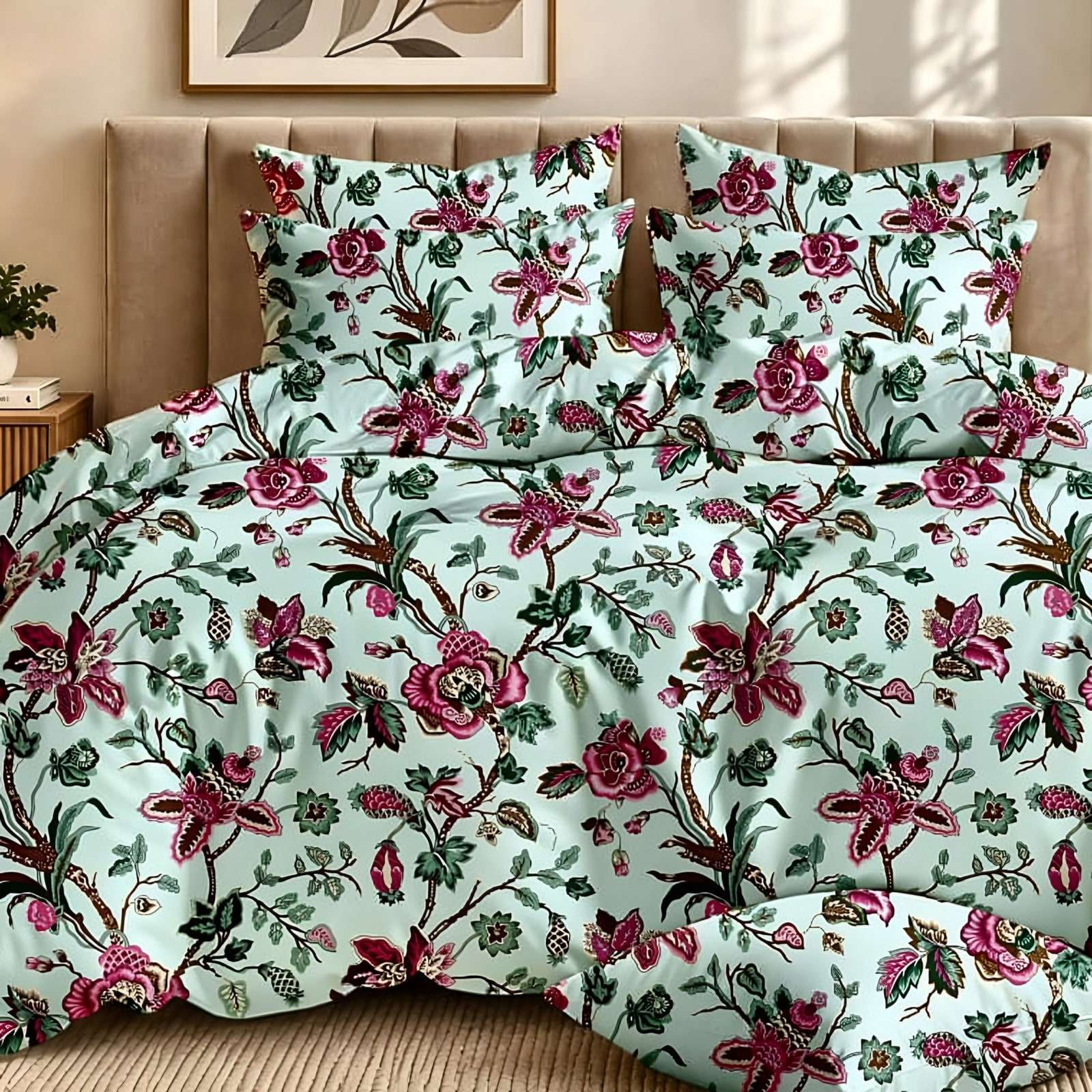
Tree of life
- Origin:
- India's painted and printed cottons
- Since:
- Exported to Europe from the late 17th century
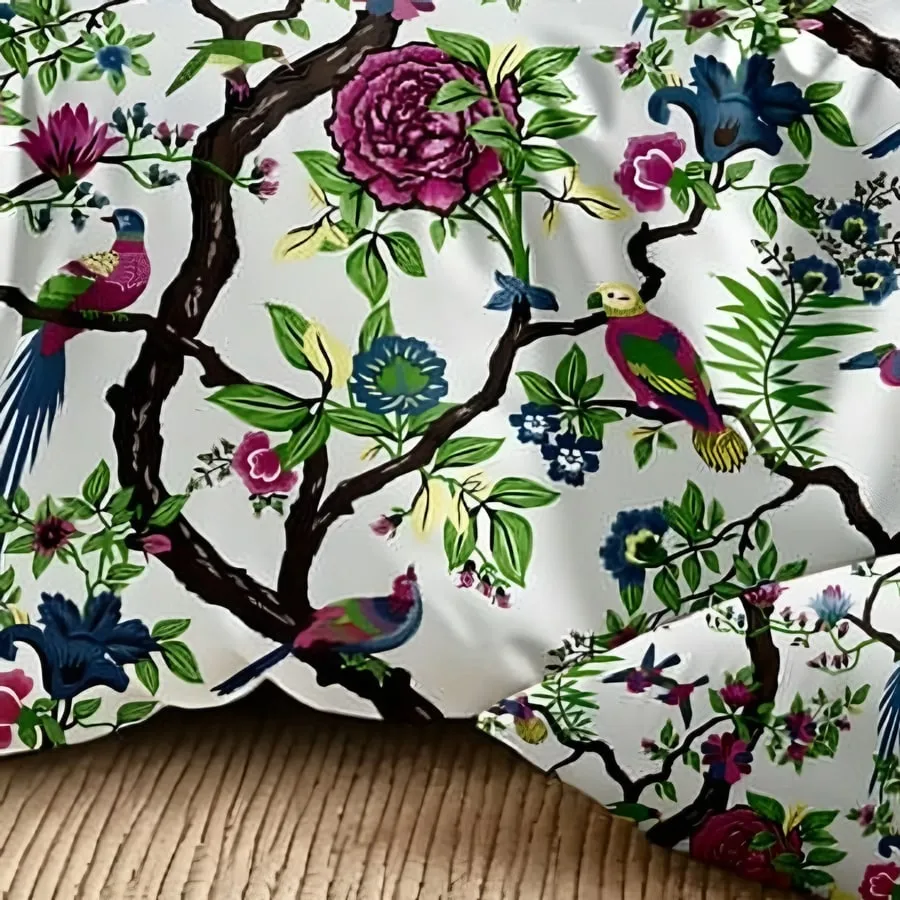
A flowering tree full of birds and blossoms, the design that made Indian painted cottons famous around the world.
Read the full storyThe story behind the print
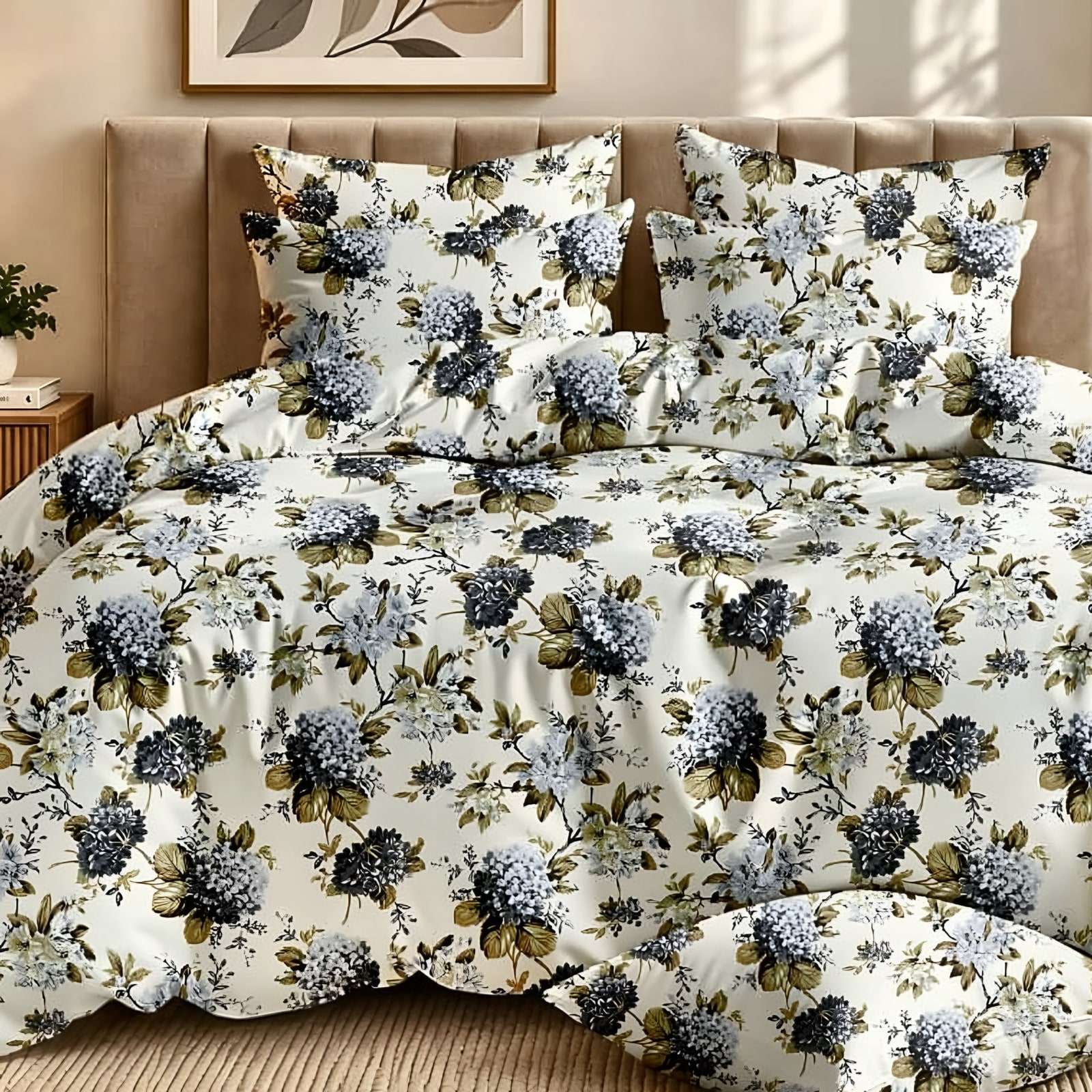
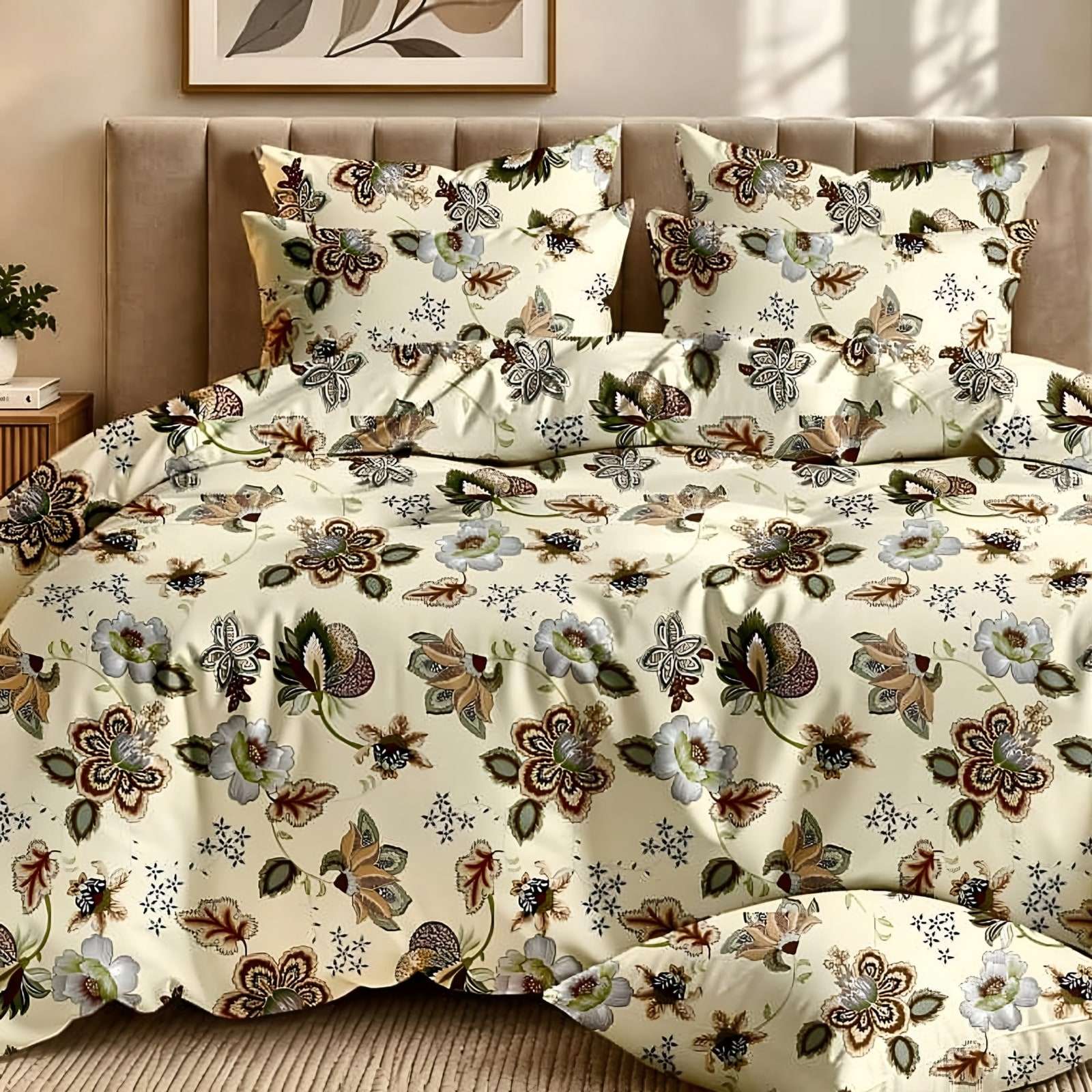
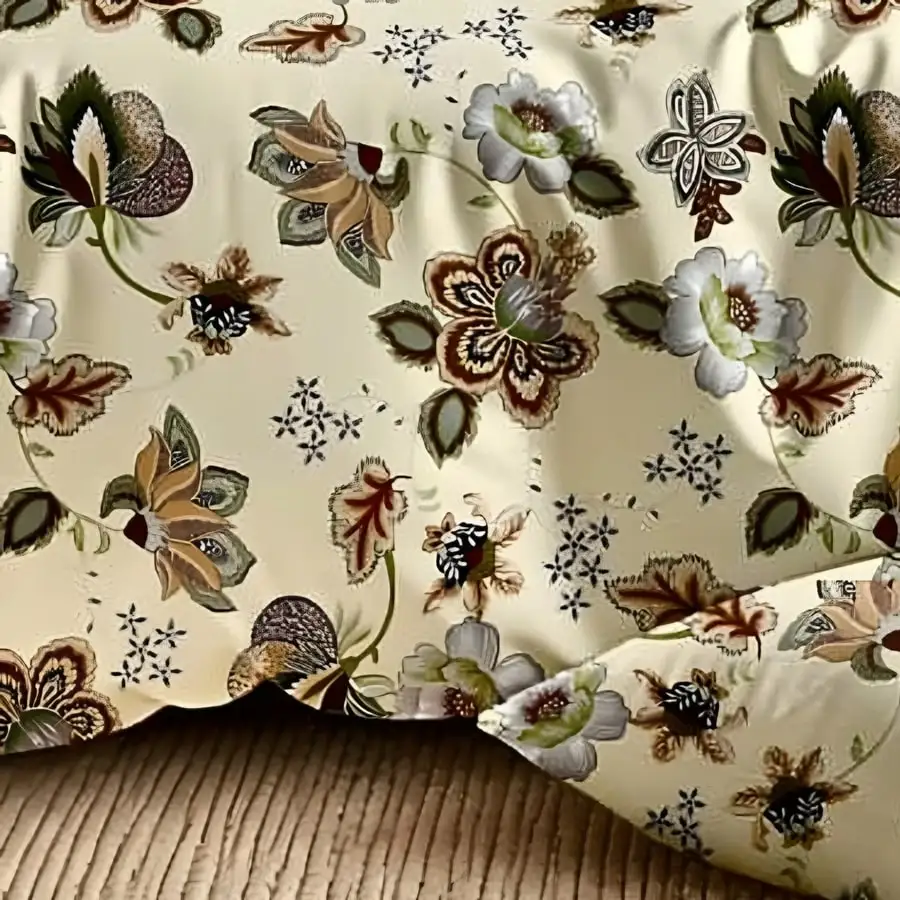
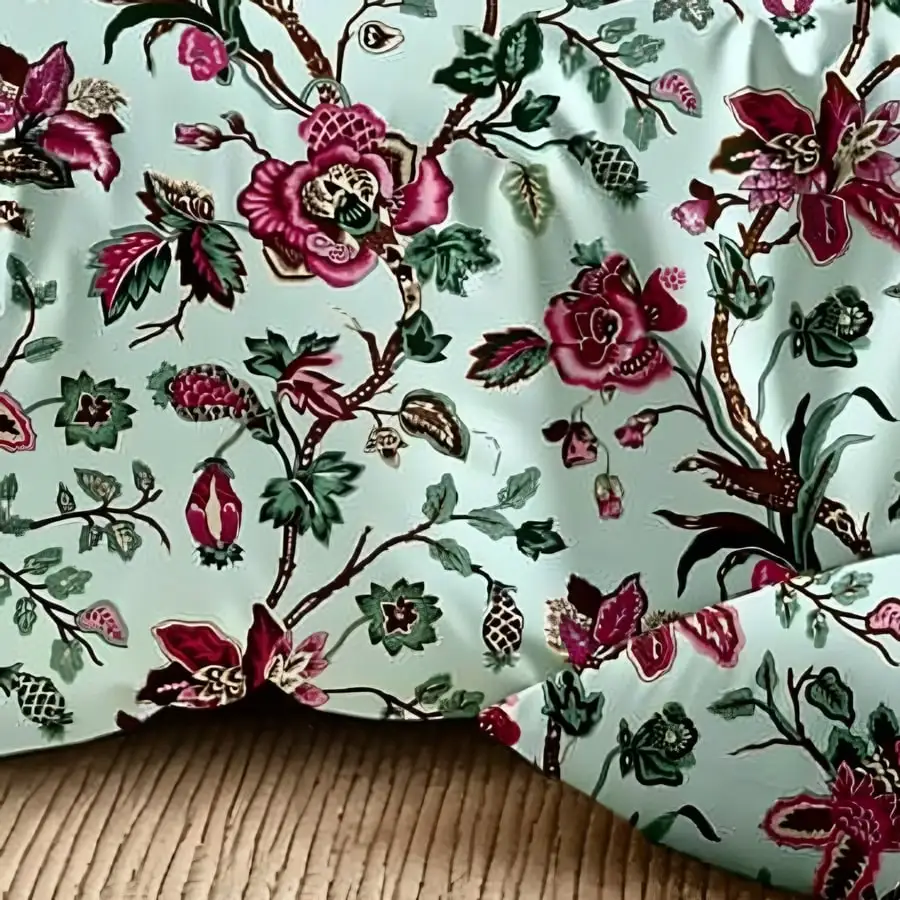
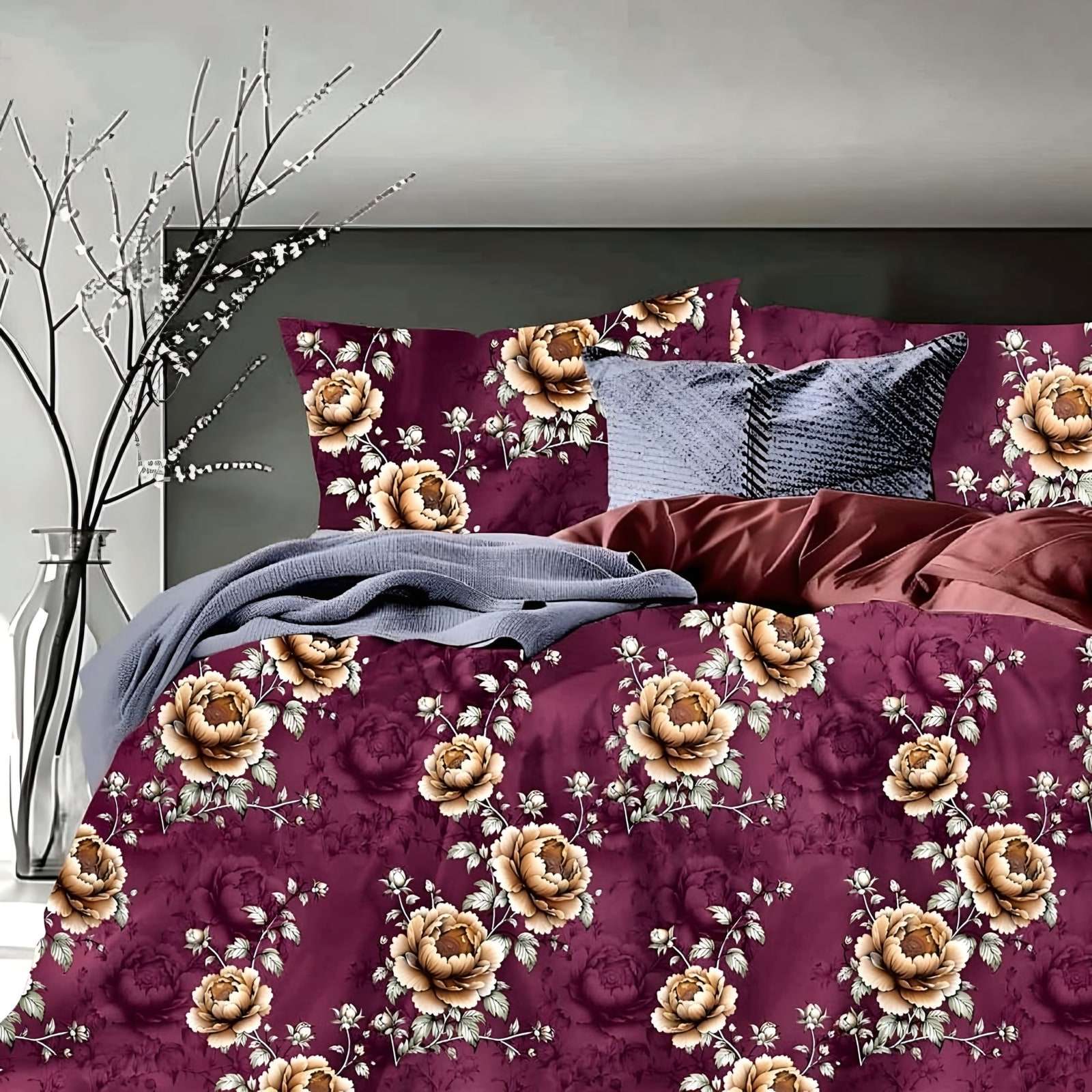
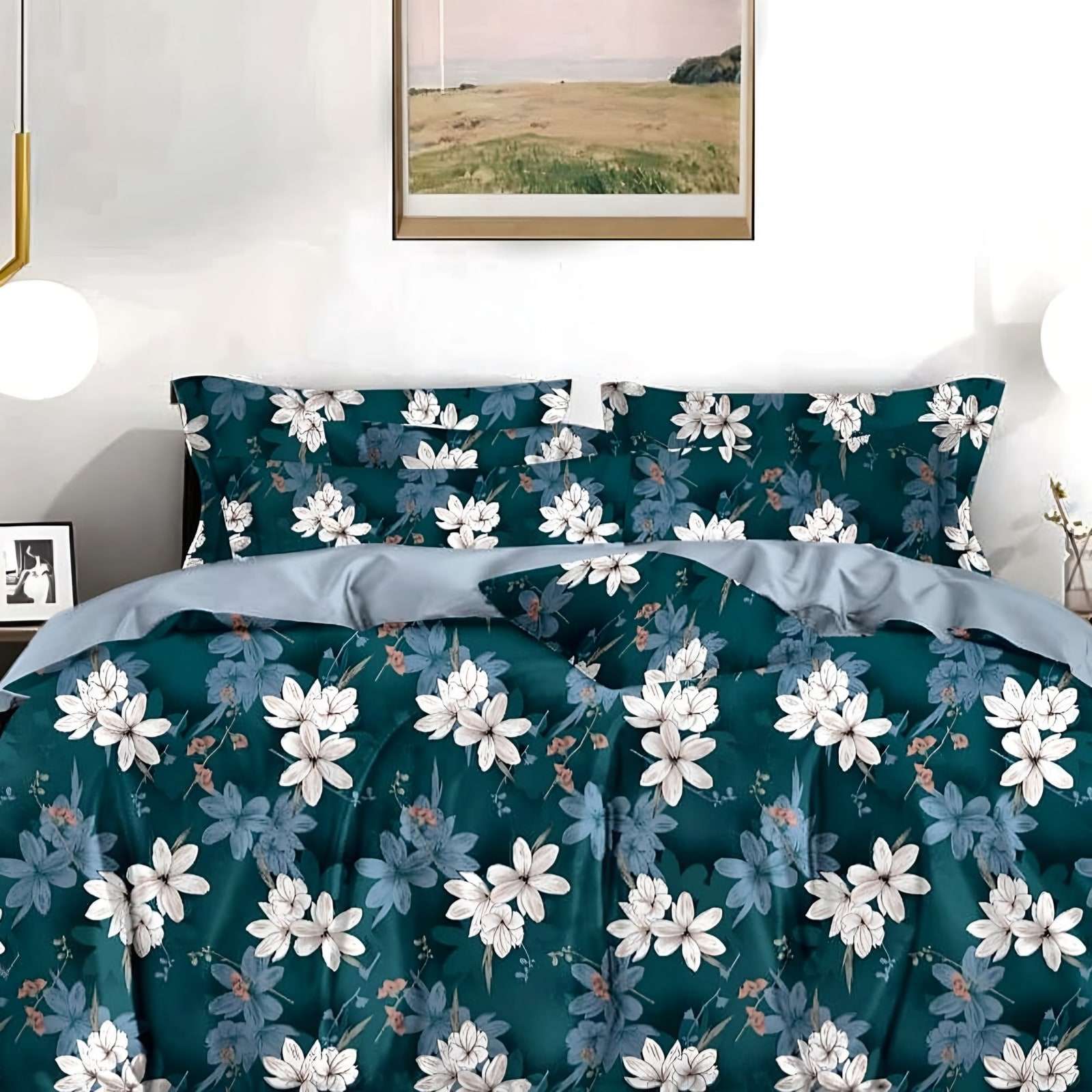
Jacobean florals
- Origin:
- England, inspired by Indian chintz
- Since:
- 17th century
Big, curling flowers and leaves on winding stems, an English classic that grew out of Indian chintz.
Read the full storyThe story behind the print
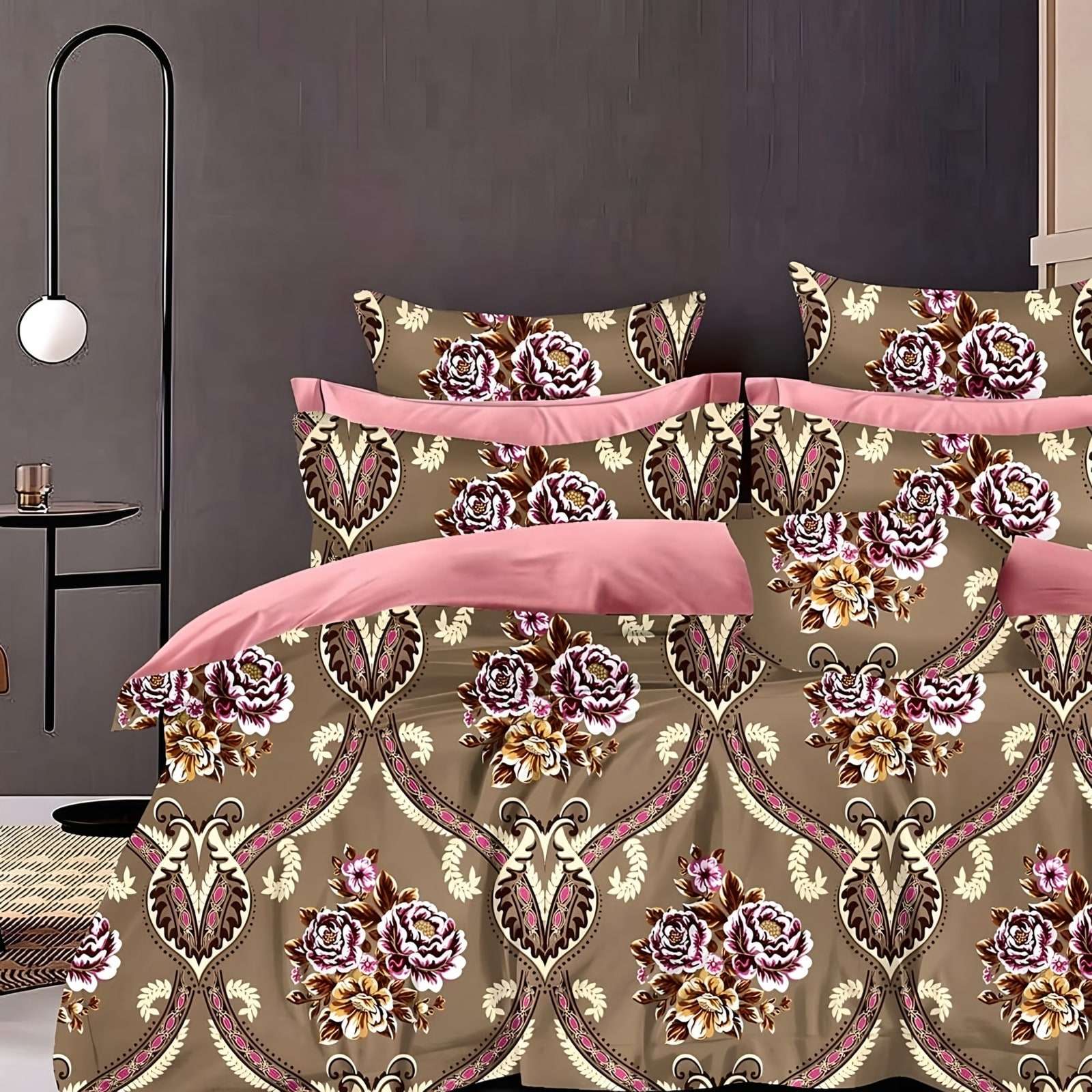
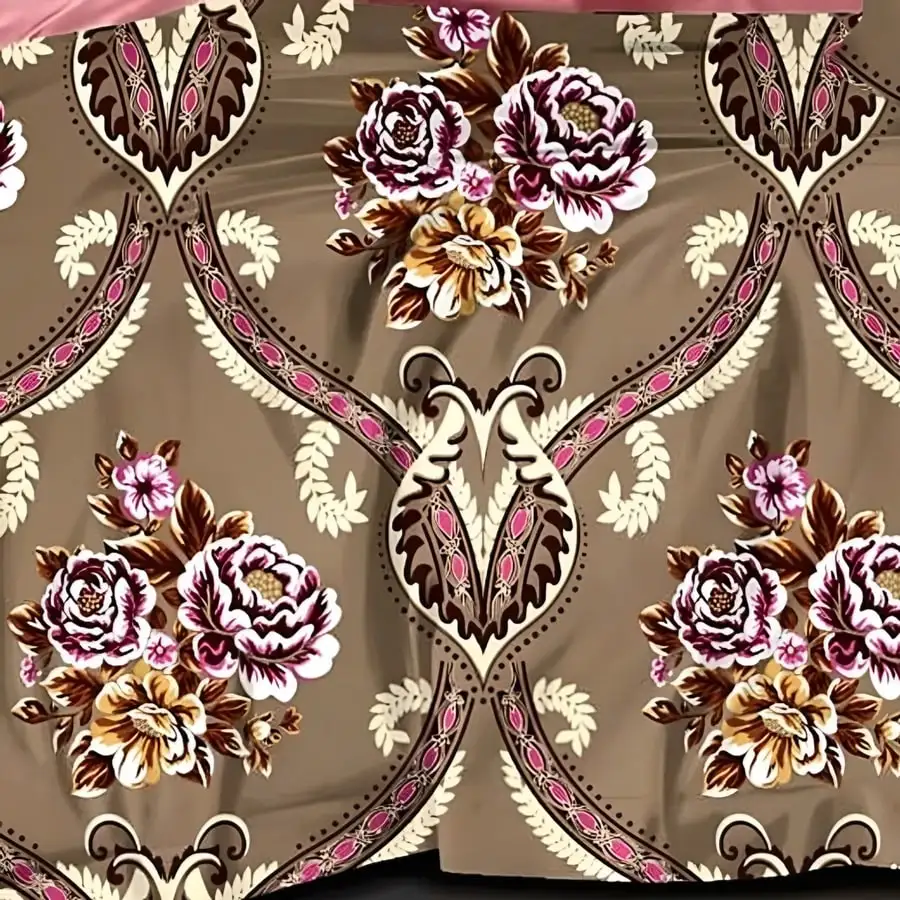
Damask and ogee
- Origin:
- Damascus, Italy and the Mughal courts
- Since:
- Medieval silks
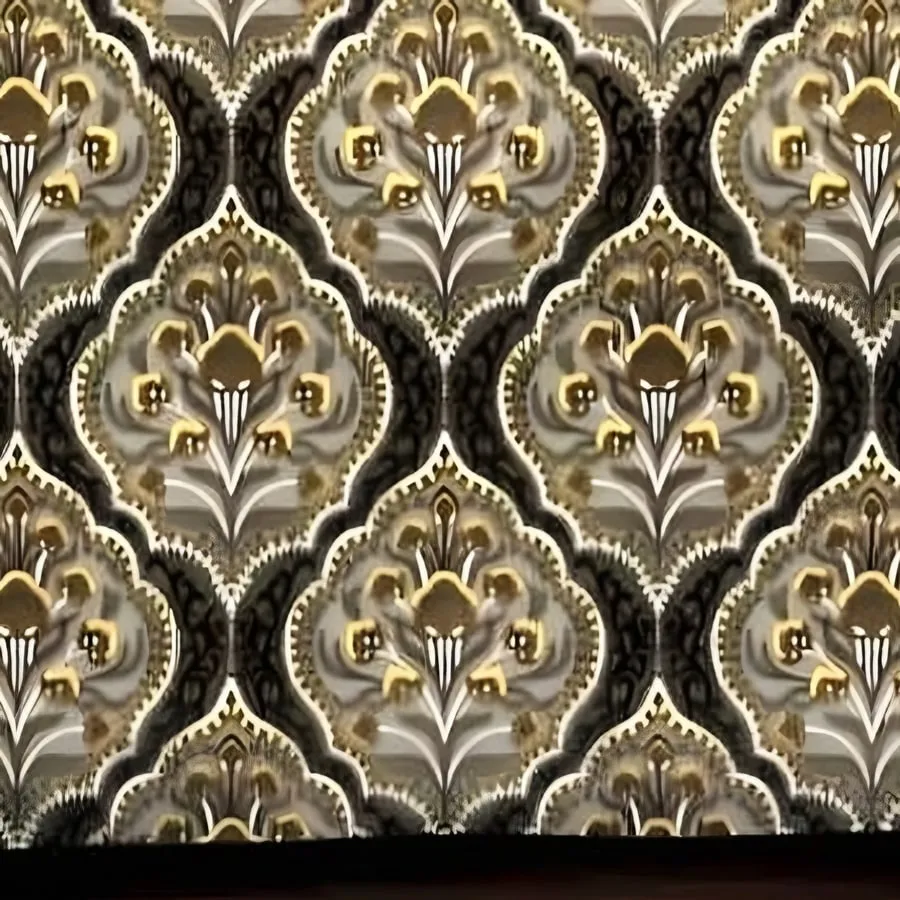
Rich, mirrored florals and onion-shaped frames, the patterns of palace silks, now on everyday bedsheets.
Read the full story