
The story behind the print
Damask and ogee
- Origin:
- Damascus, Italy and the Mughal courts
- Since:
- Medieval silks
Rich, mirrored florals and onion-shaped frames, the patterns of palace silks, now on everyday bedsheets.
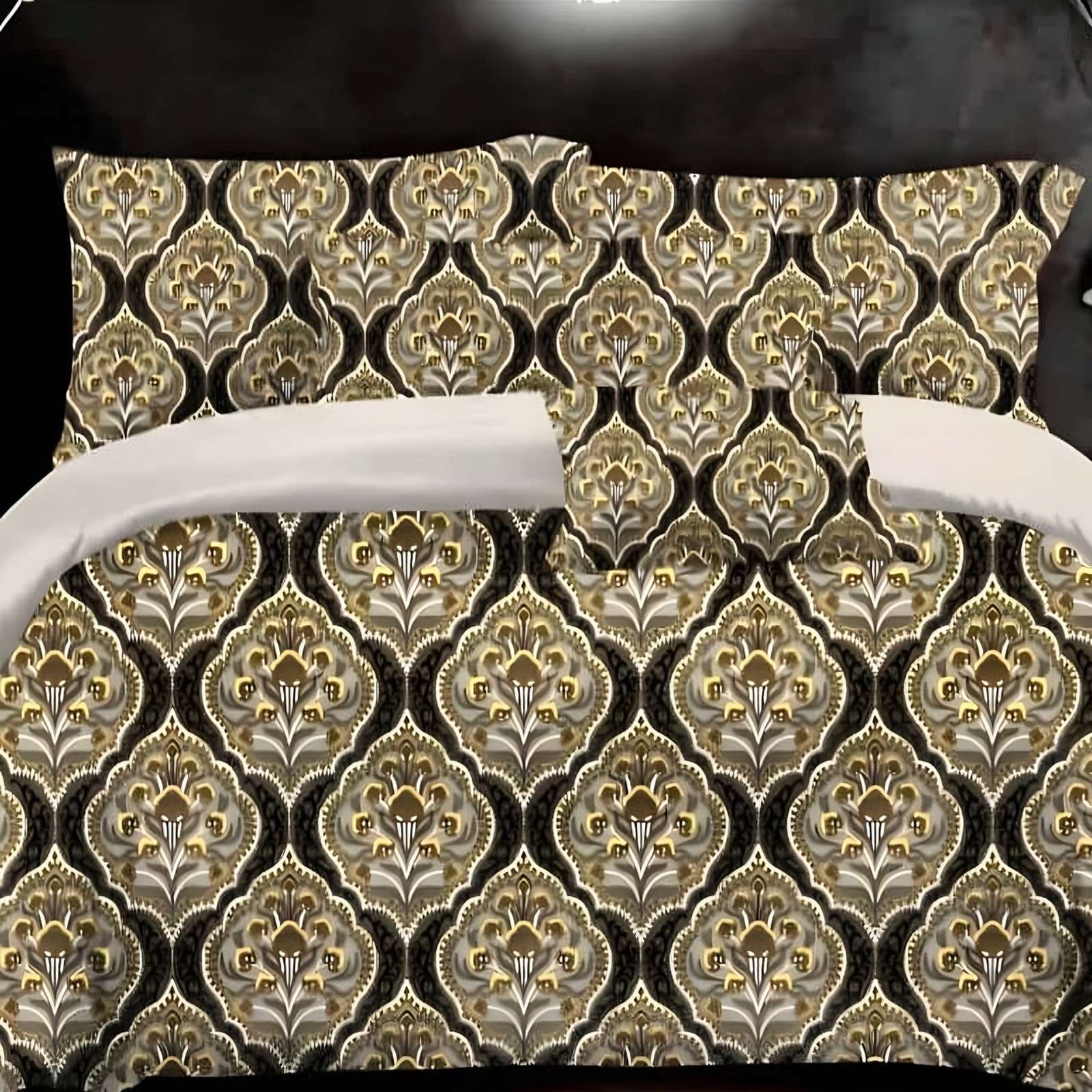
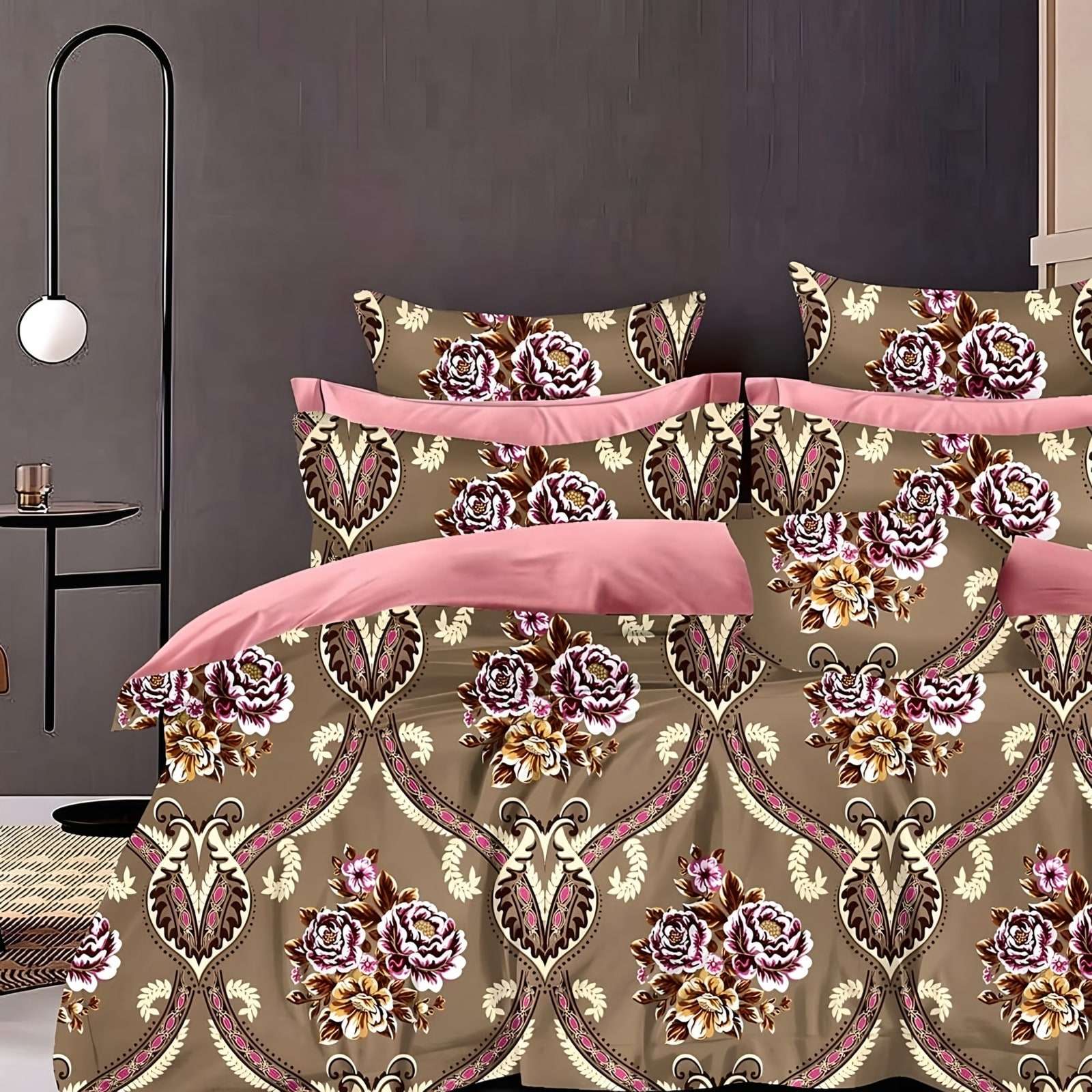
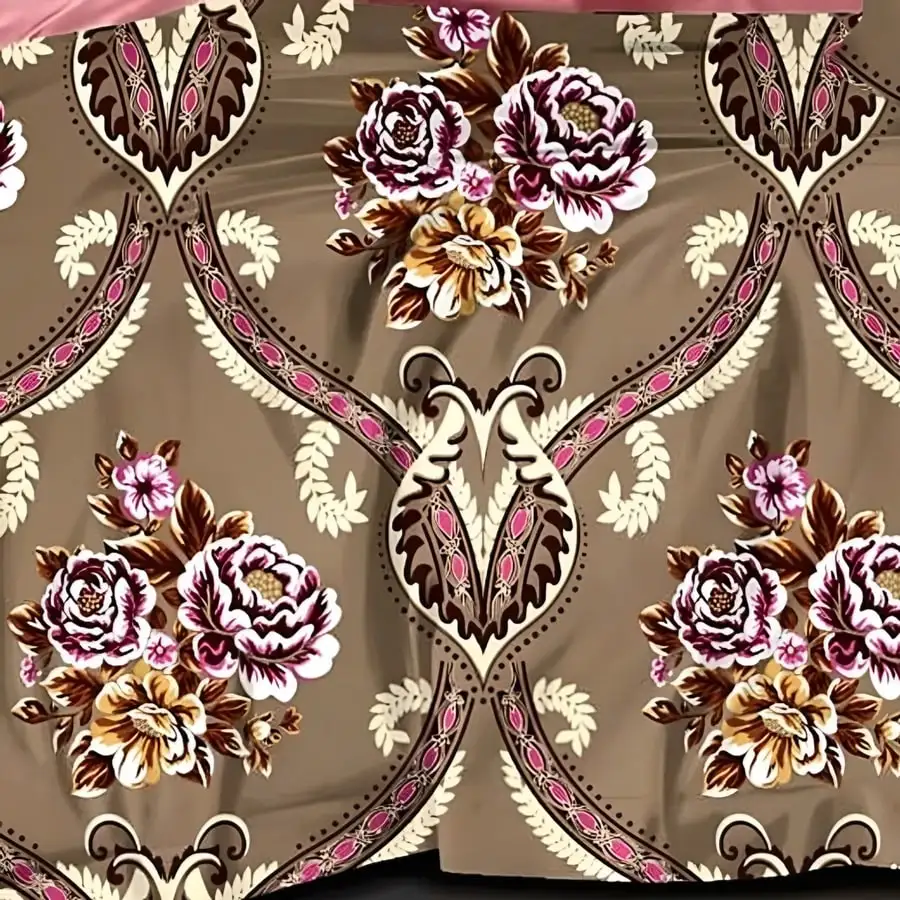
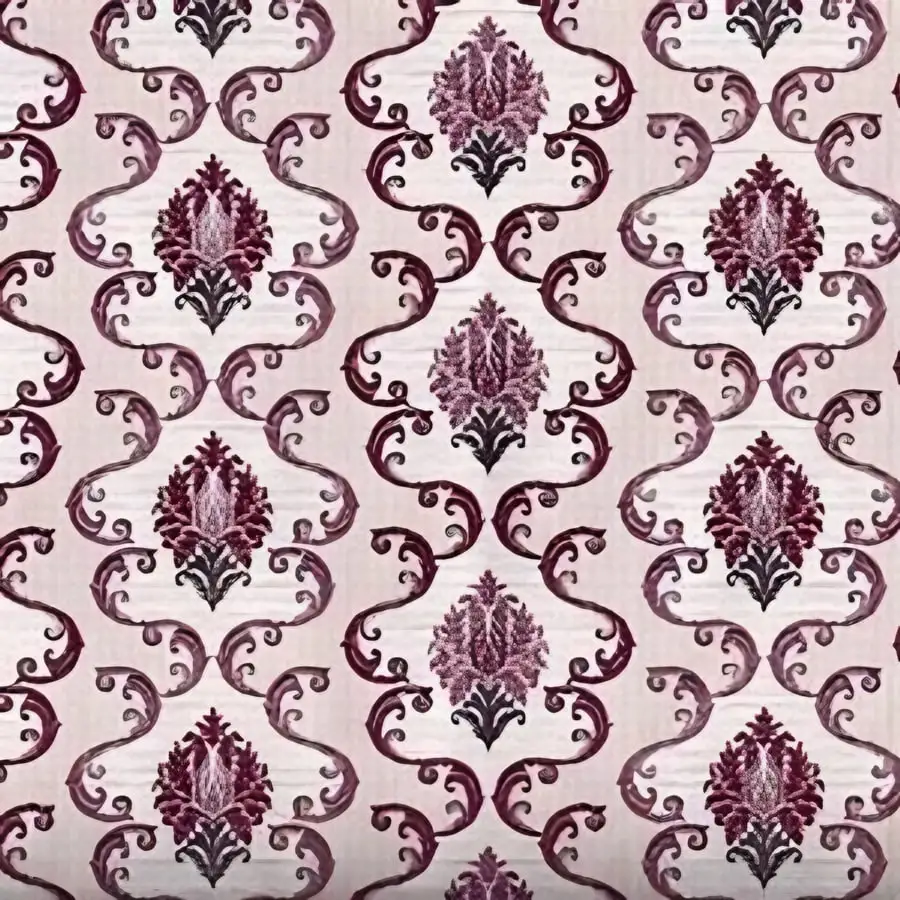
Damask is named after the city of Damascus, a great trading centre famous for fine patterned silks in the Middle Ages. True damask is woven, not printed: the pattern shows through the contrast of shiny and matt threads. Its typical designs are large, symmetrical, mirror-image flowers and leaves.
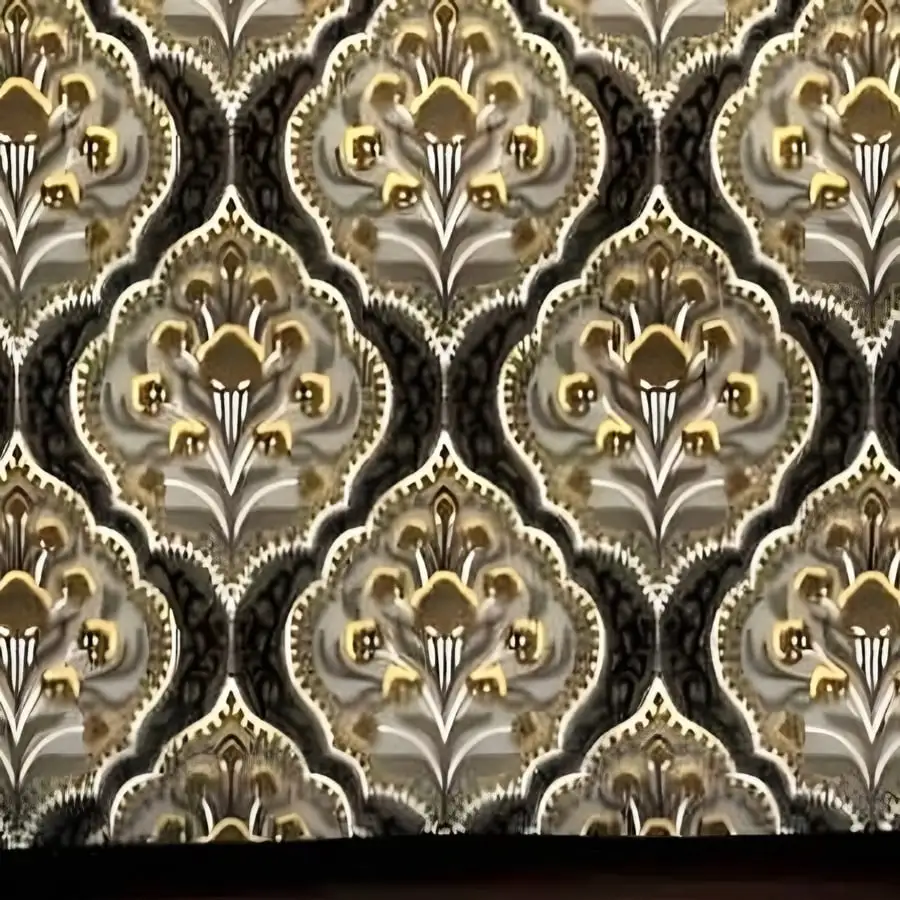
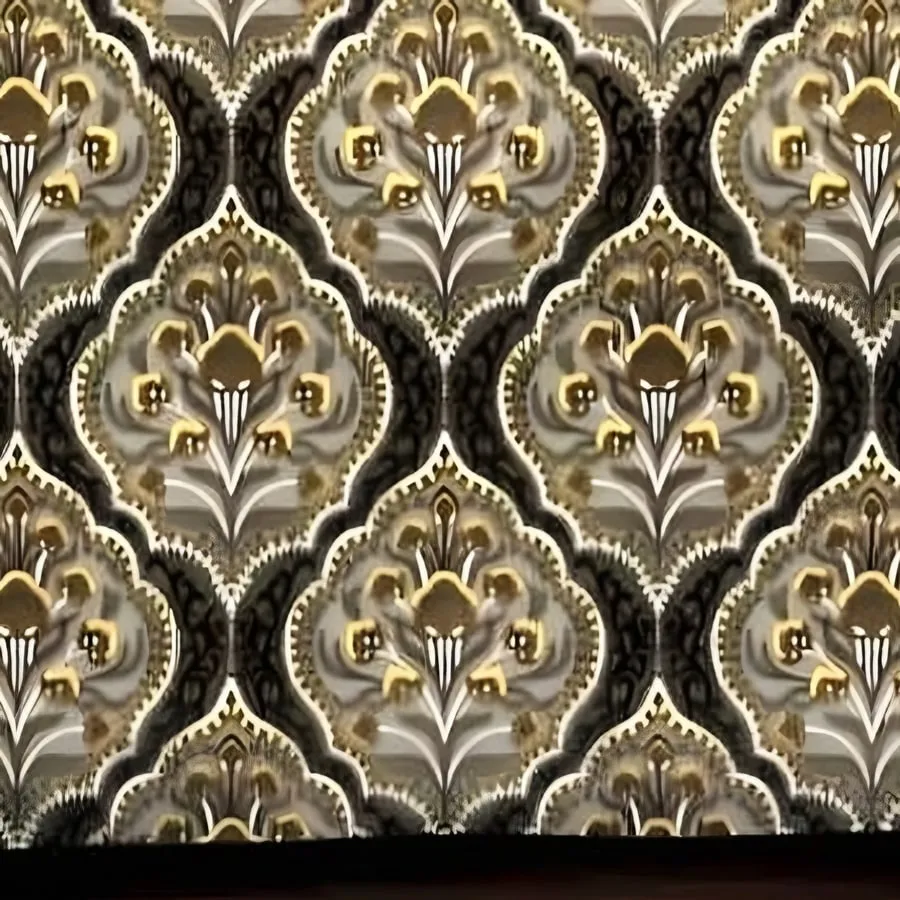
Many damask designs are laid out inside an ogee lattice, a frame made of S-shaped curves that meet in points, like an onion dome. The same shape appears in Mughal and Rajasthani arches and jaalis.
Printed damask and ogee patterns bring that palace richness to cotton and glace cotton, often in deep colours with gold. See them in our Samriddhi, Victoria and Rozee ranges.