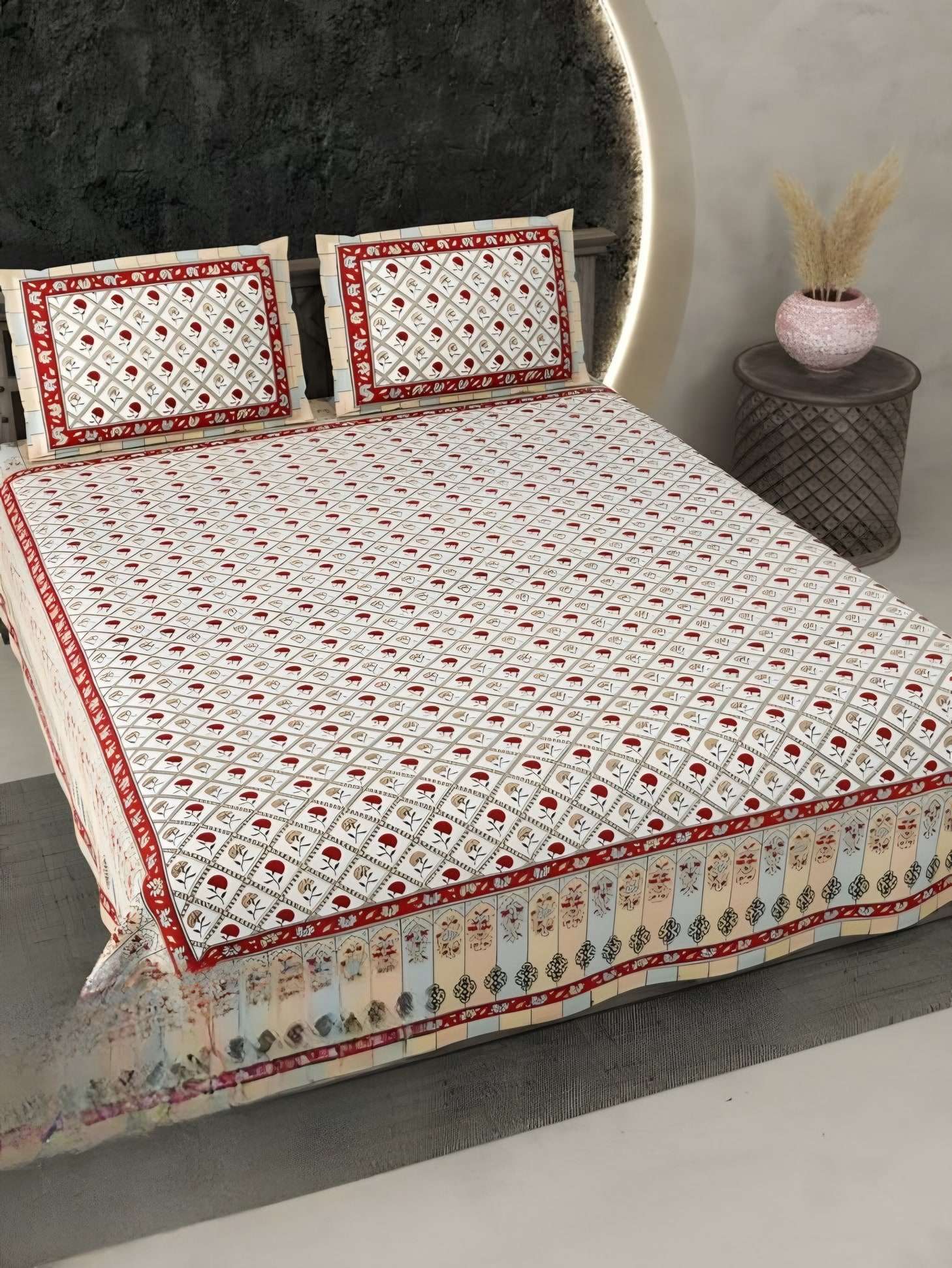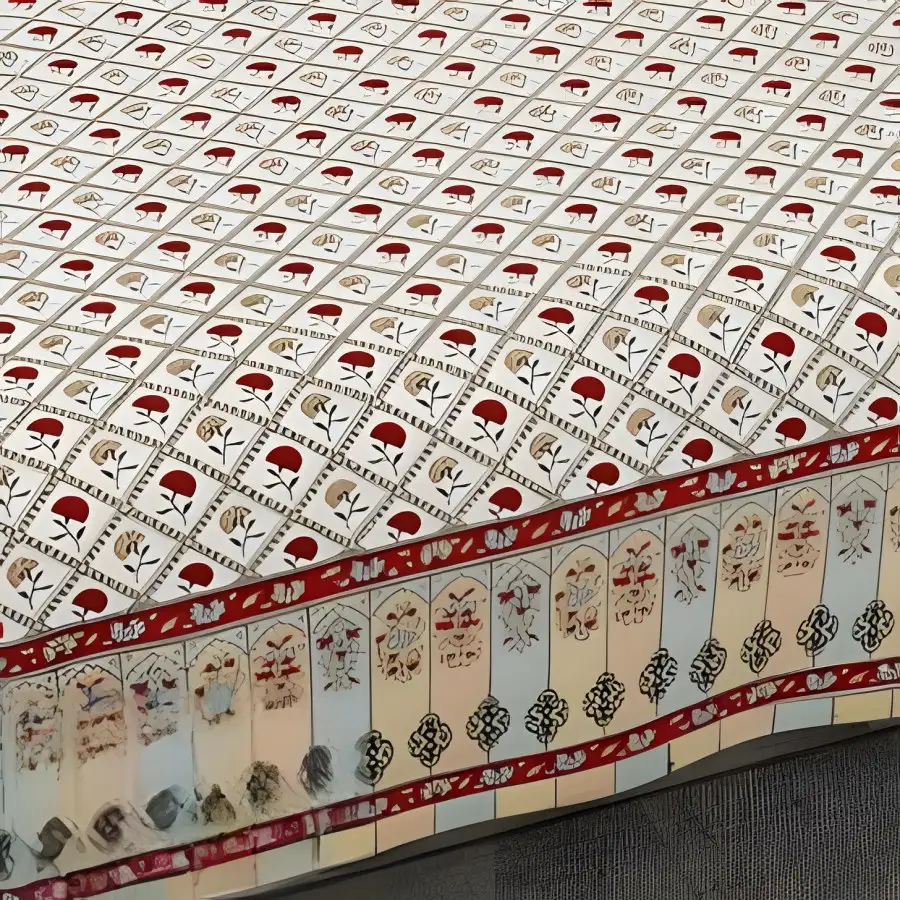

The story behind the print
Jaipuri screen print
- Origin:
- Jaipur and Sanganer, Rajasthan
- Since:
- Since the mid-20th century
The Jaipur craft of printing cotton through fine mesh screens, one colour at a time, for sharp, even designs in bright, lasting colours.
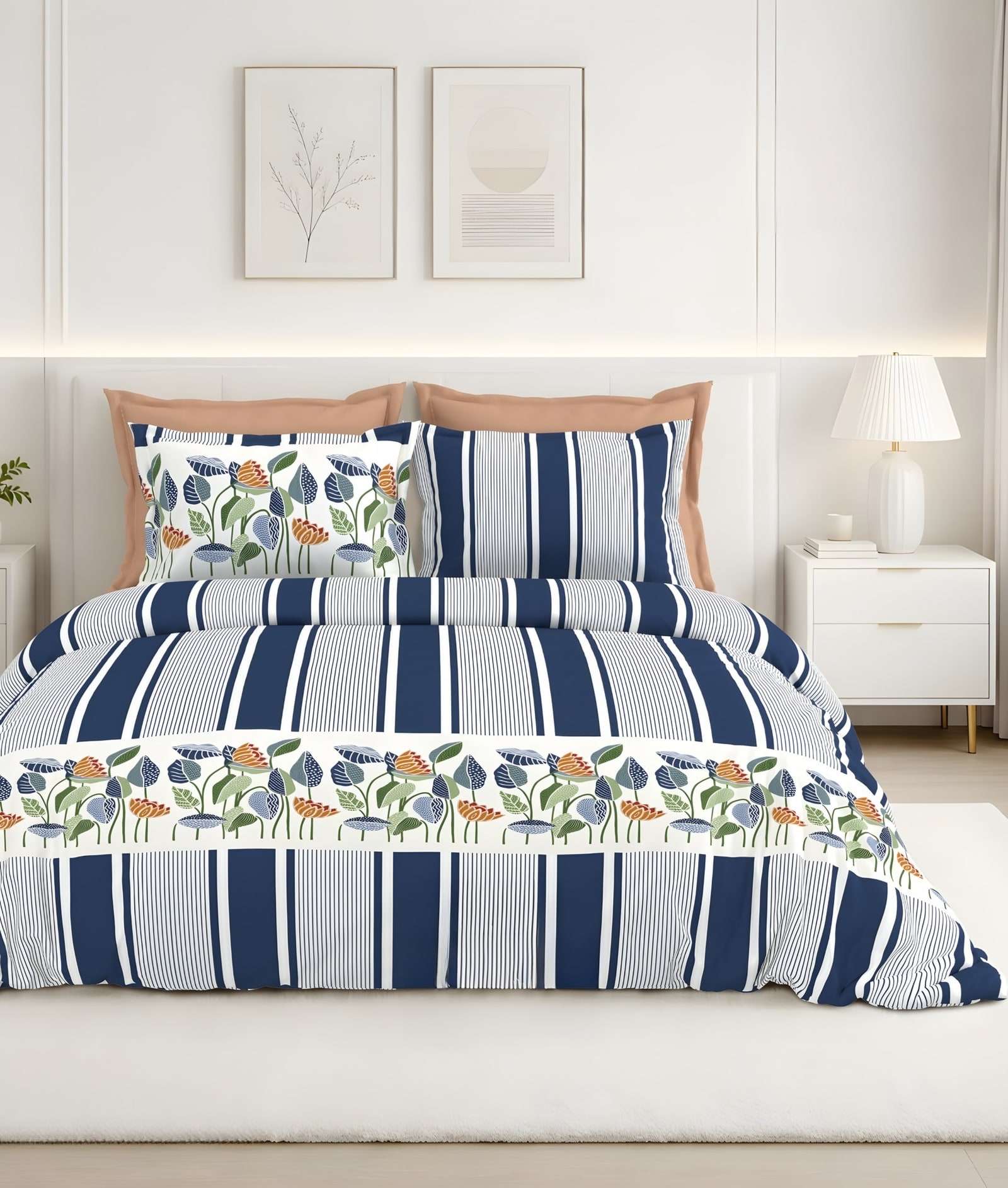
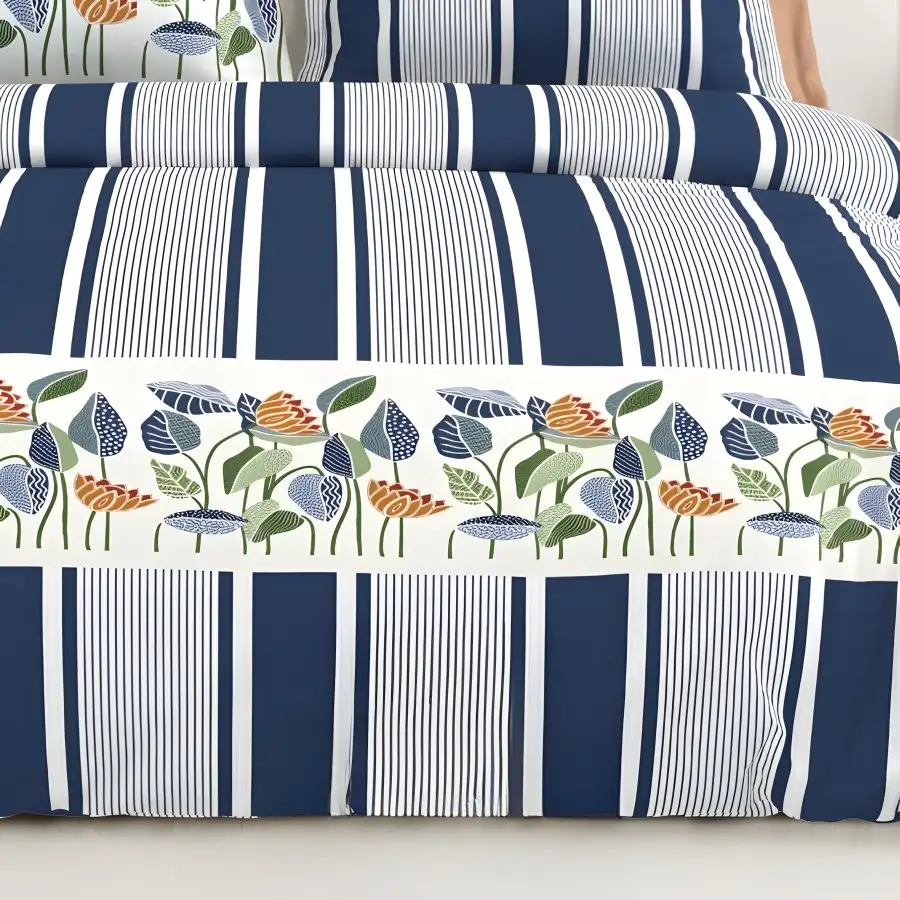
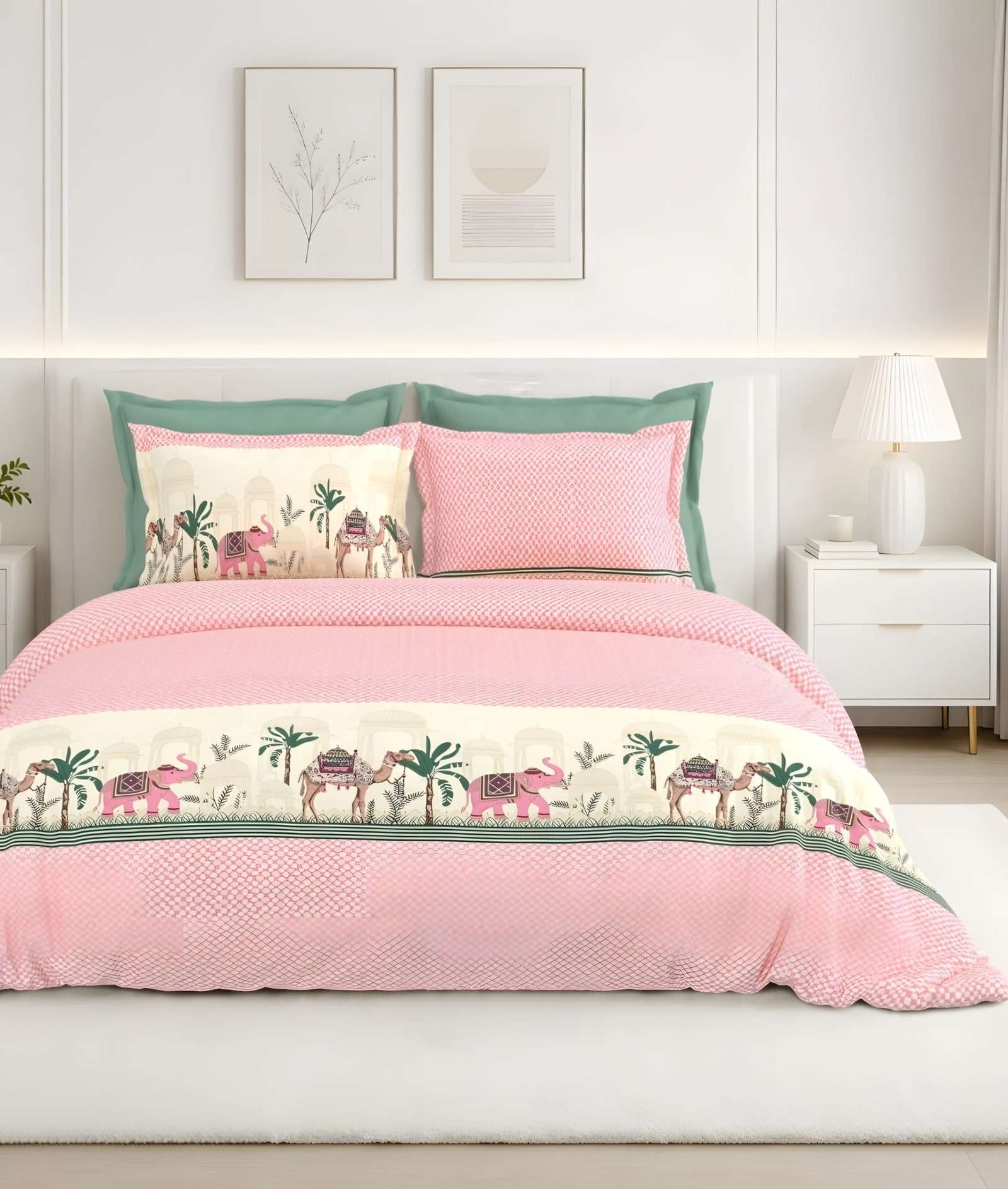
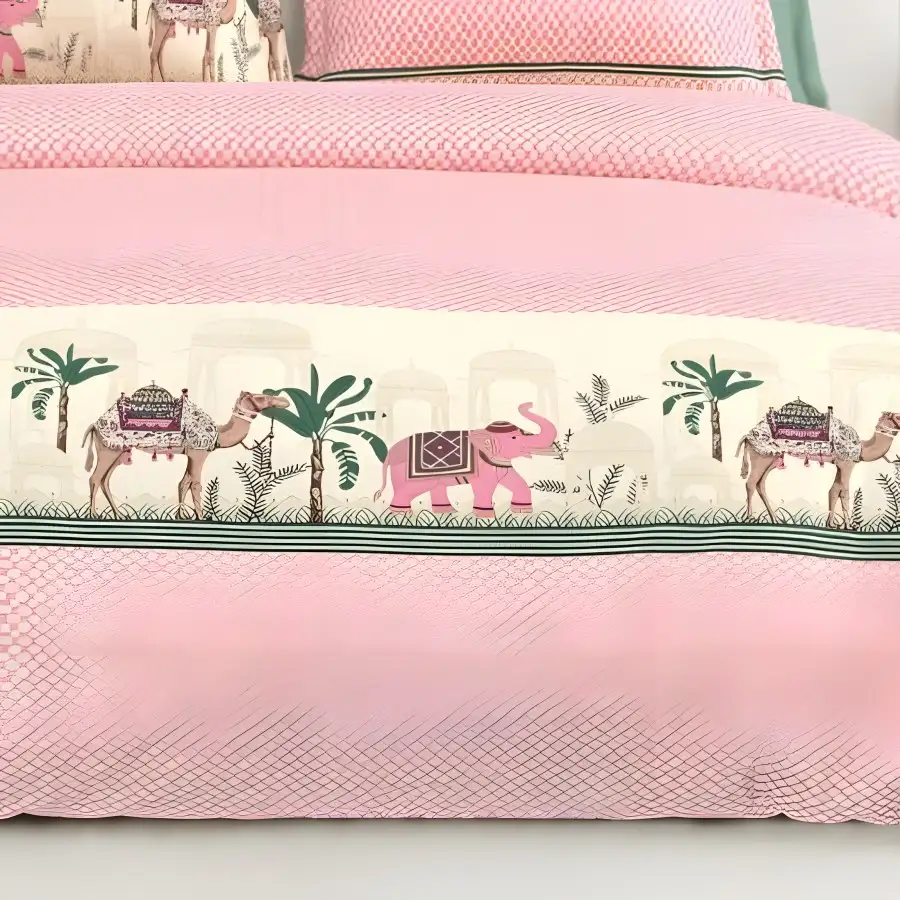
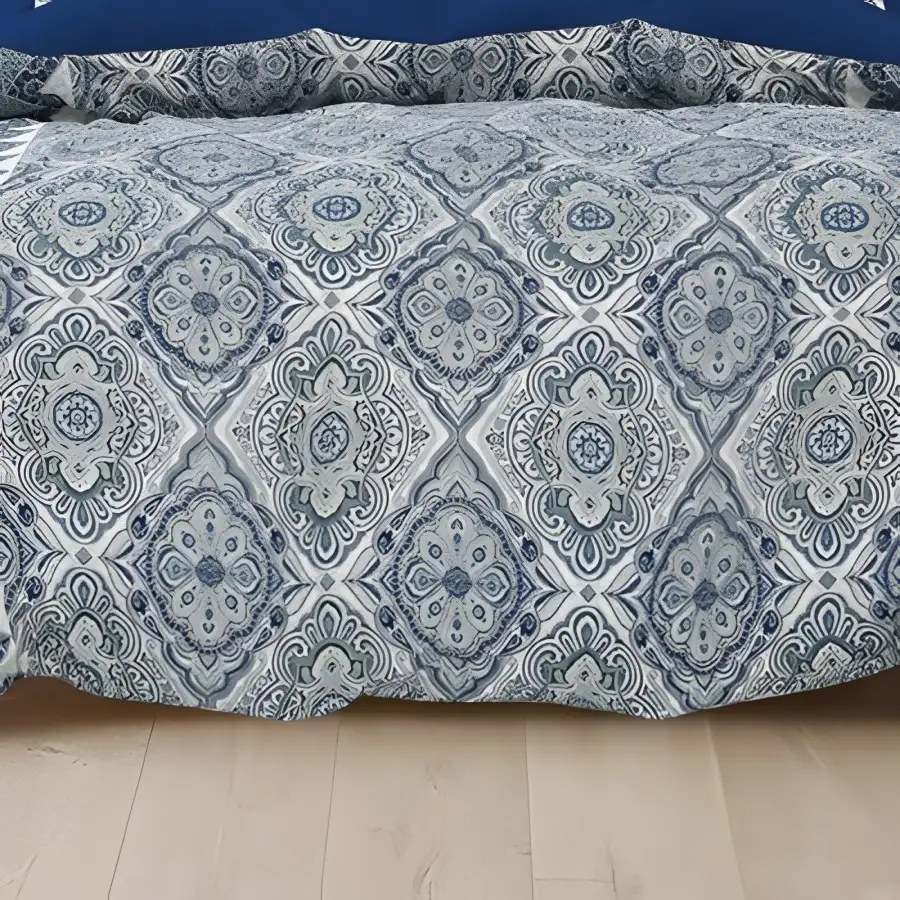
Jaipur, and the printing town of Sanganer beside it, has printed cotton for centuries, first with carved wooden blocks. In the 20th century its printers added screen printing, which keeps the same traditional motifs (butis, paisleys, florals, folk elephants and peacocks) but prints them faster and more evenly.
How it is done
- A screen for each colour. The design is split into its colours, and each colour gets its own screen: a fine mesh stretched on a frame, open only where that colour should print.
- Long printing tables. The cotton is stretched flat along tables that can be many metres long.
- One colour at a time. The printer lays the screen on the cloth and pulls a squeegee across it, pressing colour through the open mesh. The screen moves along the table, repeat by repeat, and then the next colour follows, lined up with the first.
- Curing and washing. The printed cloth is dried and cured so the colours fix into the cotton, then washed and finished.
Why it is loved
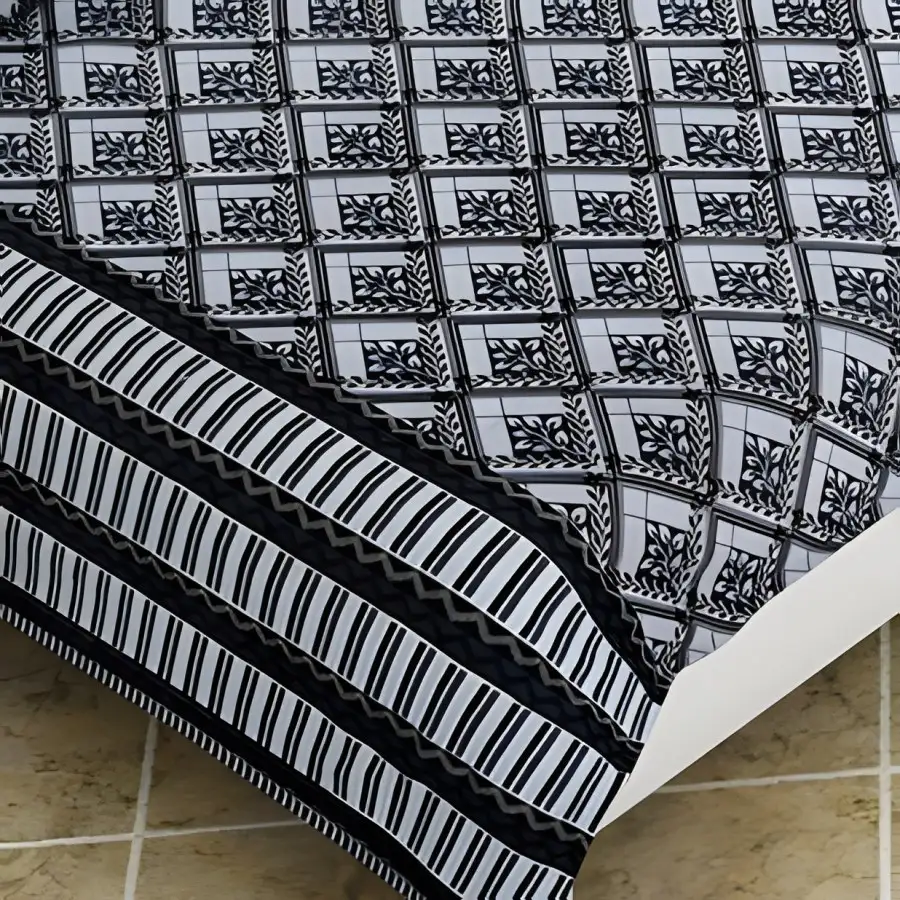
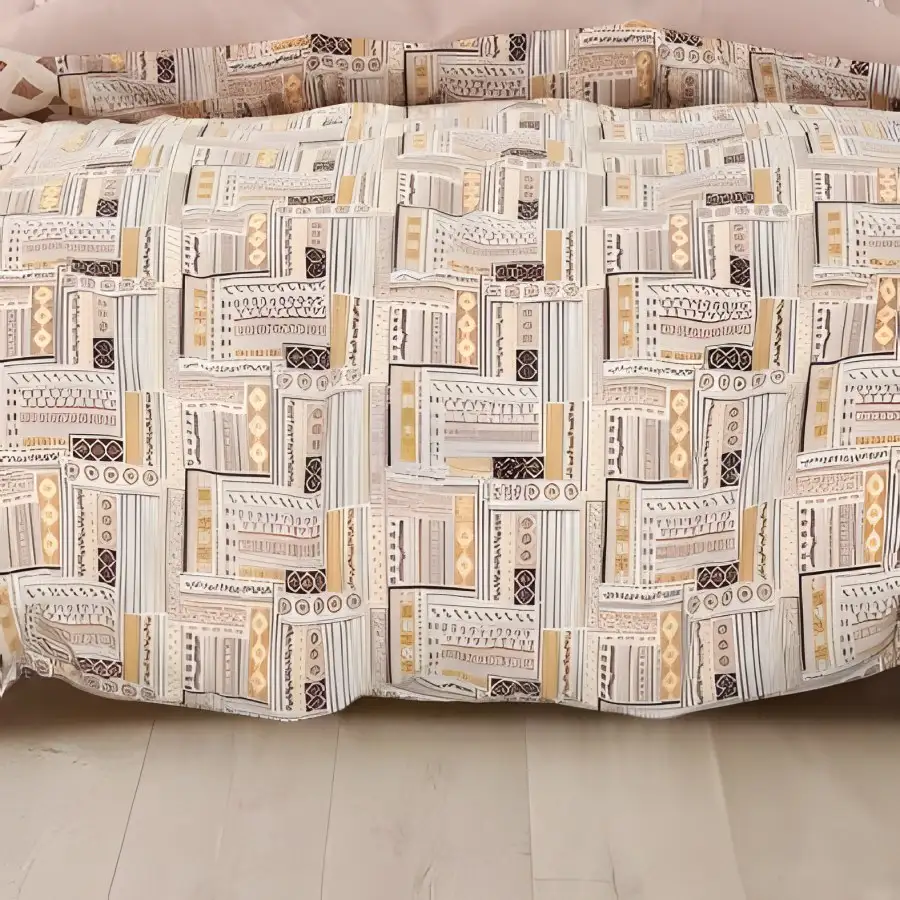
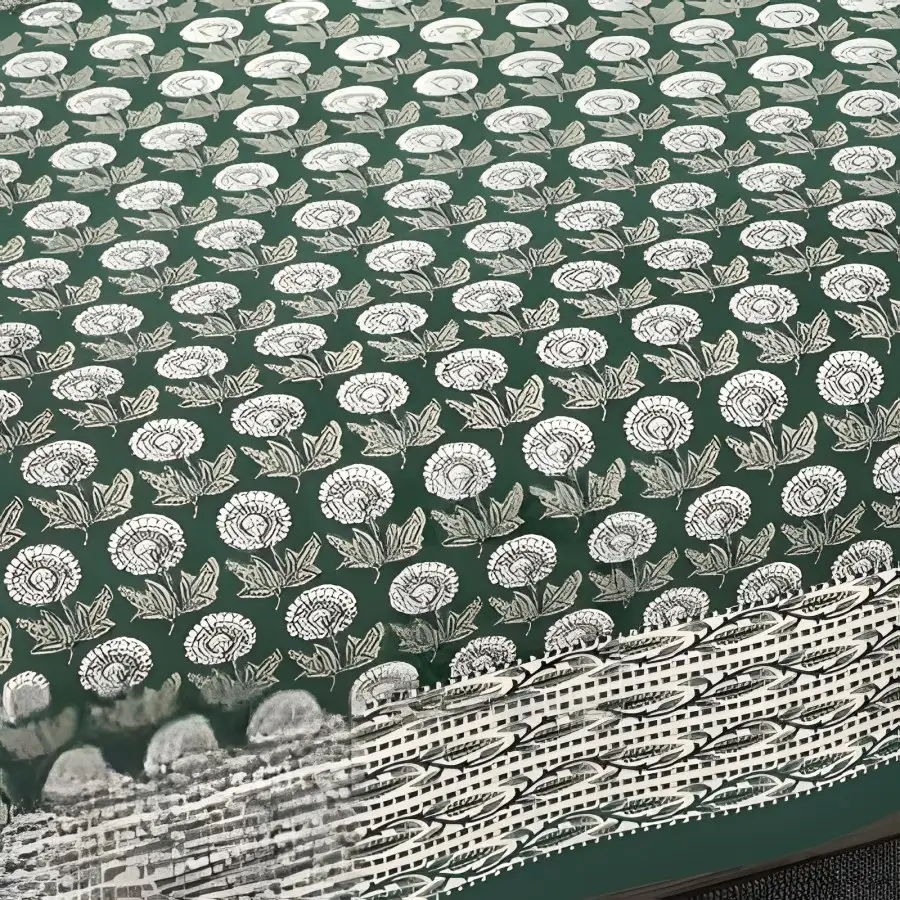
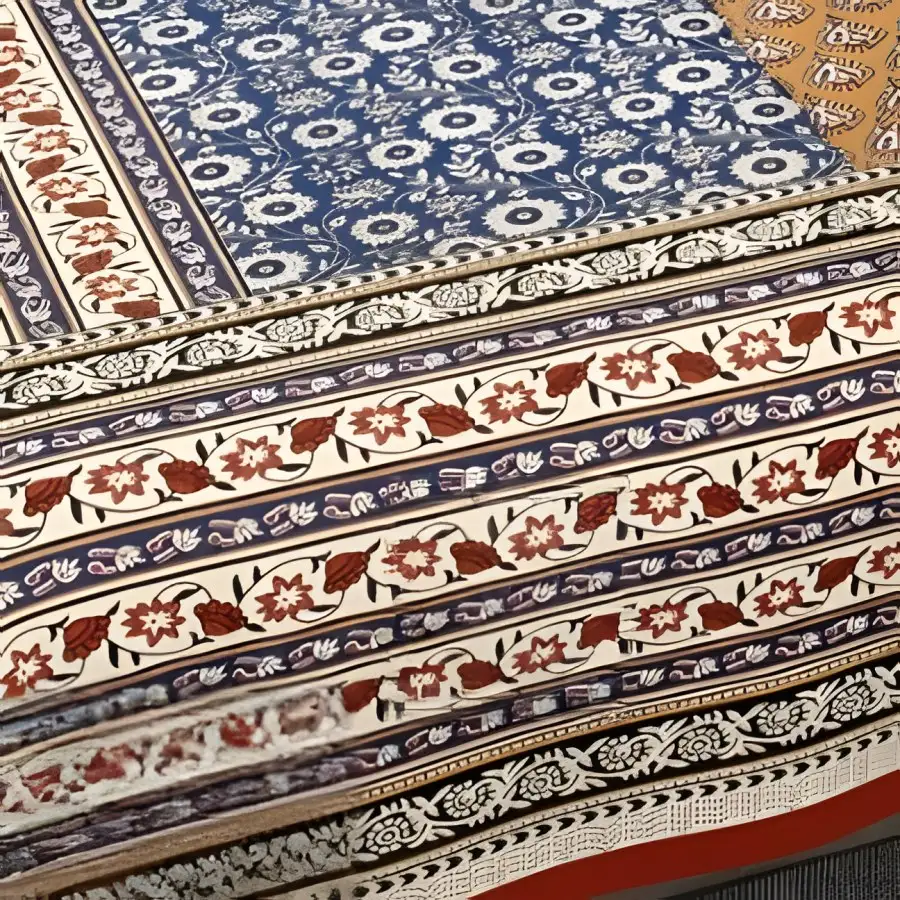
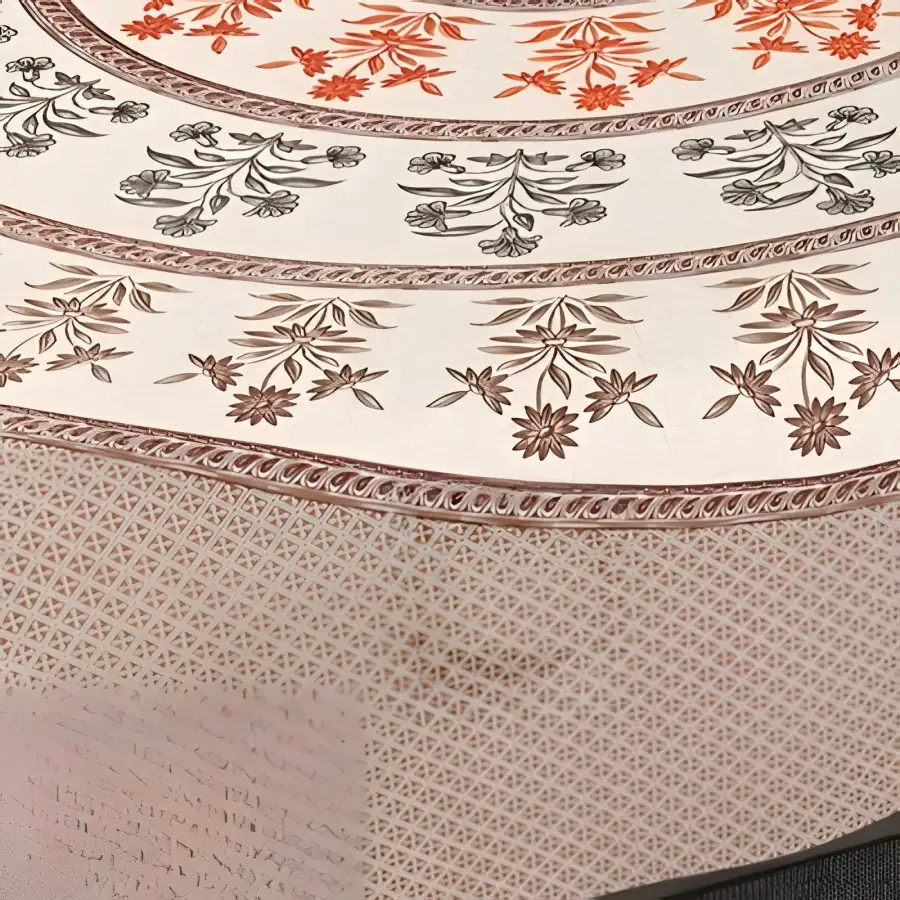
- Crisp lines and fine detail, even in large panel and border designs.
- Even colour from one end of the sheet to the other.
- Bright, fast colours that hold up to regular washing.
- Good value: beautiful Jaipuri designs at everyday prices.
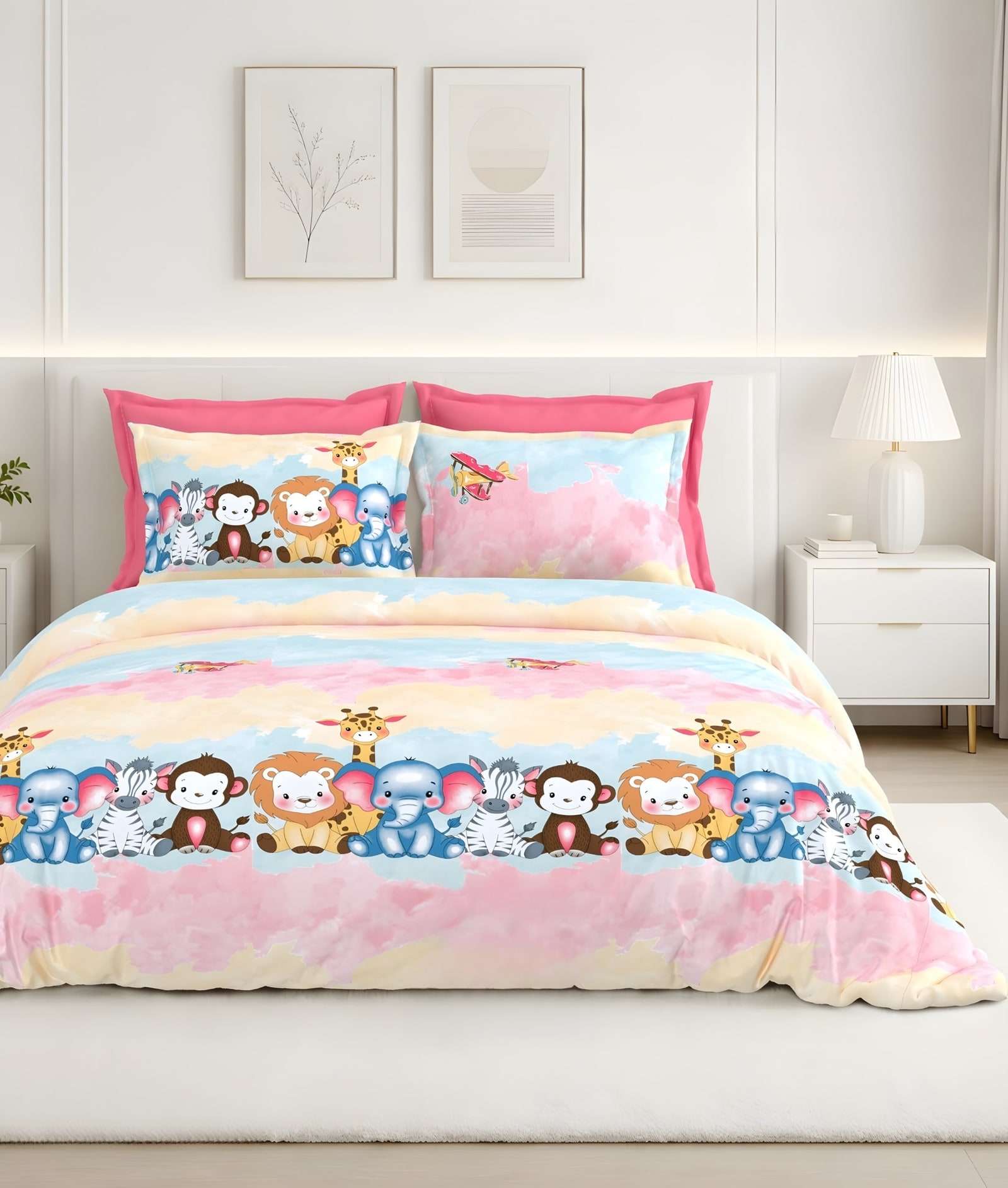
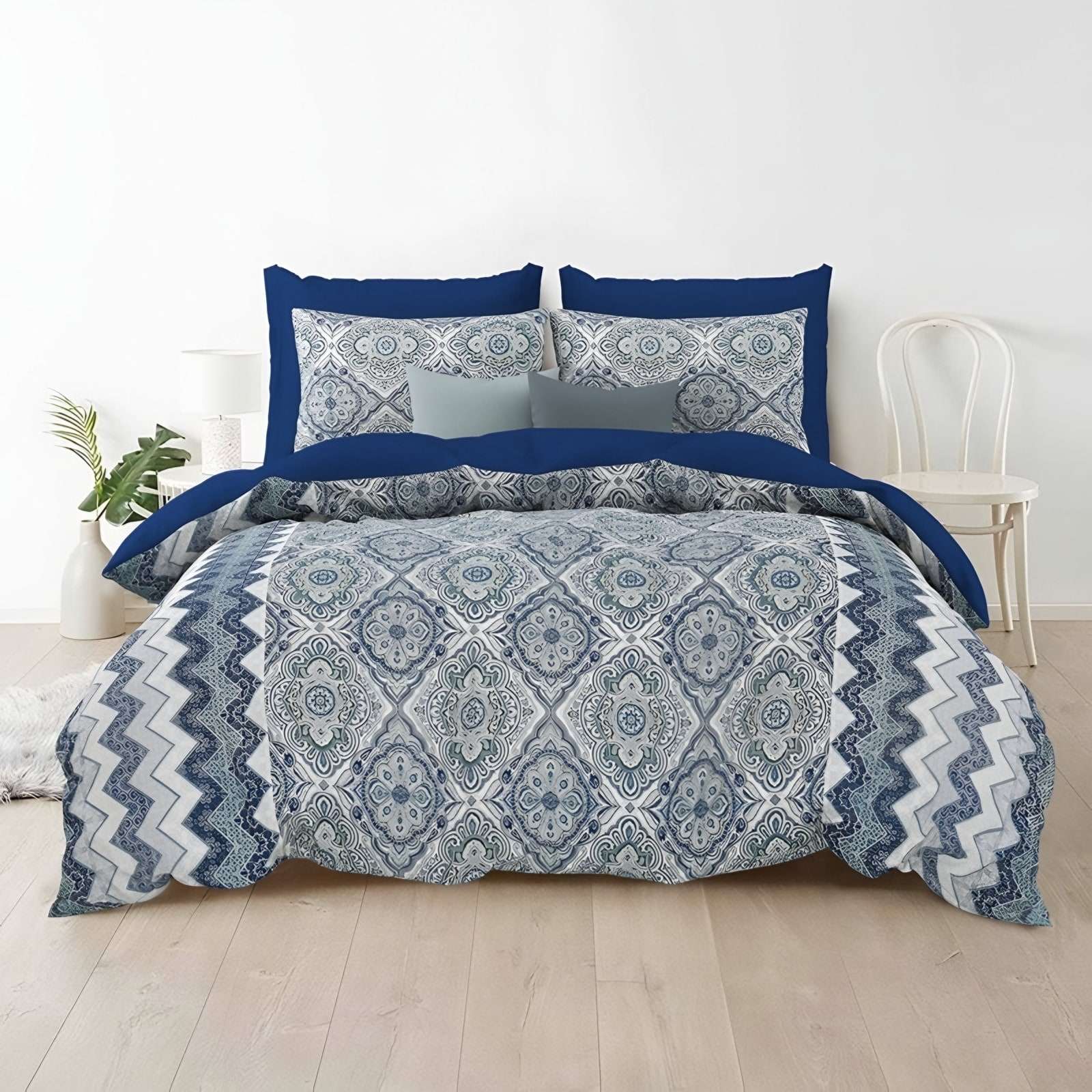
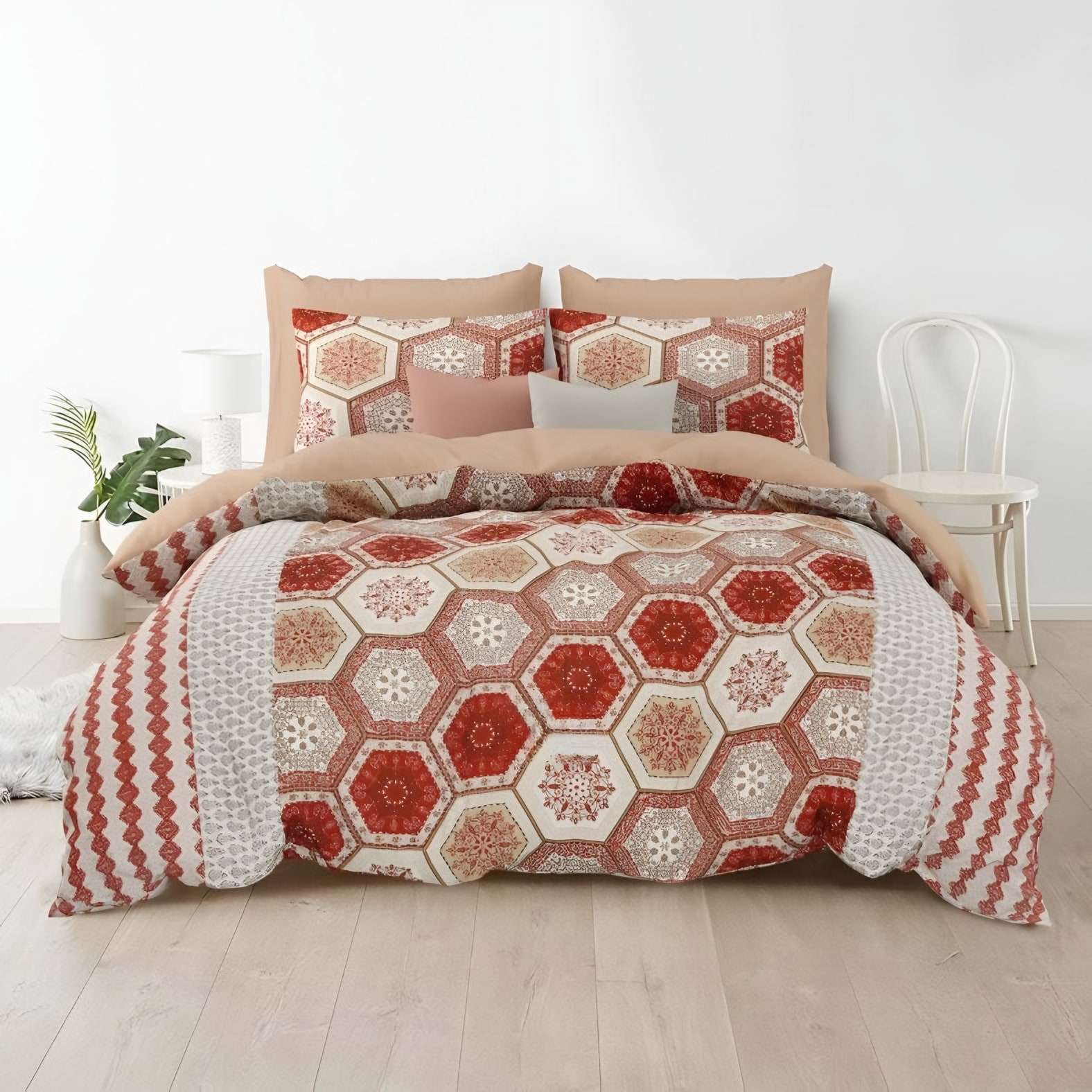
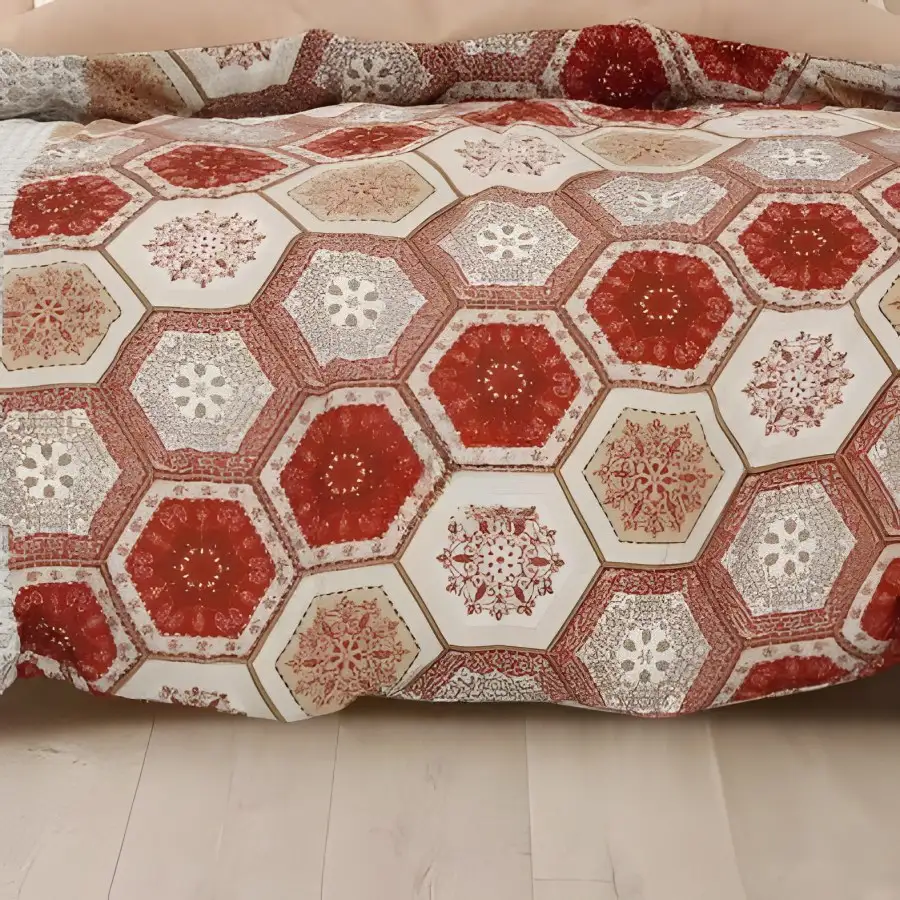
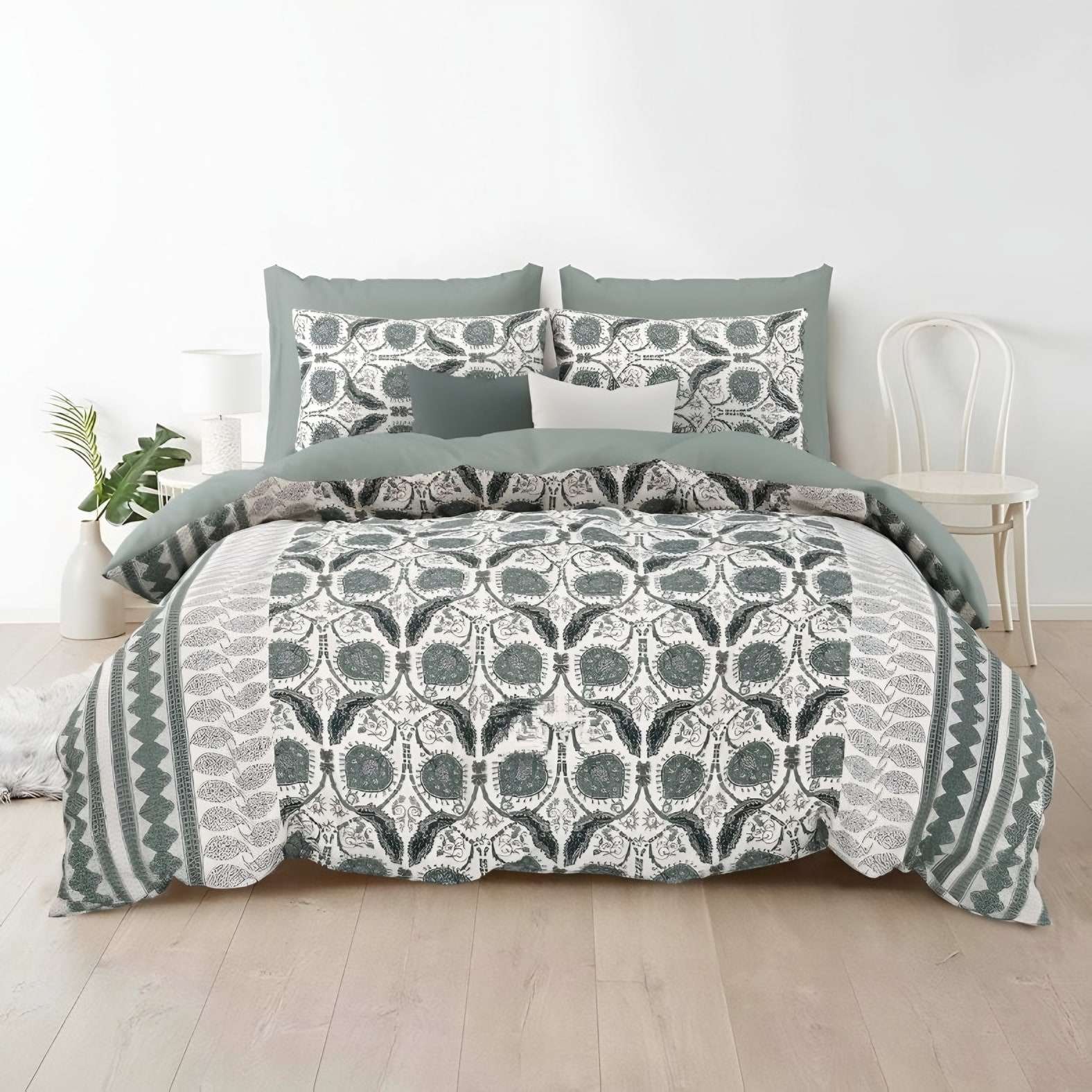
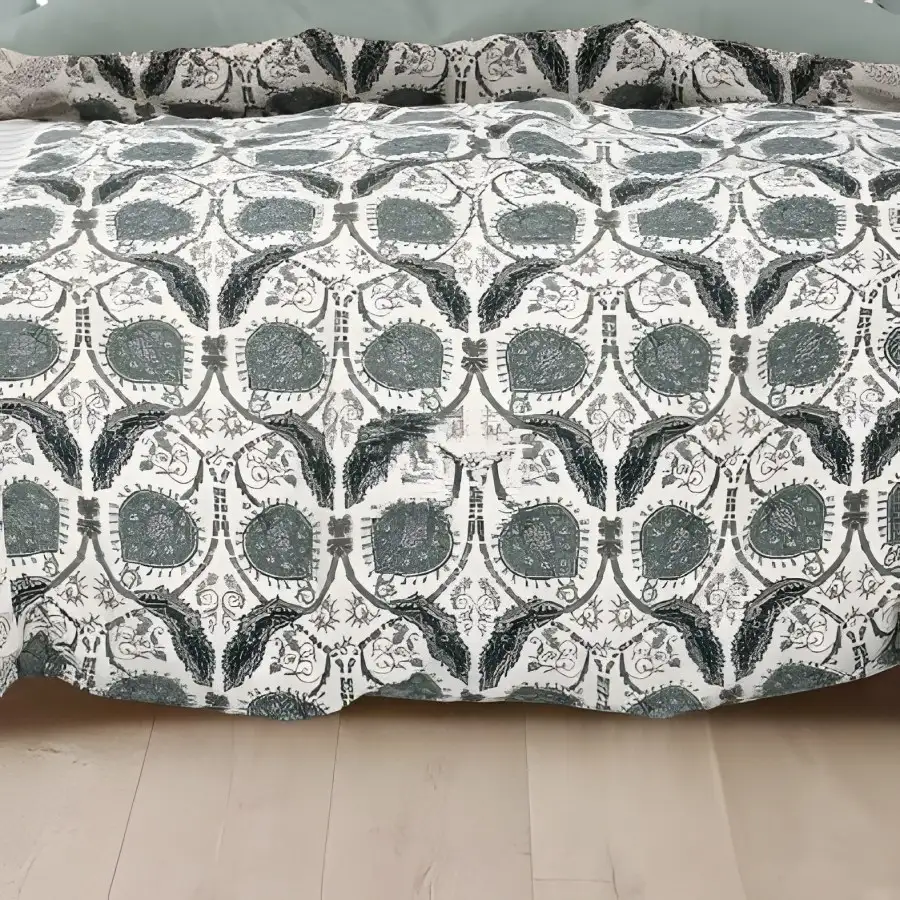
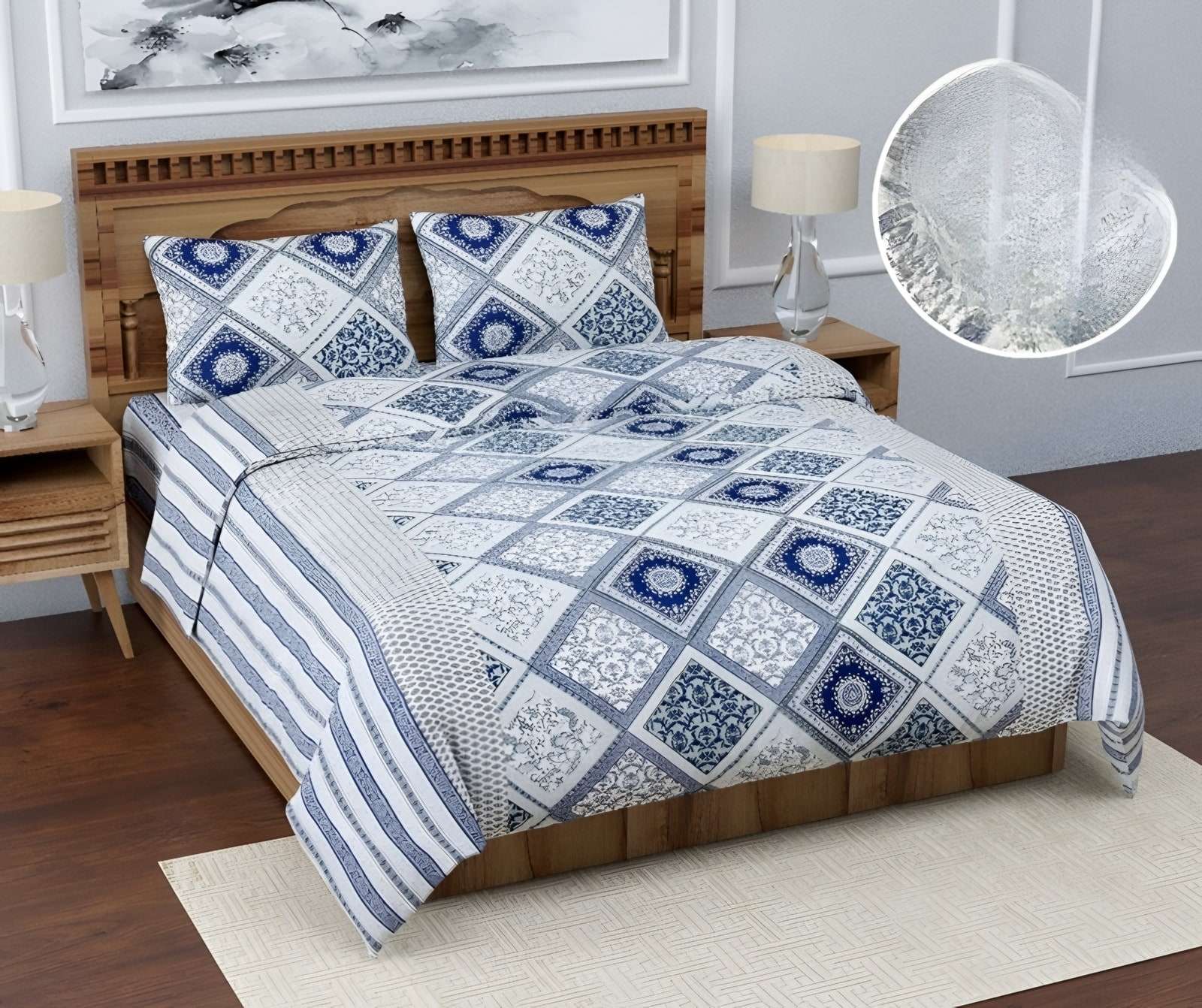
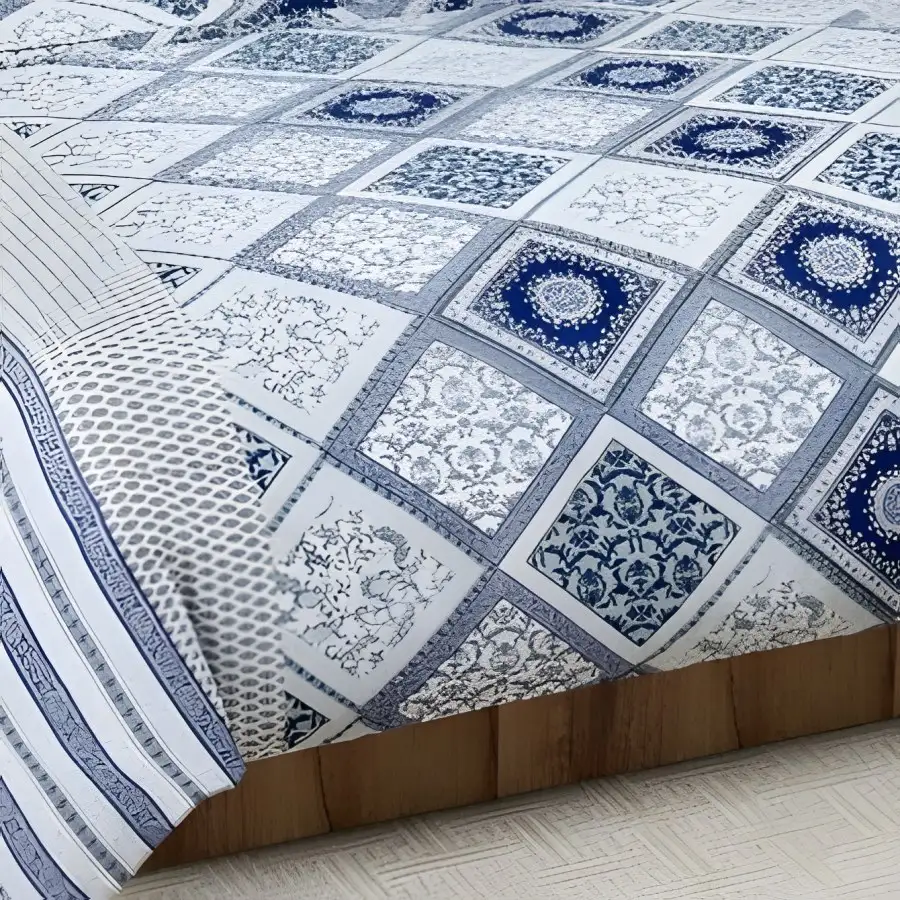
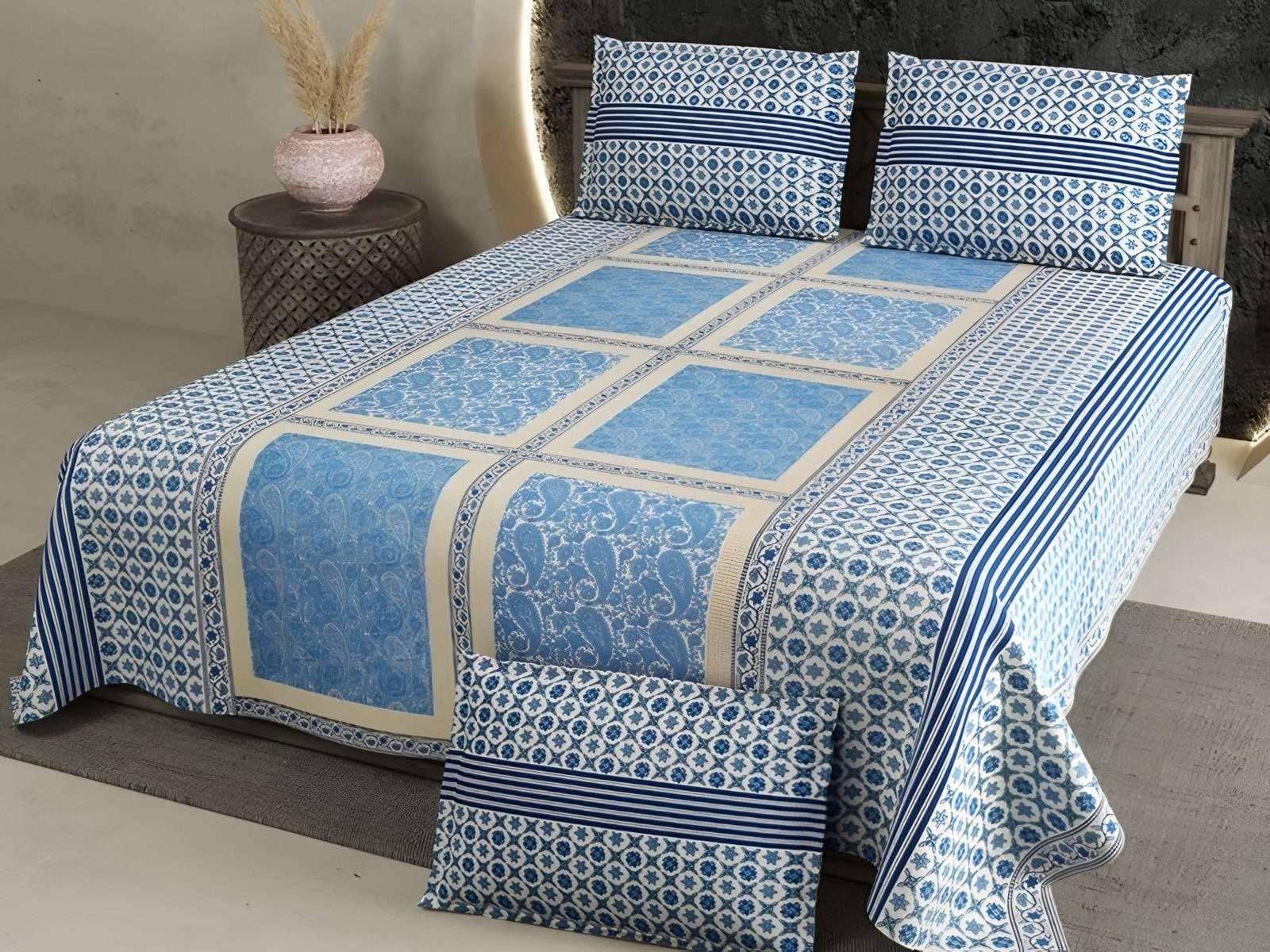
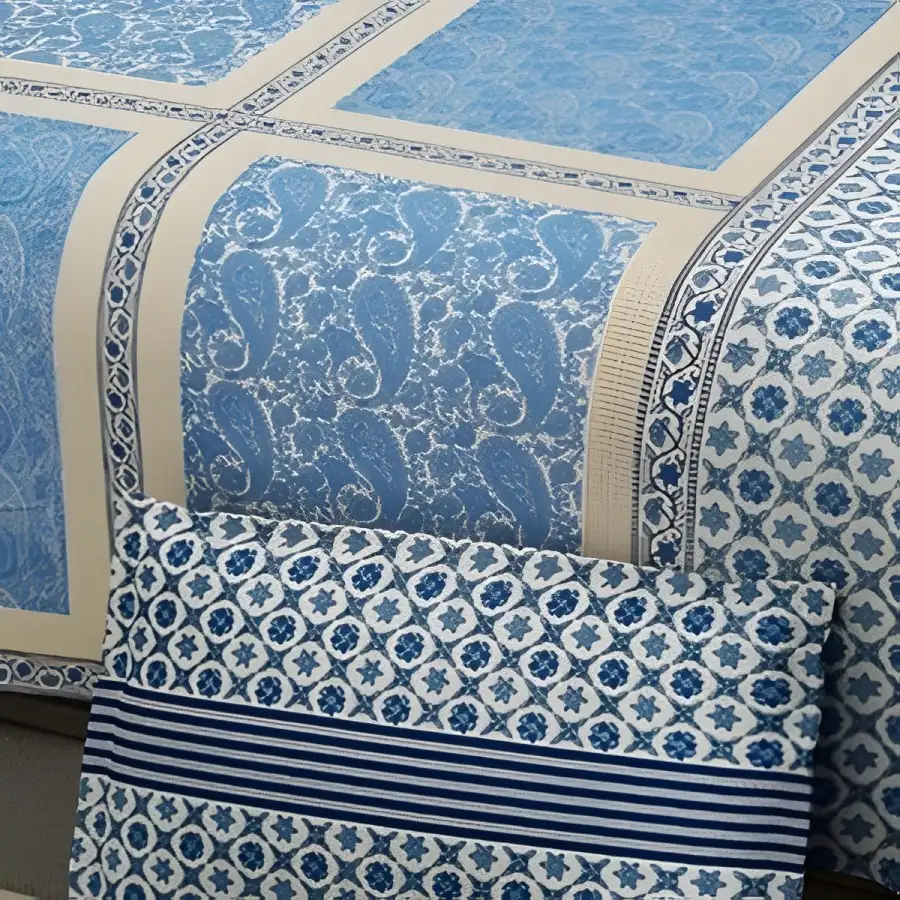
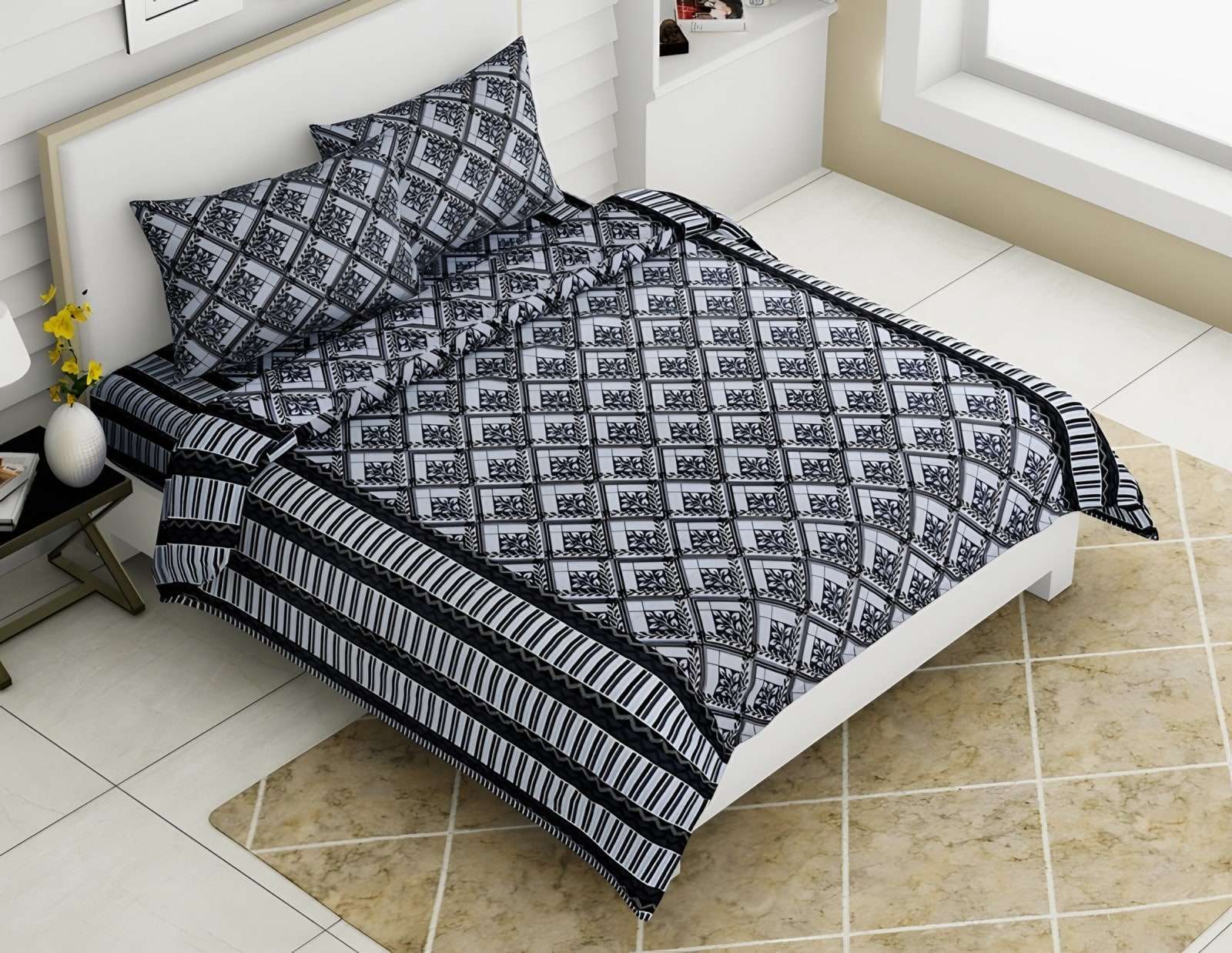
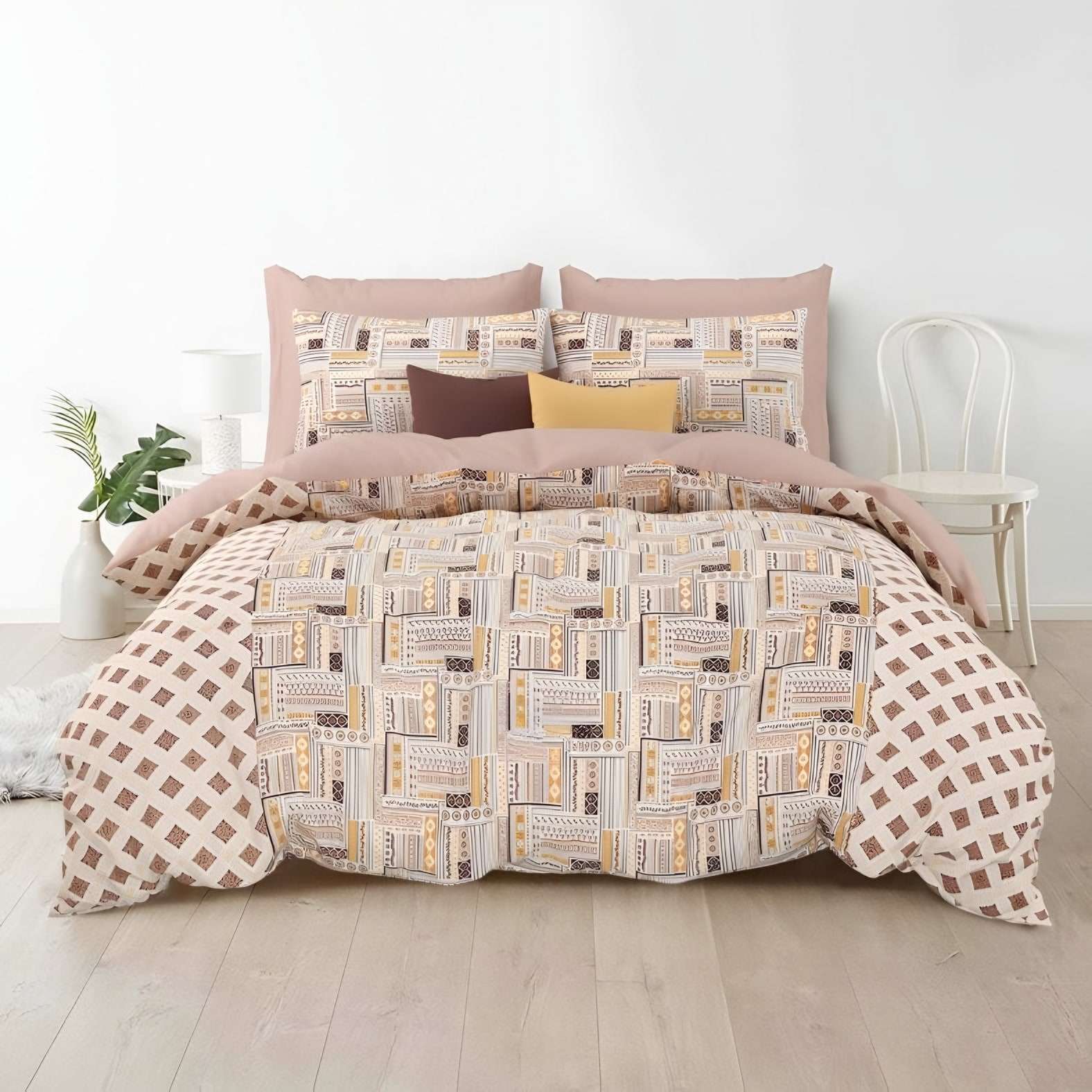
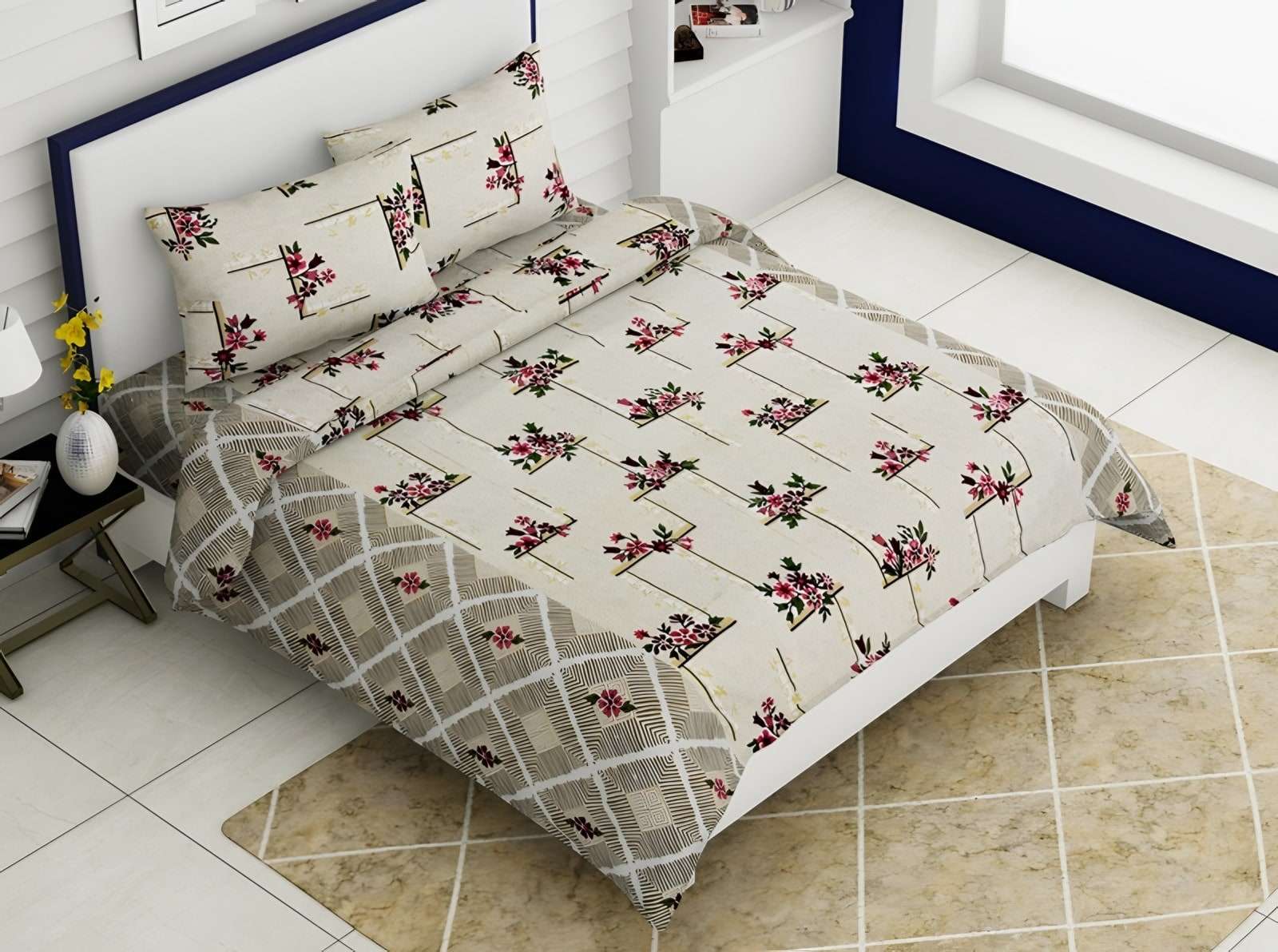
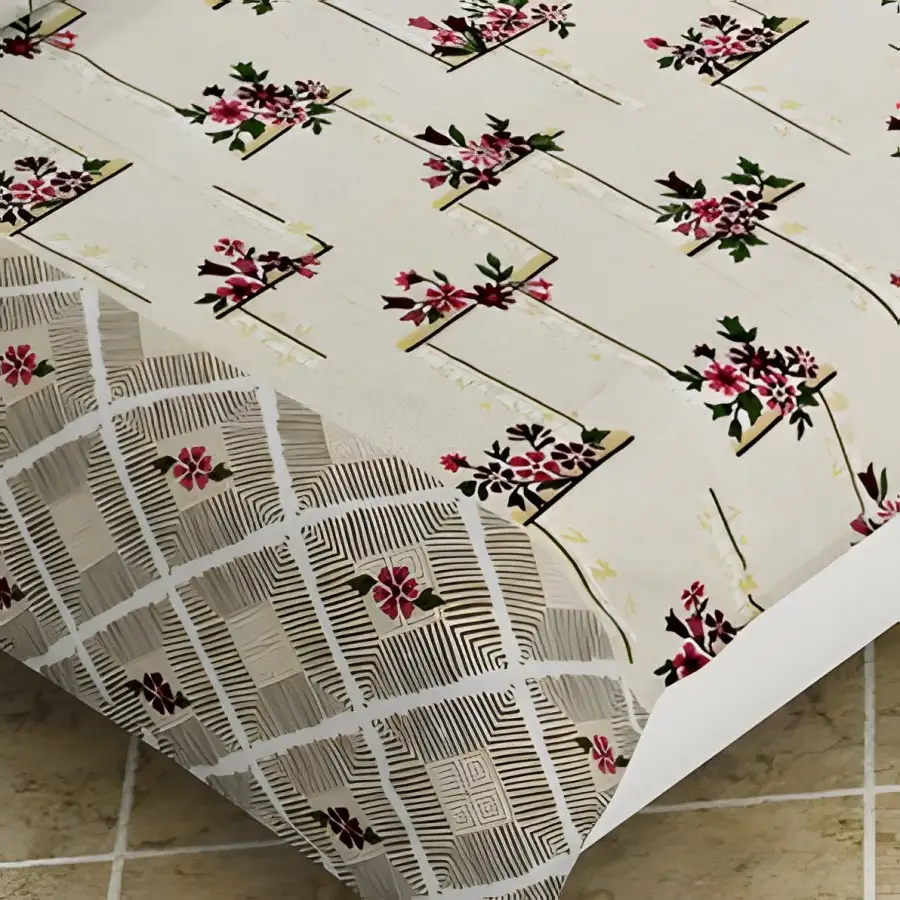
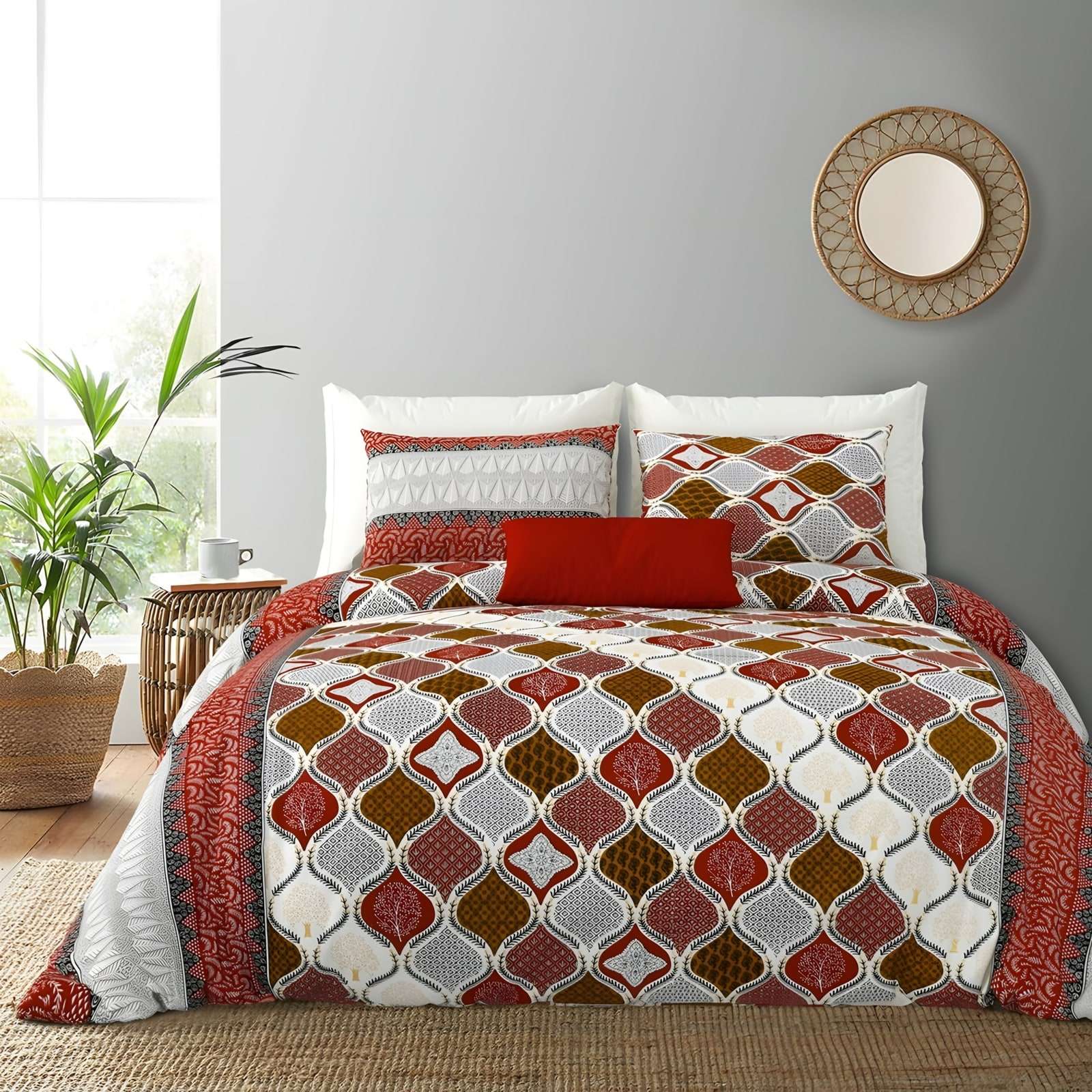
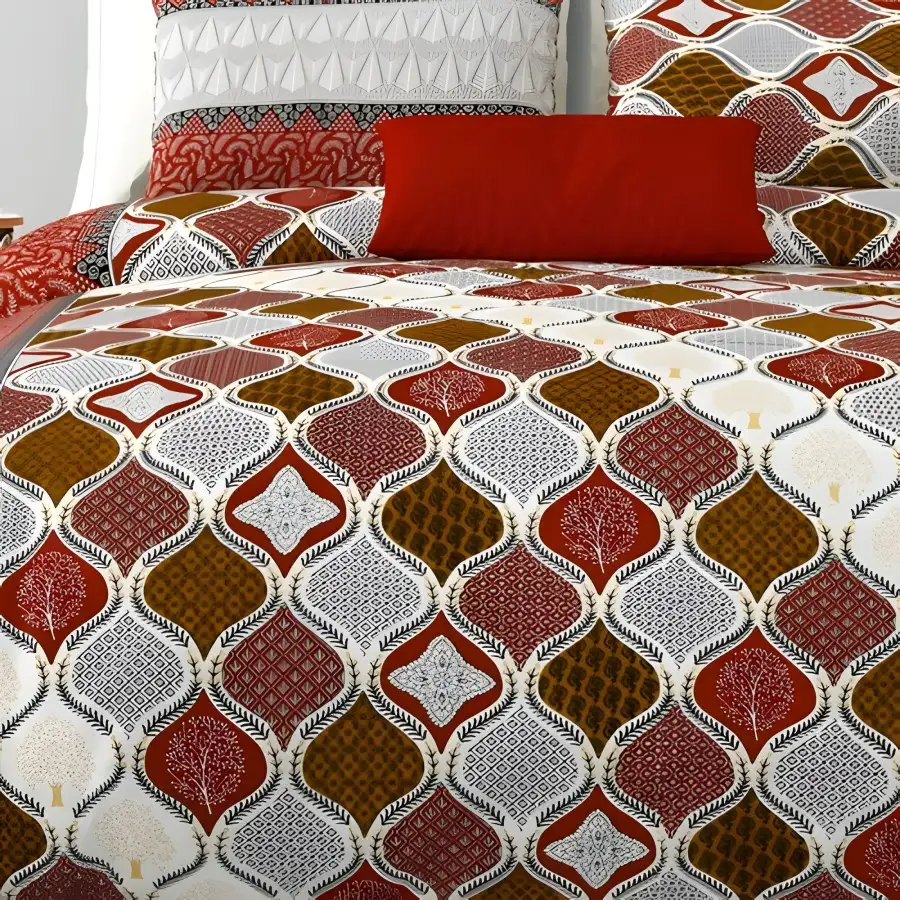
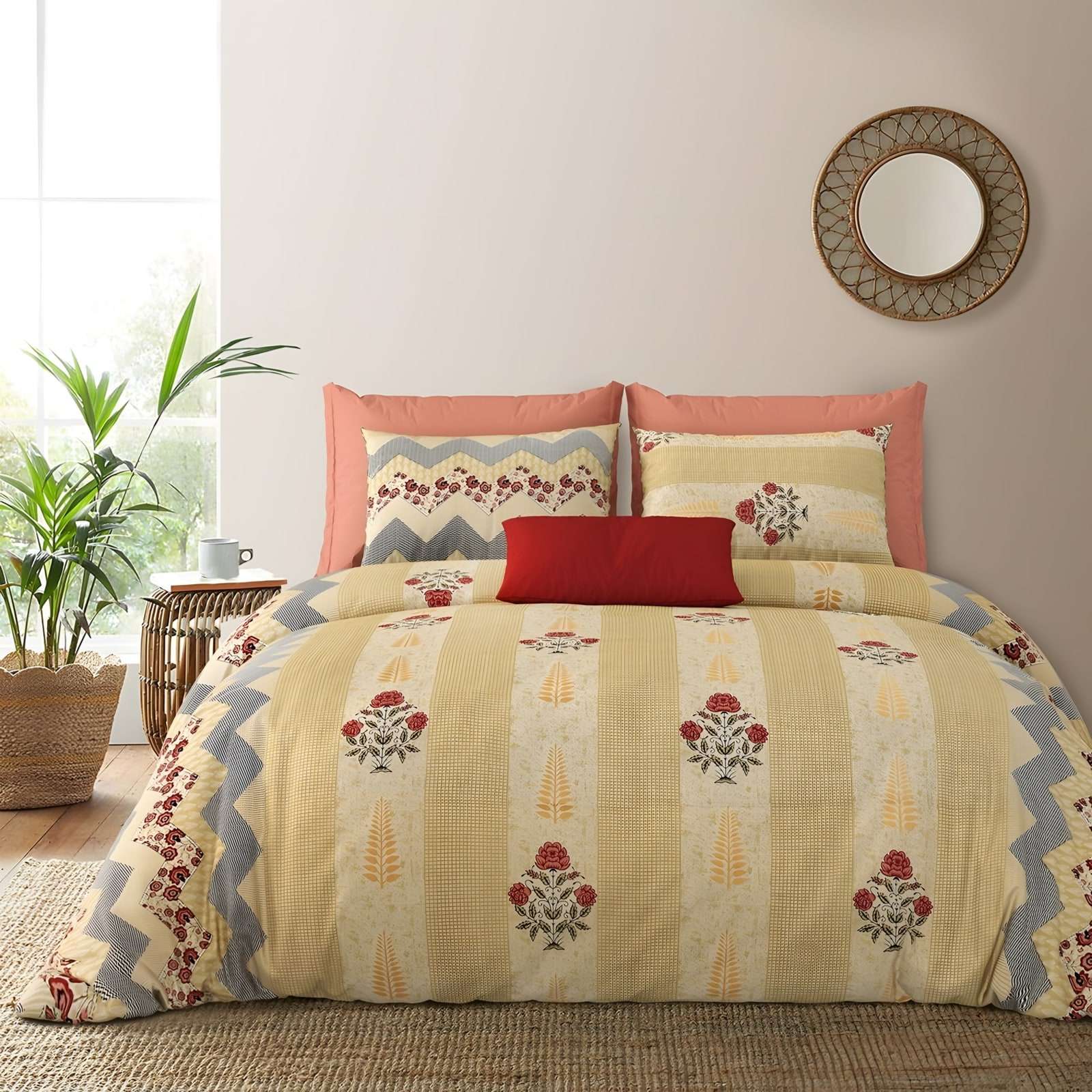
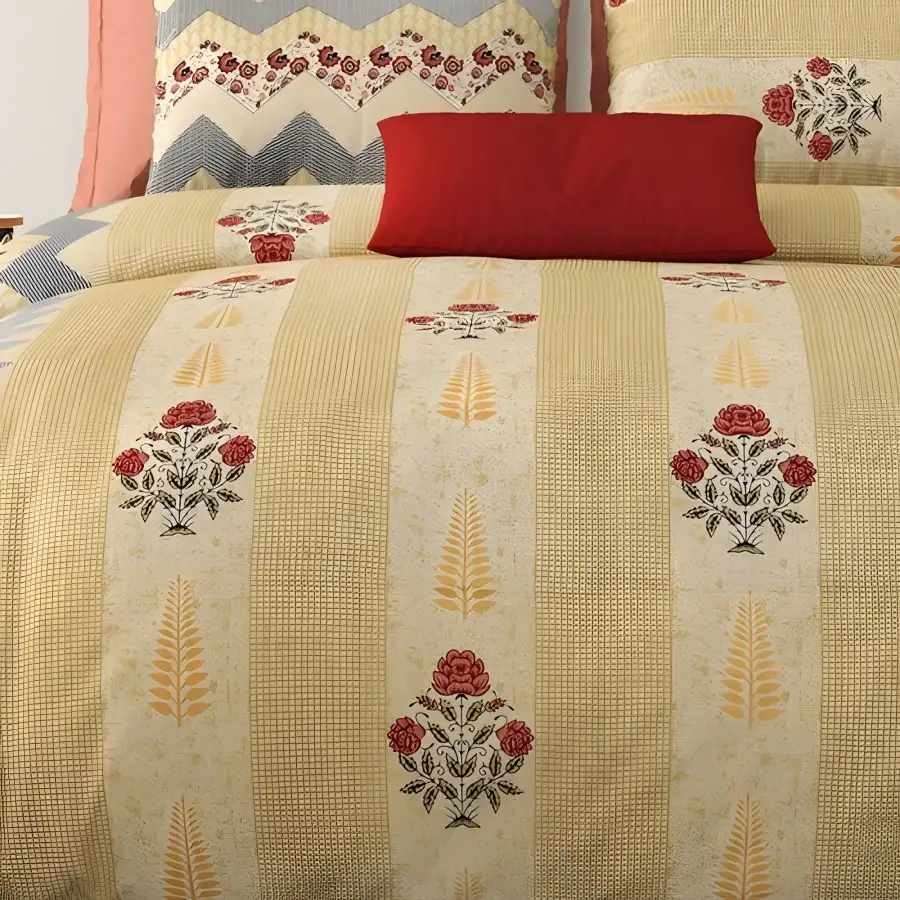
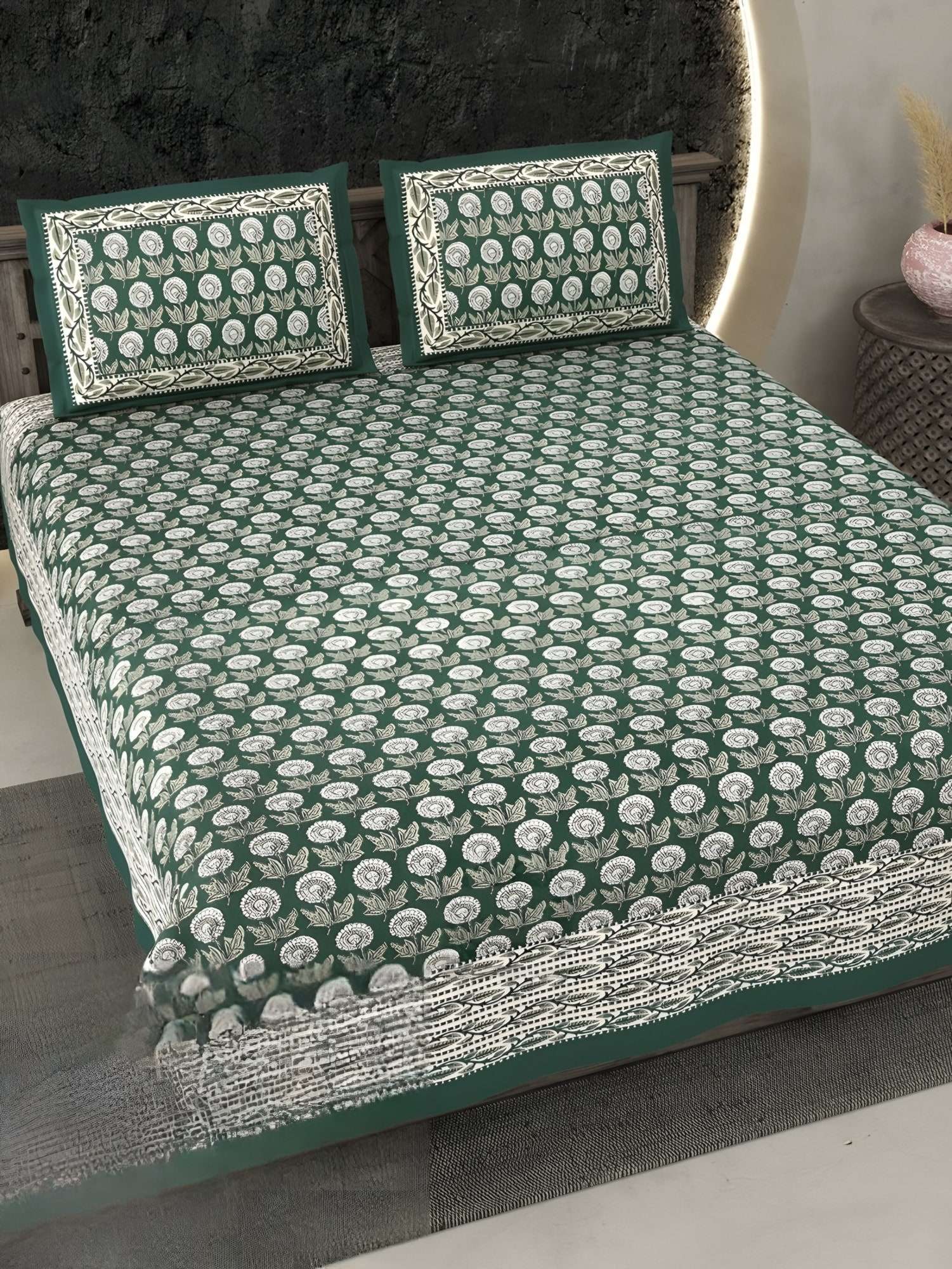
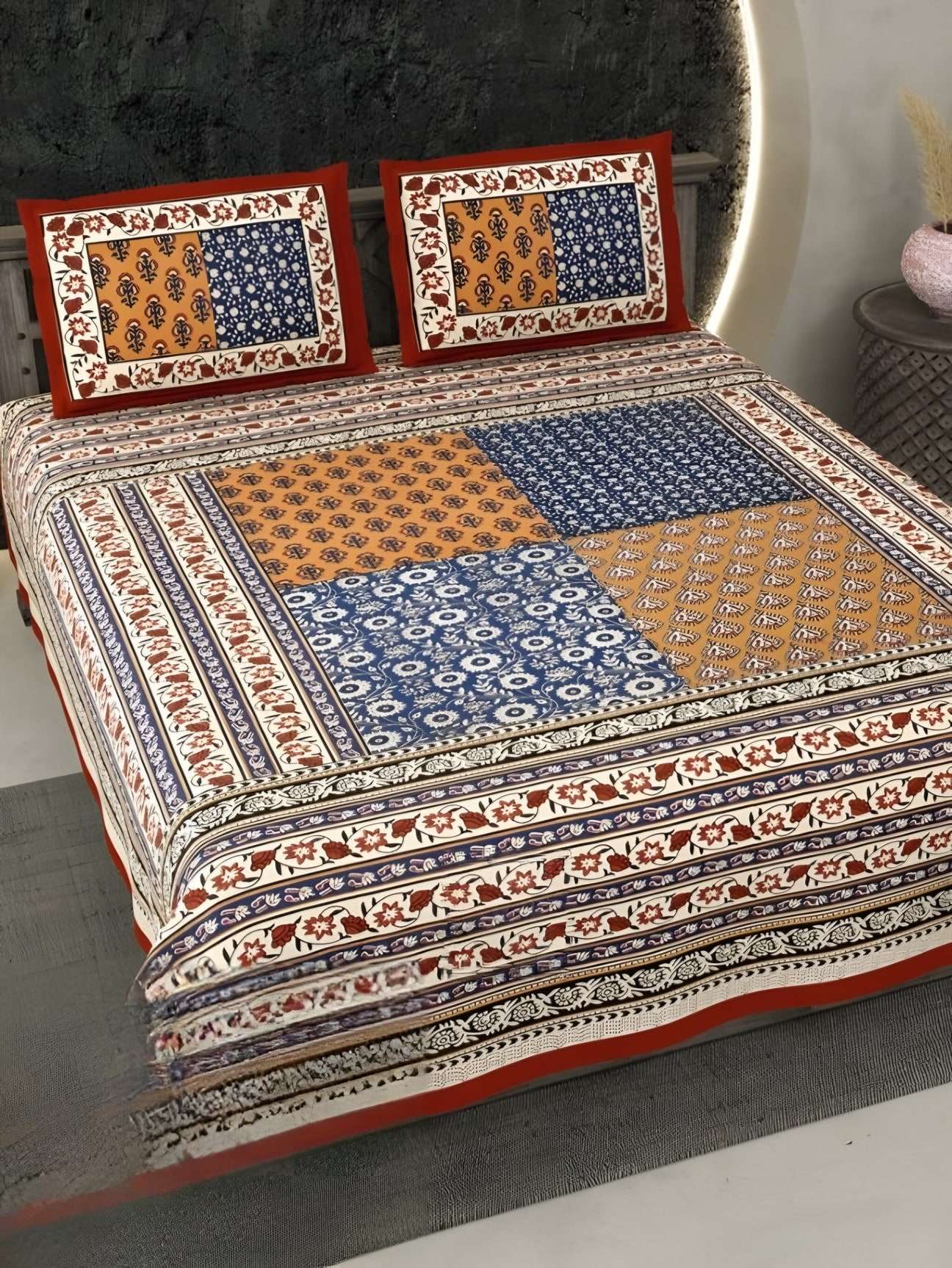
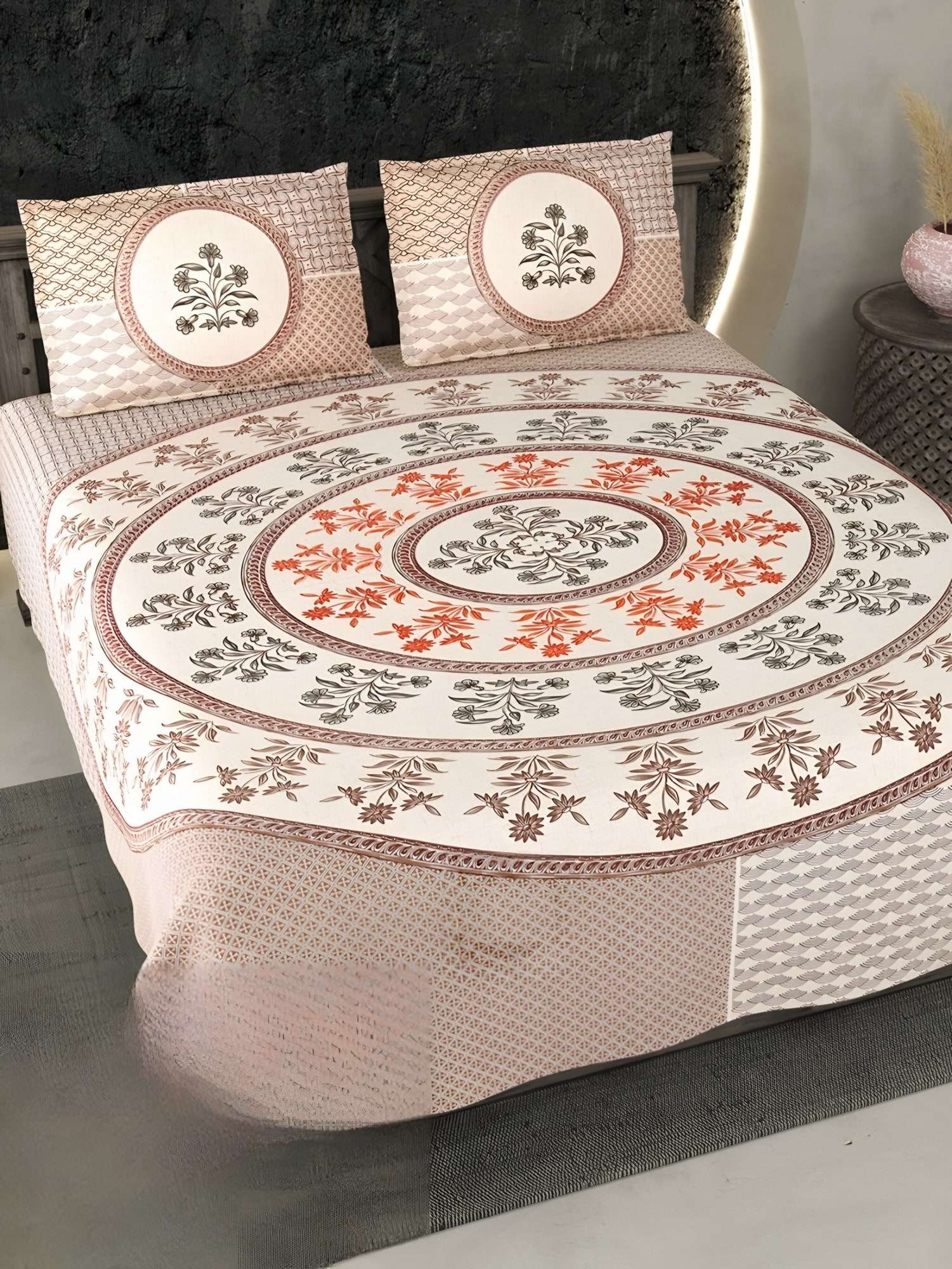
Our Barmeri, Gujri Patch, Kashida, Calcium, Gold Print, Rozee and Ecuador sets are Jaipuri screen prints on 100% cotton.